Apophis: a close visitor in 2029
Once a source of concern, this asteroid is now a rare opportunity for close study. How will Earth’s gravity reshape its motion?
A several-hundred-meter asteroid passing Earth sounds dramatic, but the key phrase for Apophis in 2029 is safe close approach. Passing about 32,000 km above the surface, it offers a rare chance to study gravity’s effects on a small body.
Why was it worrying at first?
After discovery in 2004, limited observations left a wide range of possible orbits, some intersecting Earth. More observations, especially radar, narrowed the uncertainty. NASA has ruled out impacts for at least the next hundred years. The asteroid did not change its mind; our knowledge improved.
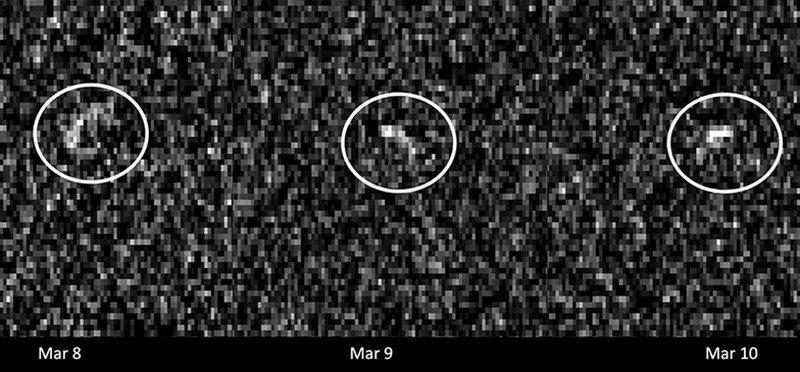
Will Earth knead the asteroid?
Gravity differs slightly between the near and far sides, producing tides. Earth will alter the trajectory and may disturb rotation or loose surface material. Landslides or other changes are possibilities to test, not events already observed.
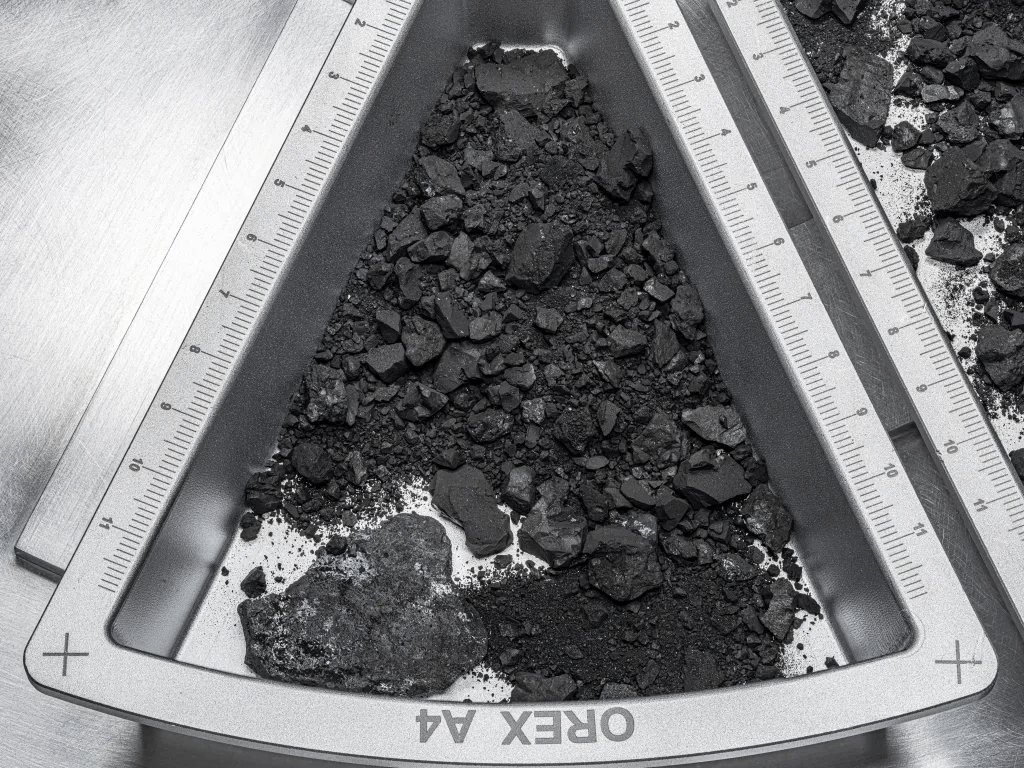
A sampling veteran continues
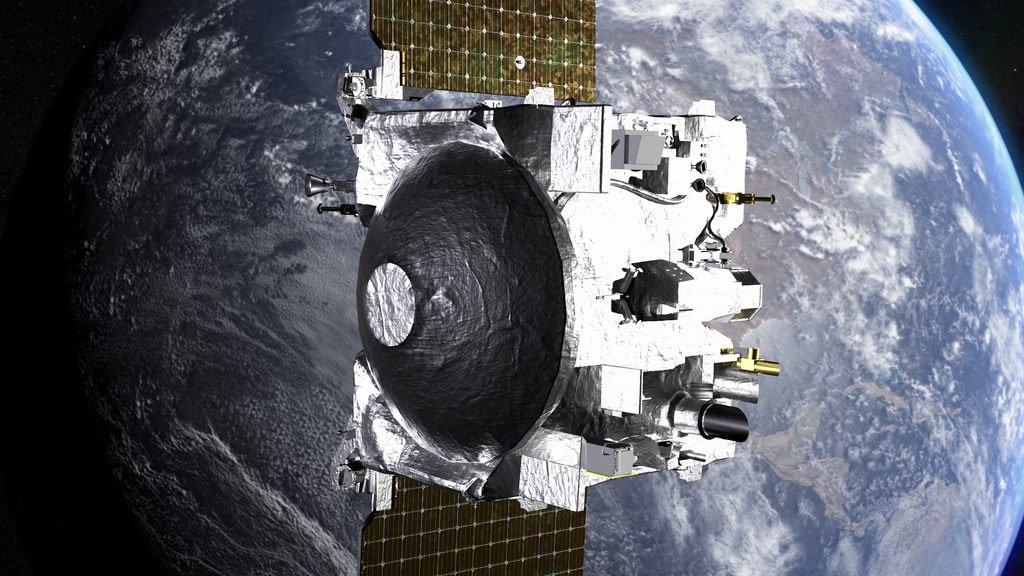
After returning Bennu material, OSIRIS-REx became OSIRIS-APEX. It aims to study Apophis after the encounter, examining shape, spin, and surface response. The extension focuses on observations, not another sample return.
Will everyone see it?
Visibility depends on location, time, weather, and light pollution. Possible naked-eye visibility does not mean simultaneous worldwide visibility. The encounter can turn a once-worrying name into a real world with a structure and history.