Space Encyclopedia
International Space Station (ISS)
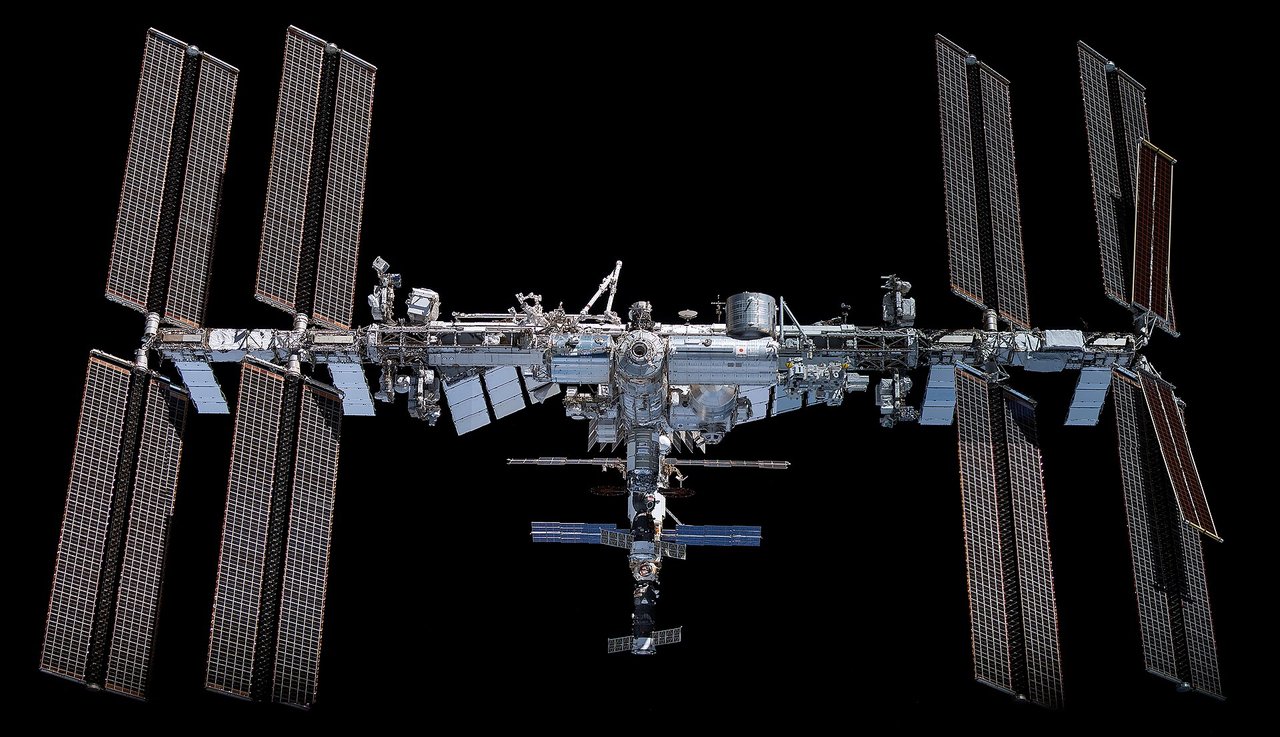
Imagine a laboratory the size of a football field circling Earth every 90 minutes. Astronauts live and experiment here, experiencing about 16 sunrises a day.
Getting started with satellite observing
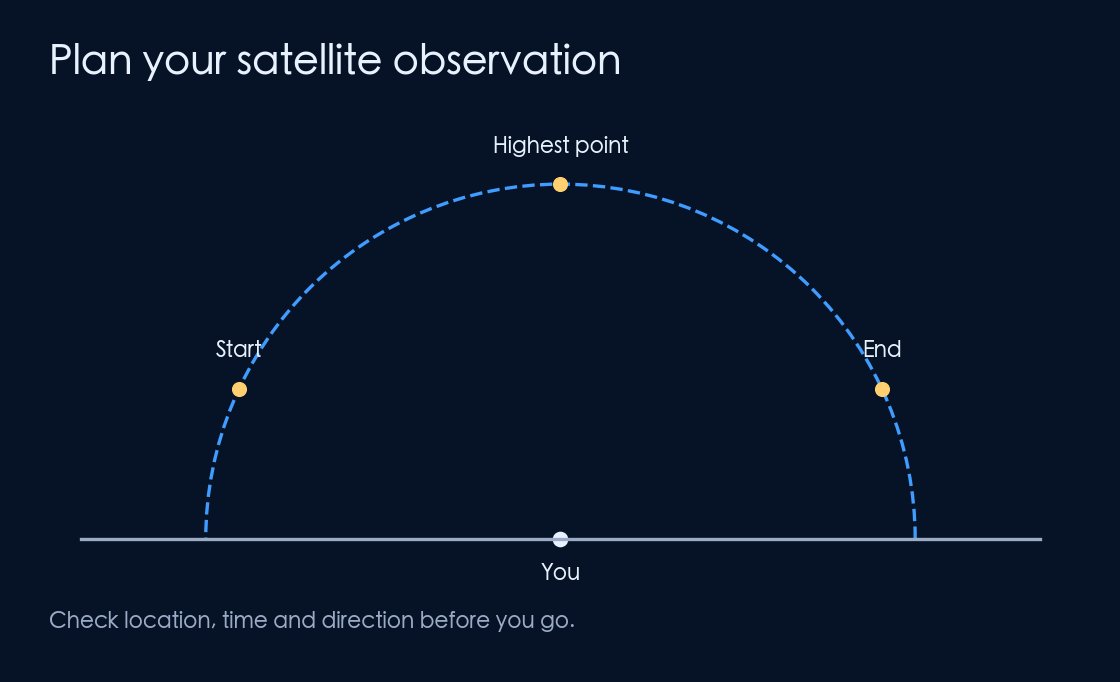
Choose a location, find a pass, and plan where to look.
China Space Station (Tiangong)
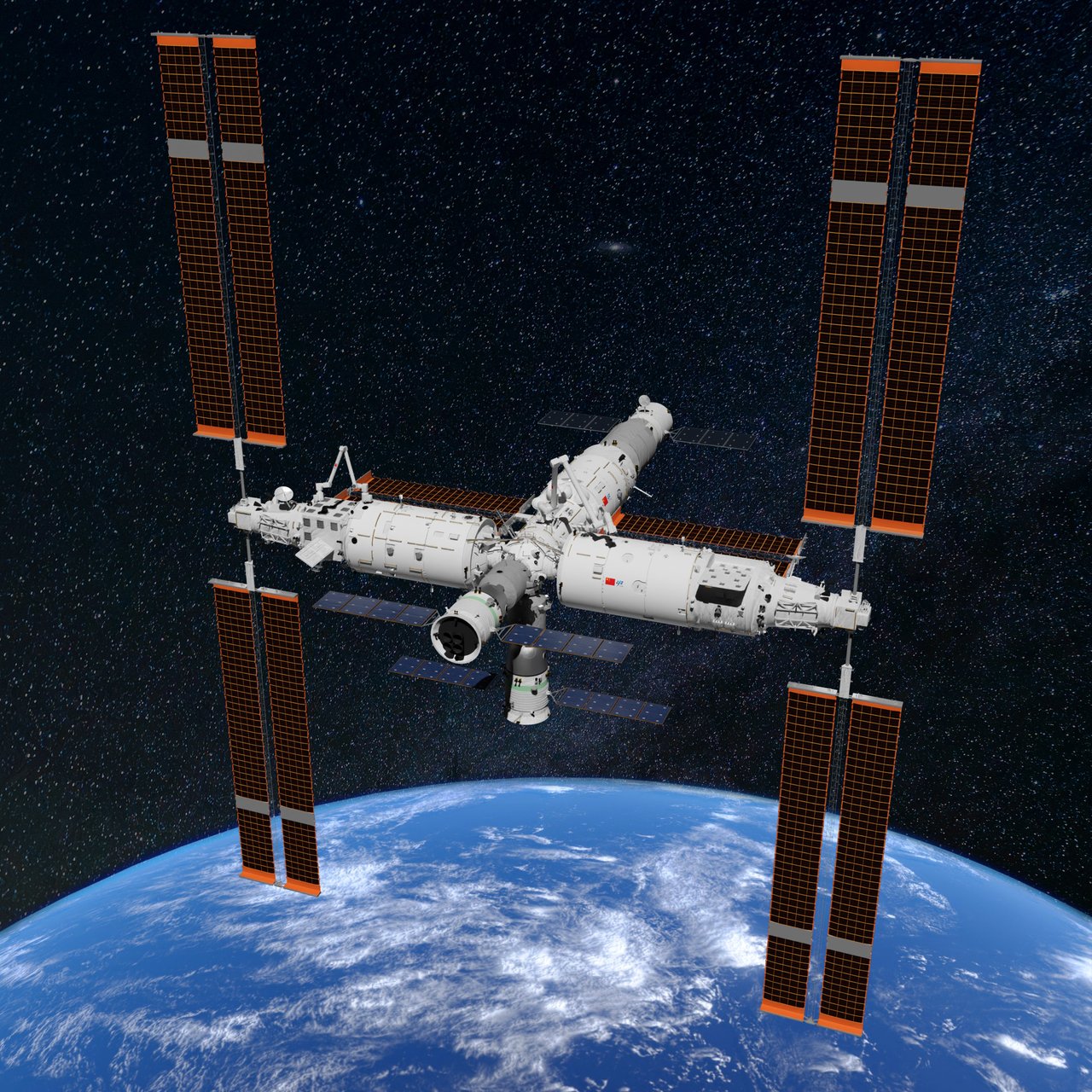
China’s independently built crewed space station forms a T shape with the Tianhe core module and the Wentian and Mengtian laboratories. It normally hosts three crew members as a national space laboratory.
Why don’t satellites fall down?
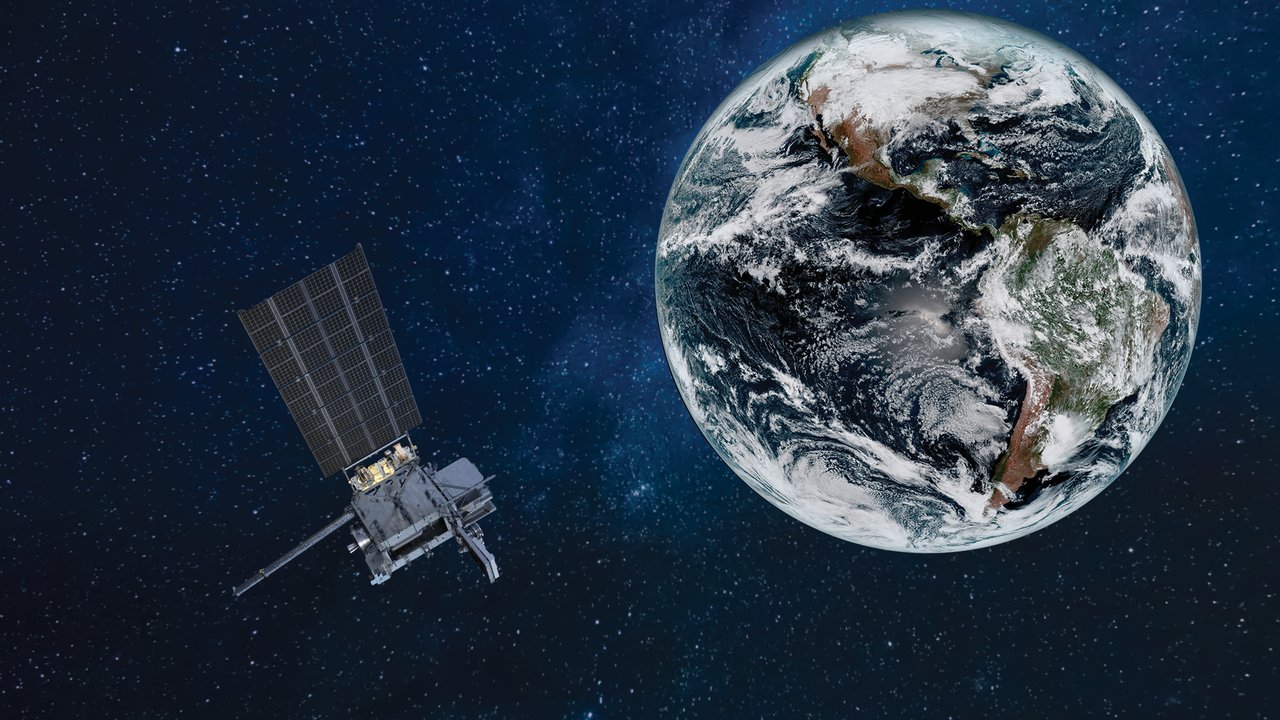
Satellites never escape gravity: they keep falling toward Earth. They move sideways so fast that the surface curves away beneath them, turning their fall into an orbit.
Starlink
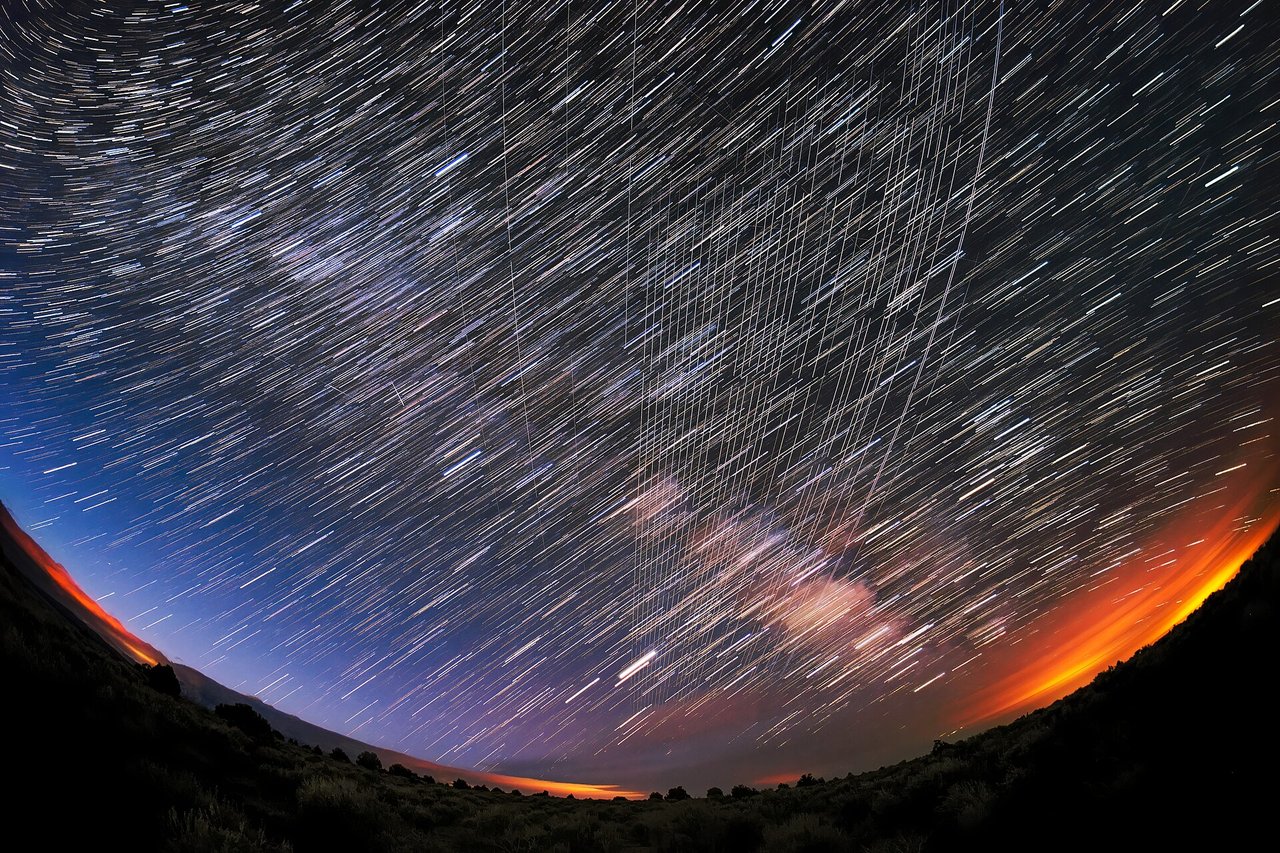
A moving string of bright points in the night sky may be newly launched Starlink satellites. They relay signals in low Earth orbit, bringing internet access to oceans, mountains, and places without mobile towers.
Why can’t I see a predicted satellite pass?
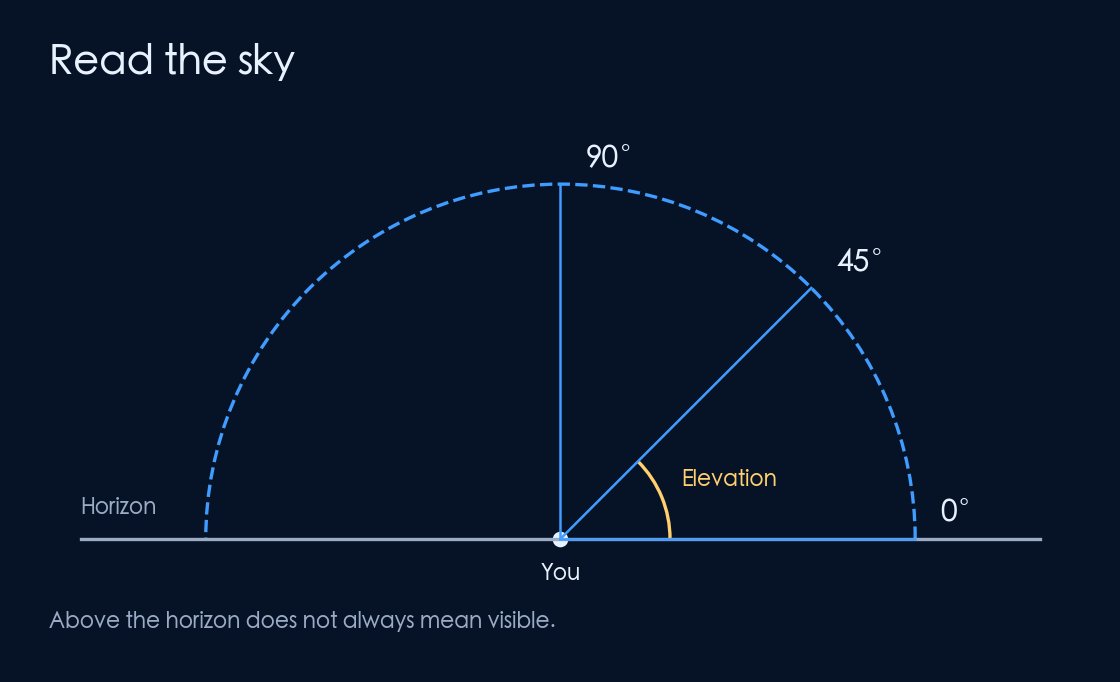
Understand elevation, illumination, and weather before observing.
Space stations
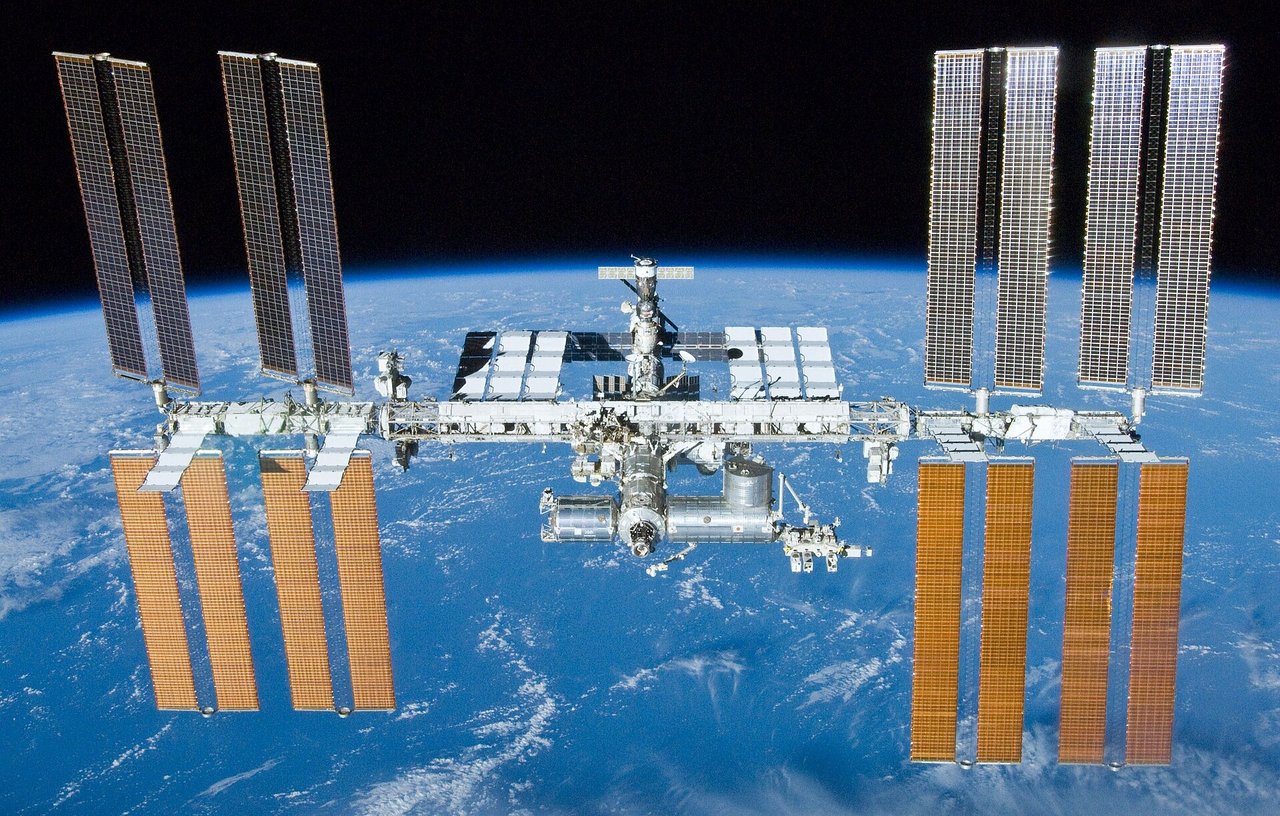
Orbital laboratories allow people to live in space for extended periods. From Salyut 1 in 1971 to today’s ISS and Tiangong, they rely on visiting supply spacecraft and are among the brightest artificial objects in the night sky.
OneWeb (Eutelsat OneWeb)
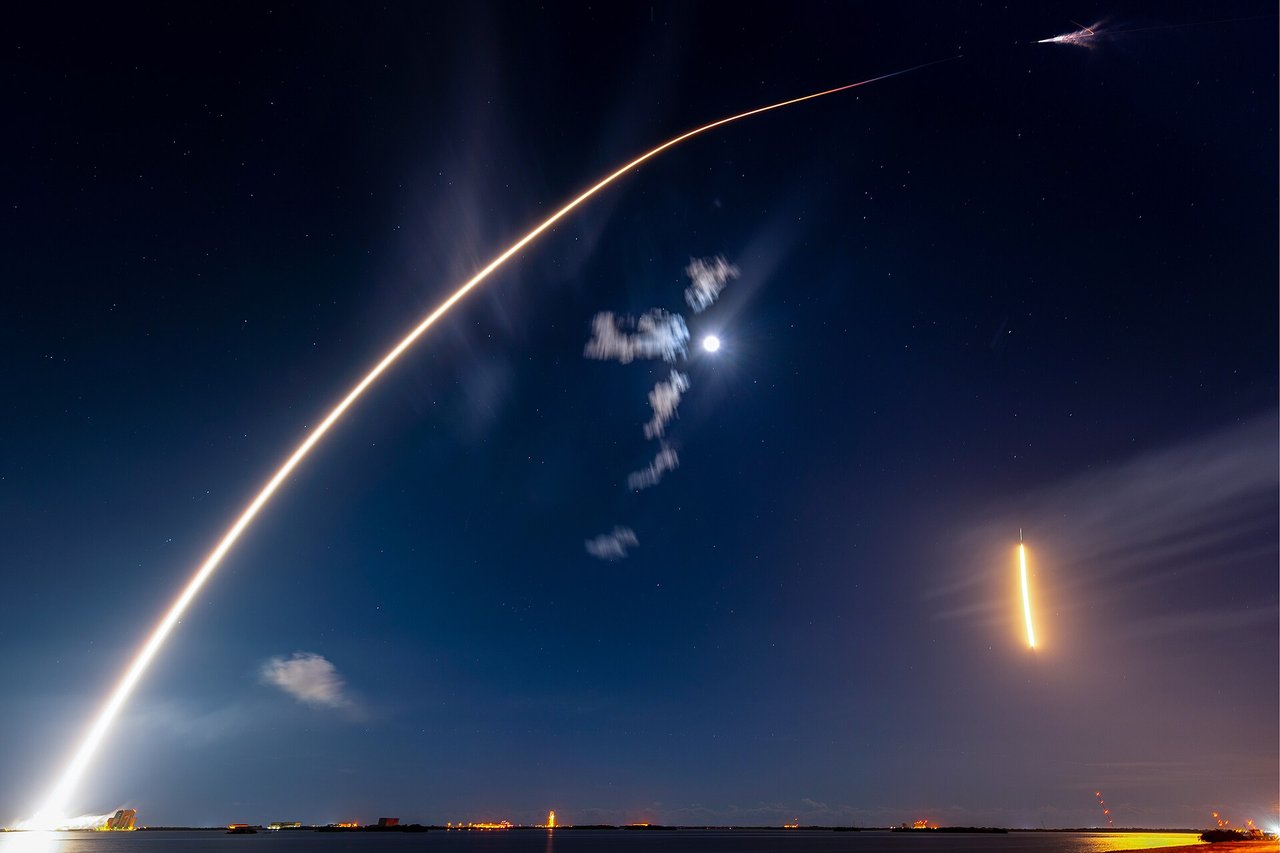
A low Earth orbit internet constellation whose first phase comprises about 648 satellites at 1,200 km. After bankruptcy in 2020, the UK government and Bharti took over; it merged with Eutelsat in 2023 and focuses on government, enterprise, maritime, and aviation customers.
Qianfan constellation (G60)
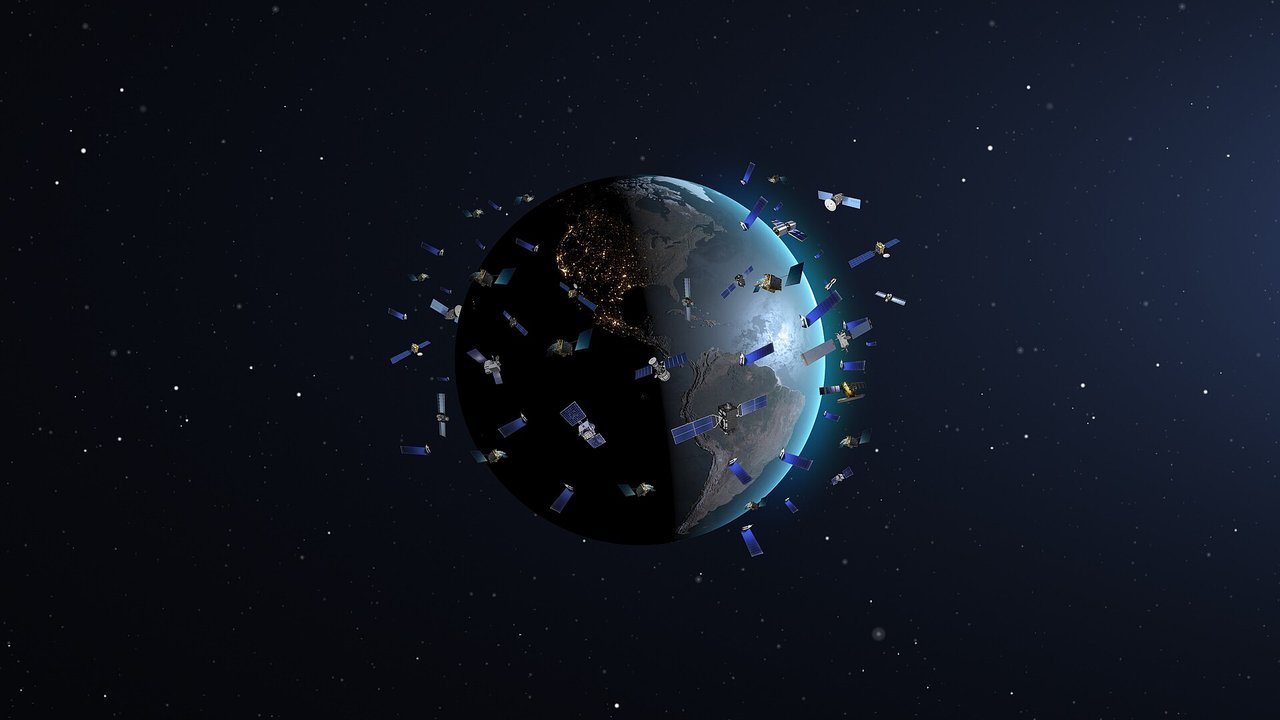
A Chinese low Earth orbit internet megaconstellation operated by Shanghai Spacesail. Its first operational batch launched in August 2024. Plans call for over 15,000 satellites providing global broadband.
China SatNet (Guowang)
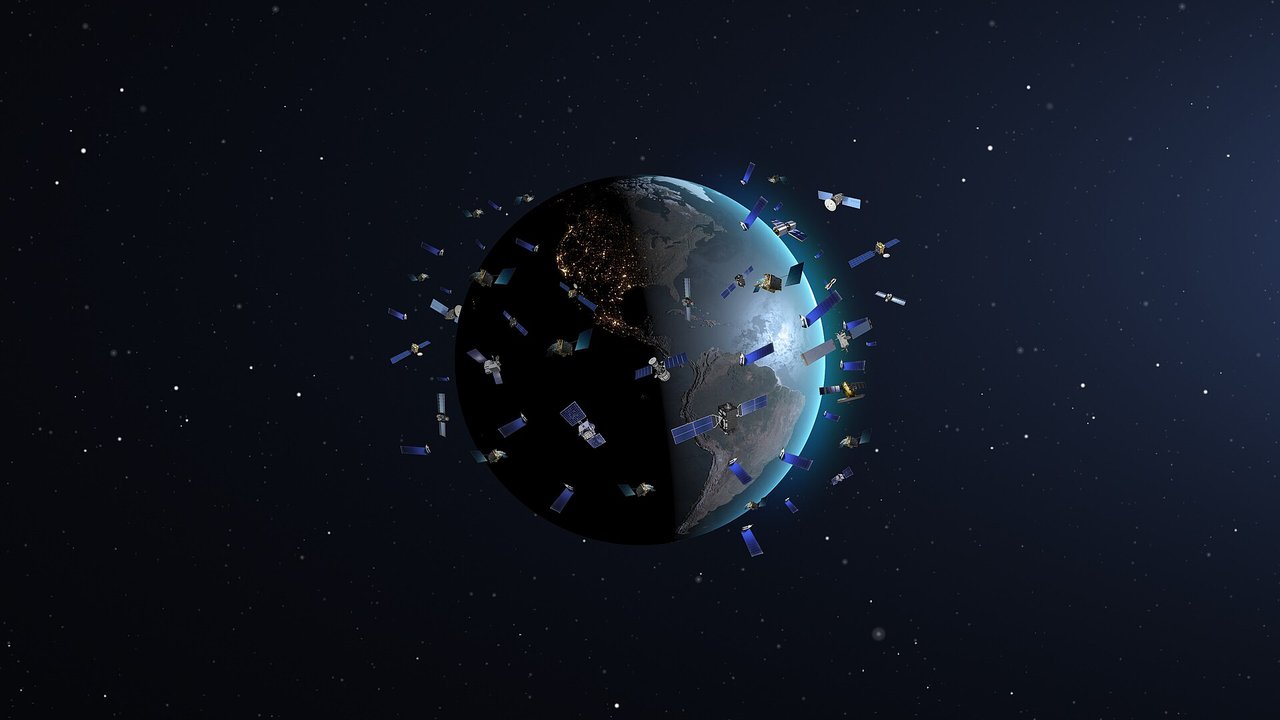
China SatNet’s national low Earth orbit internet system plans about 12,992 satellites. Deployment began in late 2024, with the aim of building a global space-based broadband network.
Amazon Leo (formerly Project Kuiper)
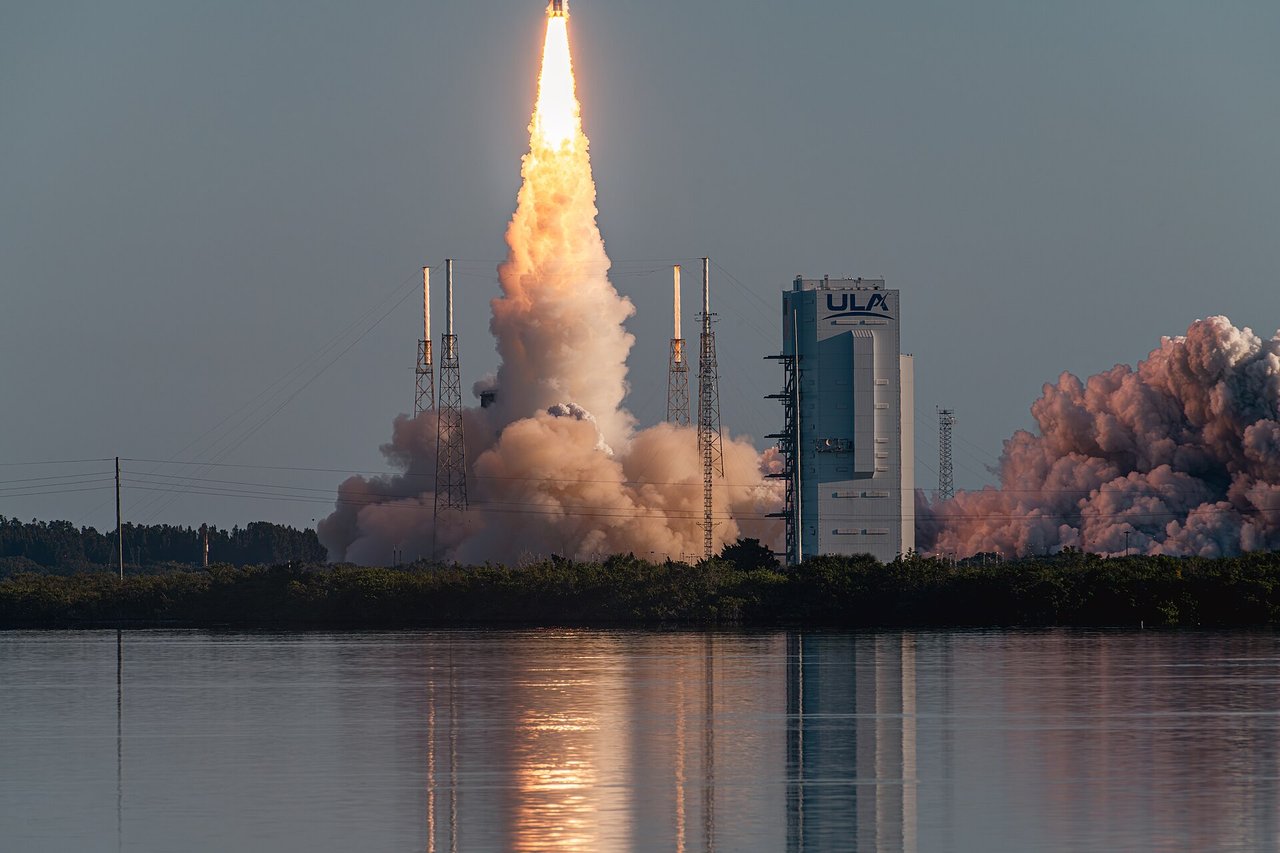
Amazon is building moving base stations in space. Formerly called Project Kuiper, the low Earth orbit network has been renamed Amazon Leo and continues deploying satellites to bring broadband beyond the reach of terrestrial networks.
Global Navigation Satellite Systems (GNSS)
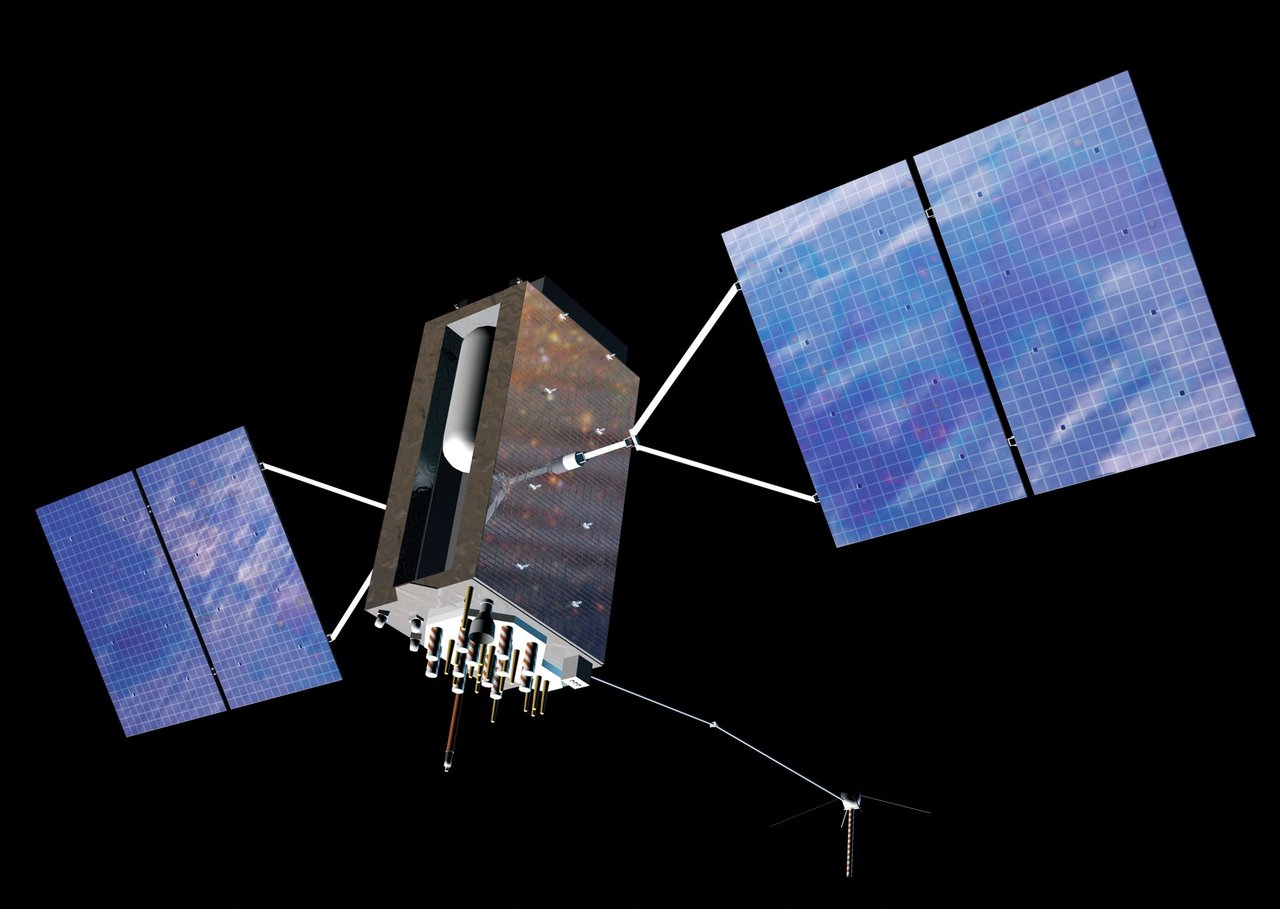
Where does the blue dot on your phone’s map come from? About 20,000 km overhead, navigation satellites broadcast precise time signals that let your phone calculate its position on Earth.
Weather satellites
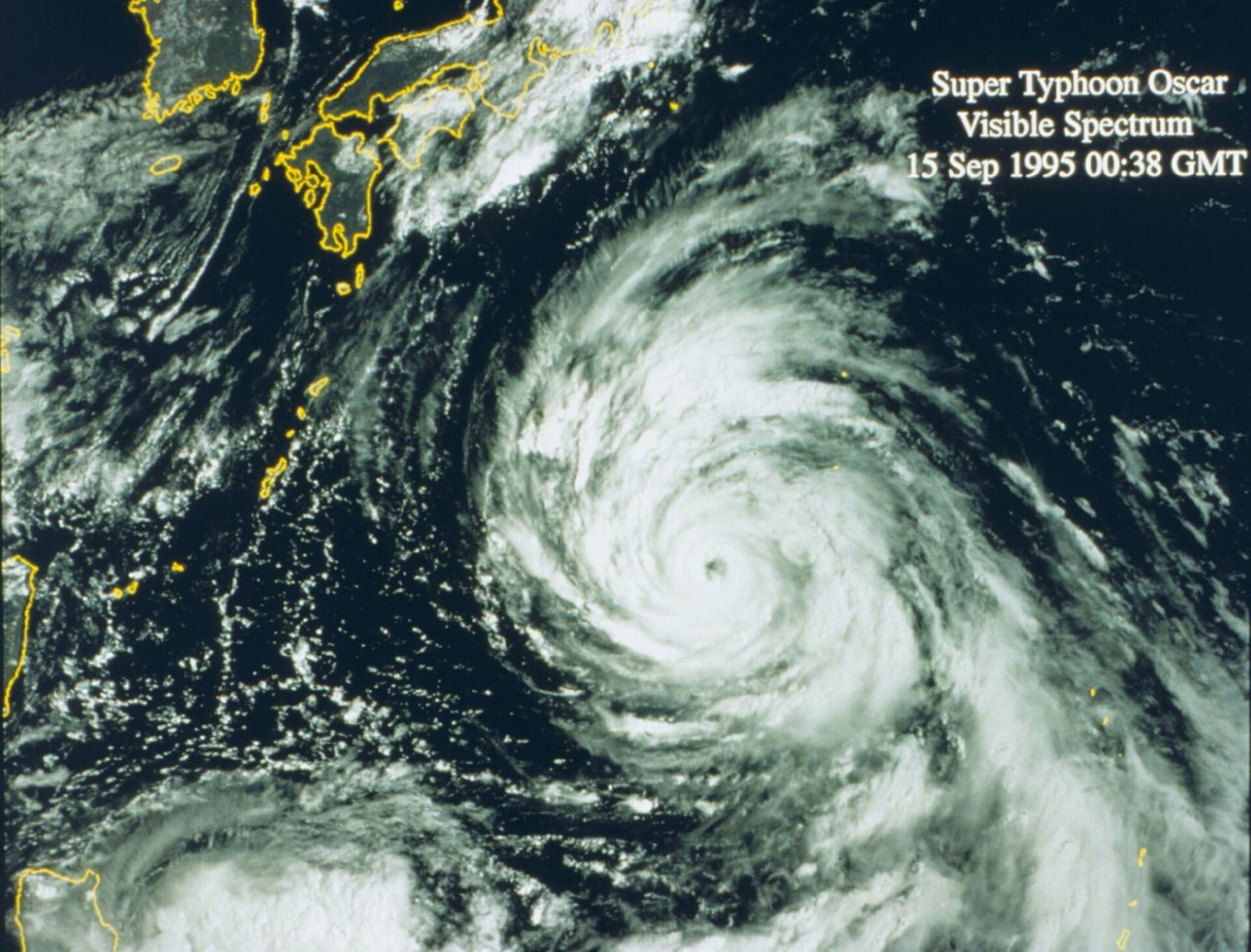
How can a weather app see the eye of a typhoon? Some weather satellites scan Earth as they orbit; others watch the same region continuously. Together they monitor clouds, oceans, and the atmosphere.
Earth observation & remote sensing
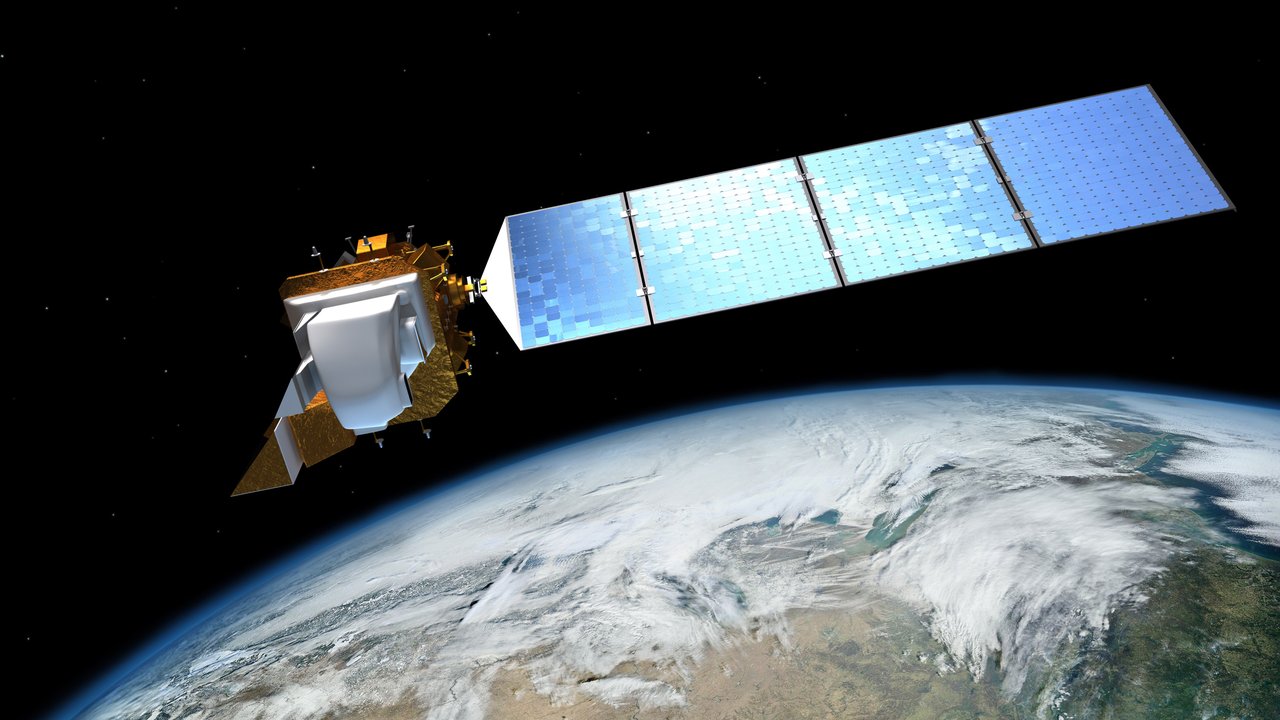
These satellites give Earth regular checkups. Their images reveal crop growth, forest changes, and flood extent, and help update the maps we use every day.
Science satellites
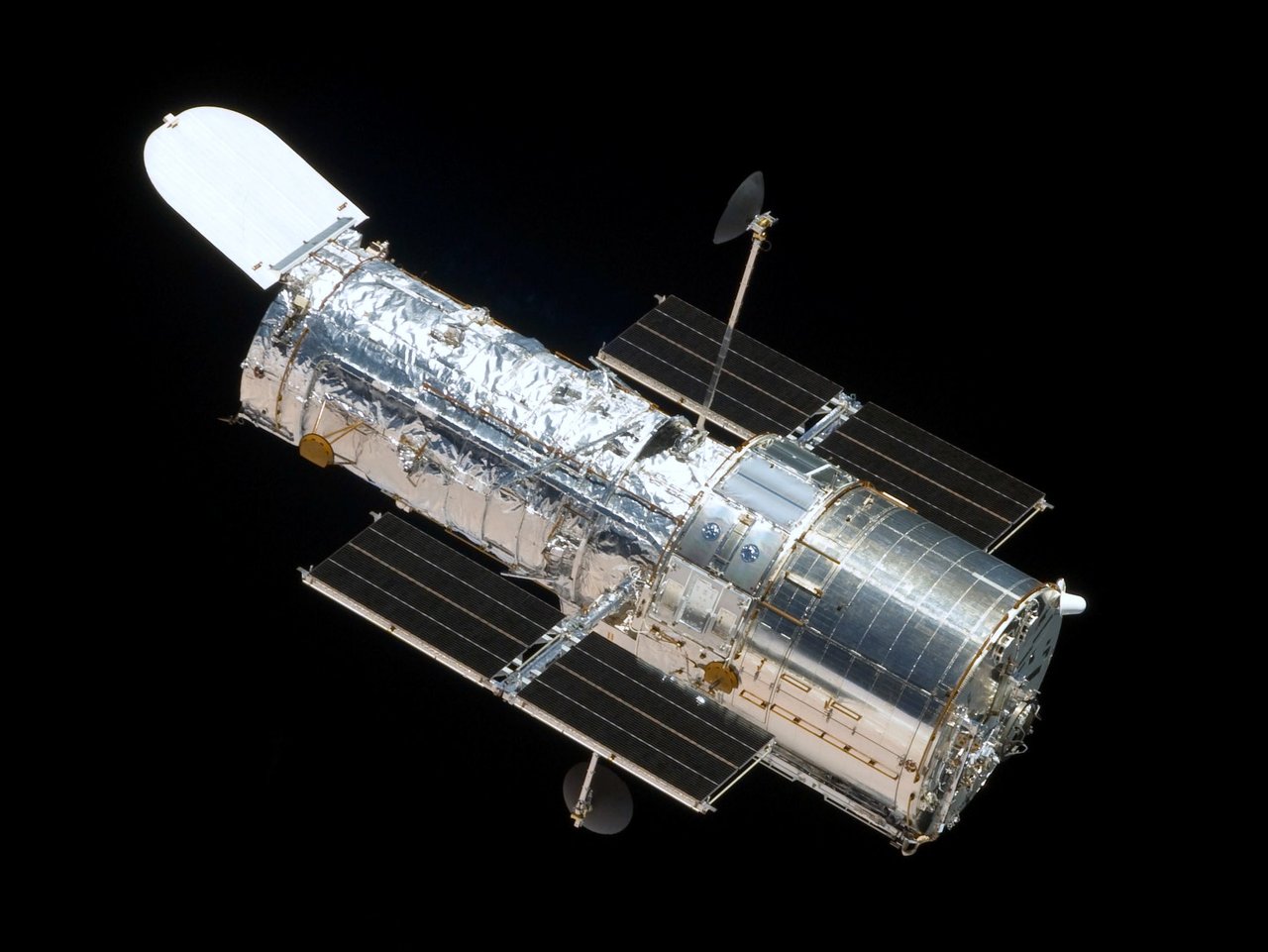
What would we see if we moved telescopes and laboratories above the atmosphere? Science satellites study parts of the universe hidden from the ground and perform experiments difficult to conduct on Earth.
Geostationary satellites
Why does a satellite stay in the same direction in the sky? At about 35,786 km above the equator, its orbit takes one sidereal day, making it appear stationary from the ground.
Amateur radio satellites
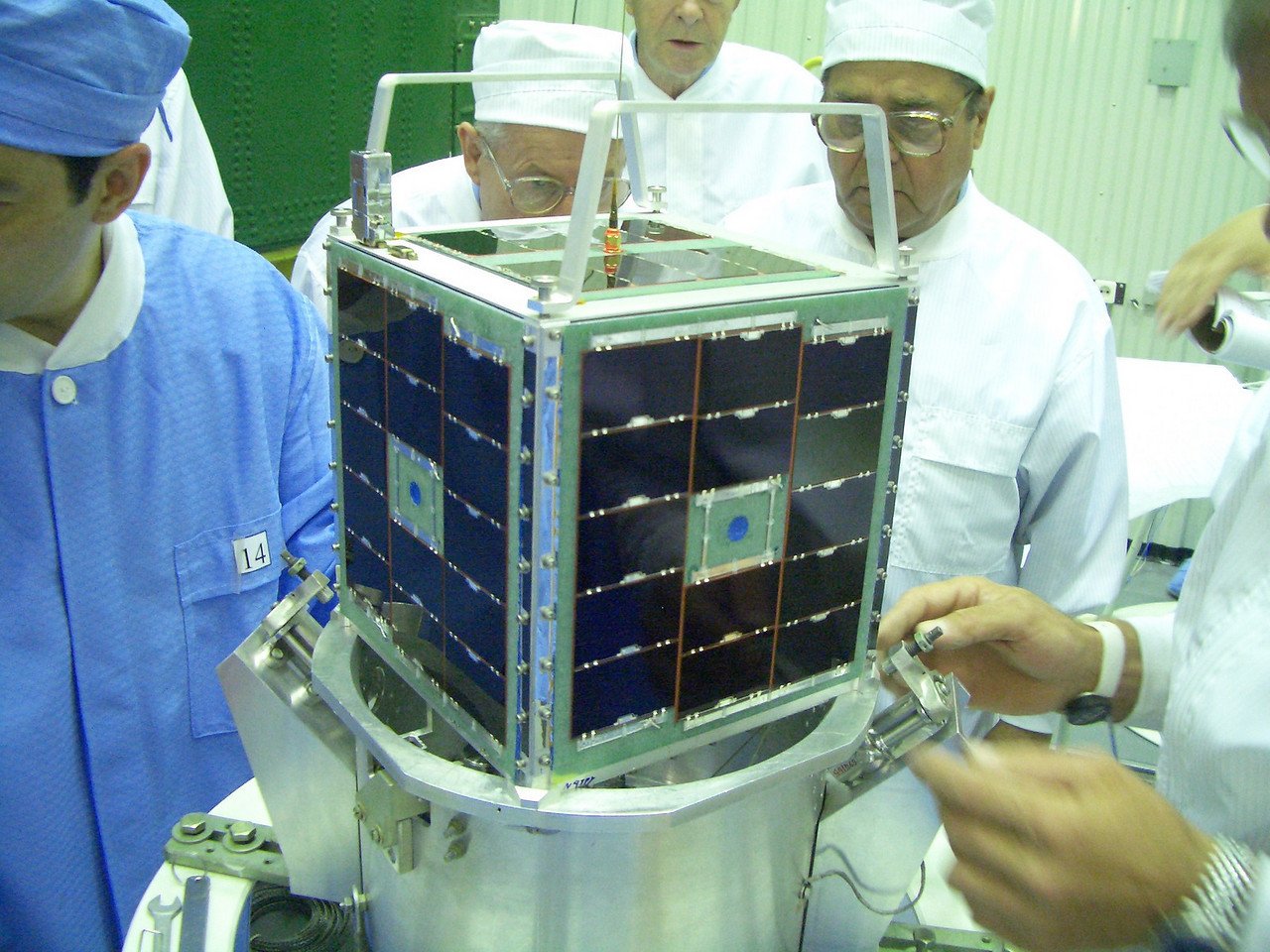
Radio enthusiasts have built and operated these satellites since OSCAR 1 in 1961. A dual-band radio and a Yagi antenna can make space contacts through FM repeaters such as SO-50, or even the ISS.
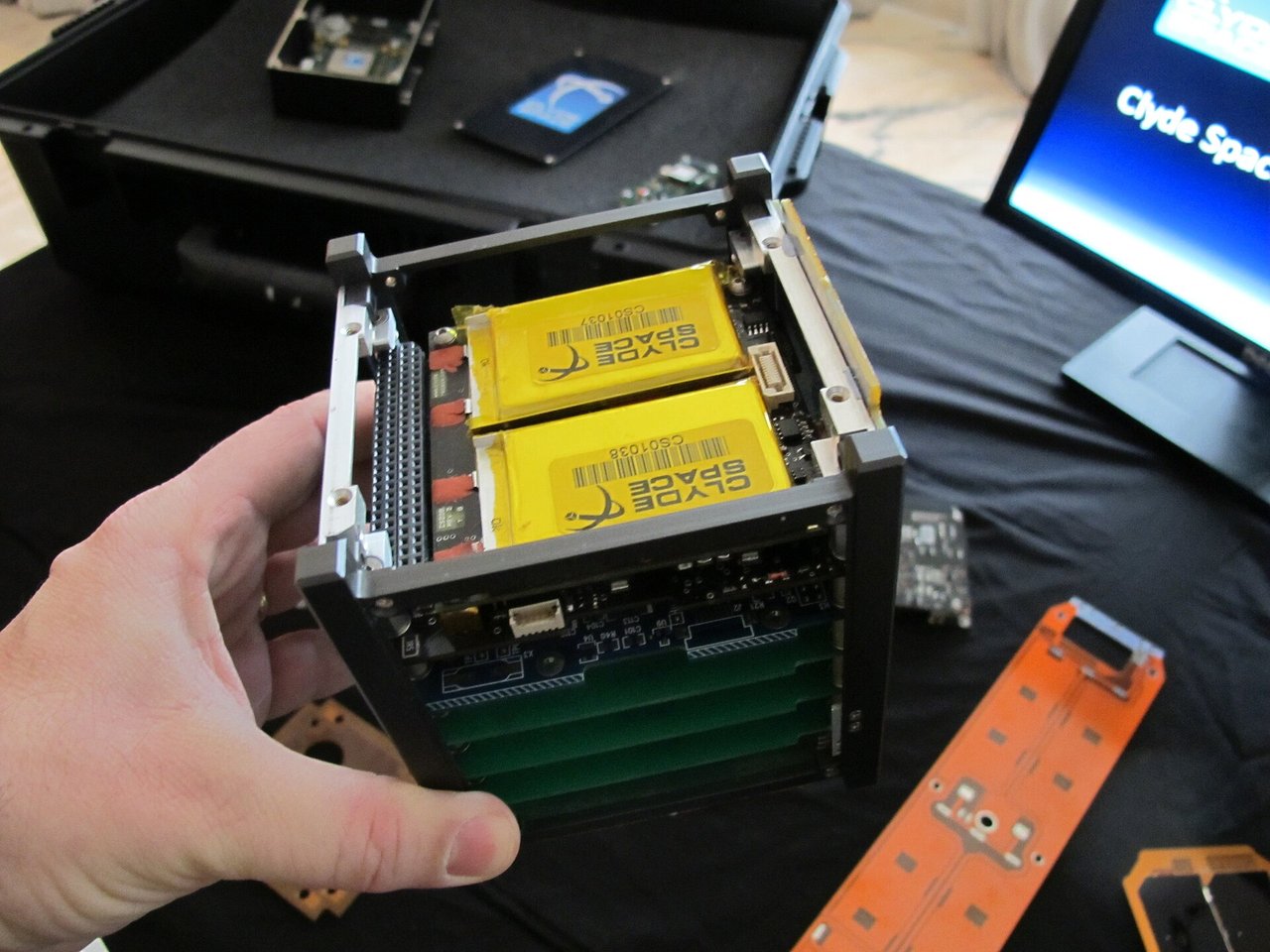
CubeSats
Can a satellite be as small as a tissue box? A 1U CubeSat is about 10 cm on each side. Standard parts fit together like building blocks, allowing even student teams to send experiments into space.
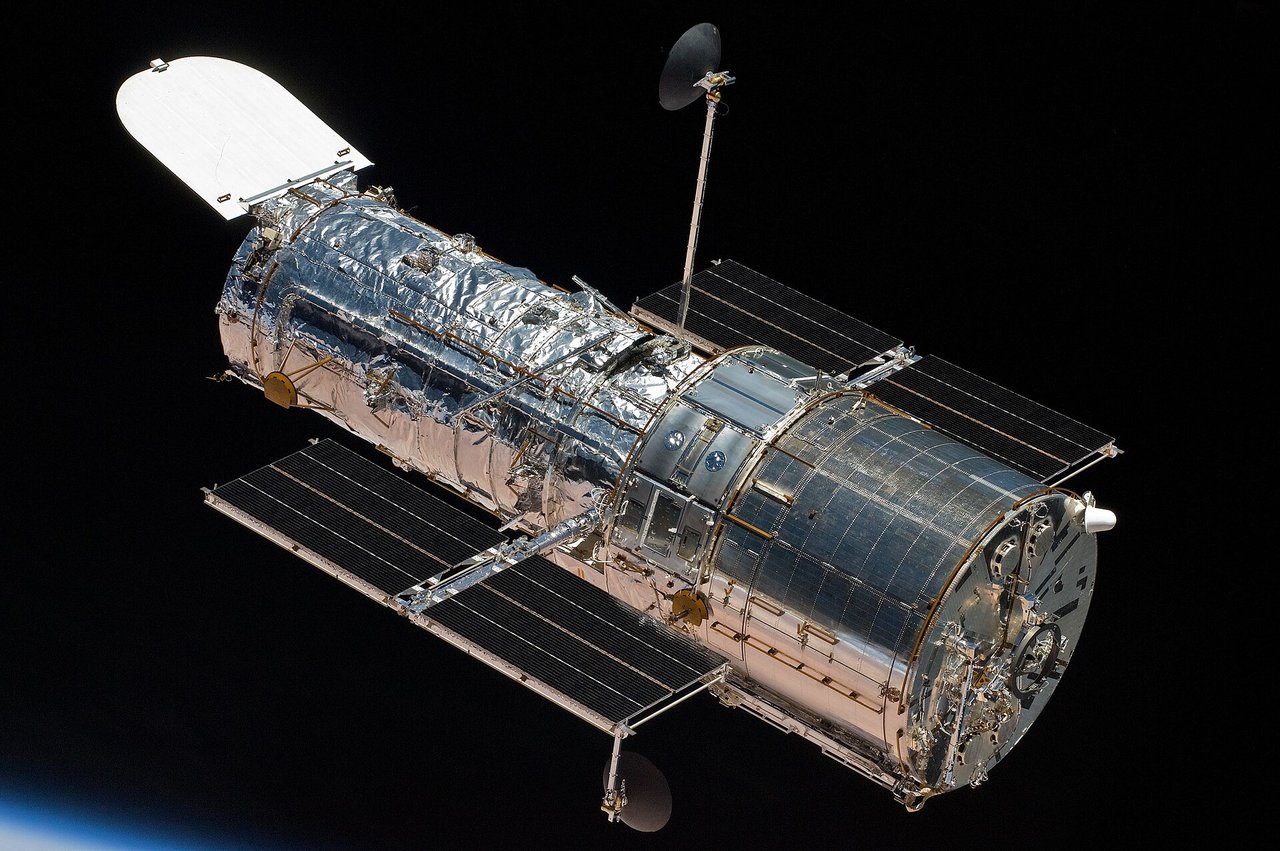
Hubble Space Telescope (HST)
This NASA/ESA observatory launched on April 24, 1990. Its 2.4-meter primary mirror and five shuttle servicing missions enabled images such as the Pillars of Creation and the deep fields; it remains in orbit.
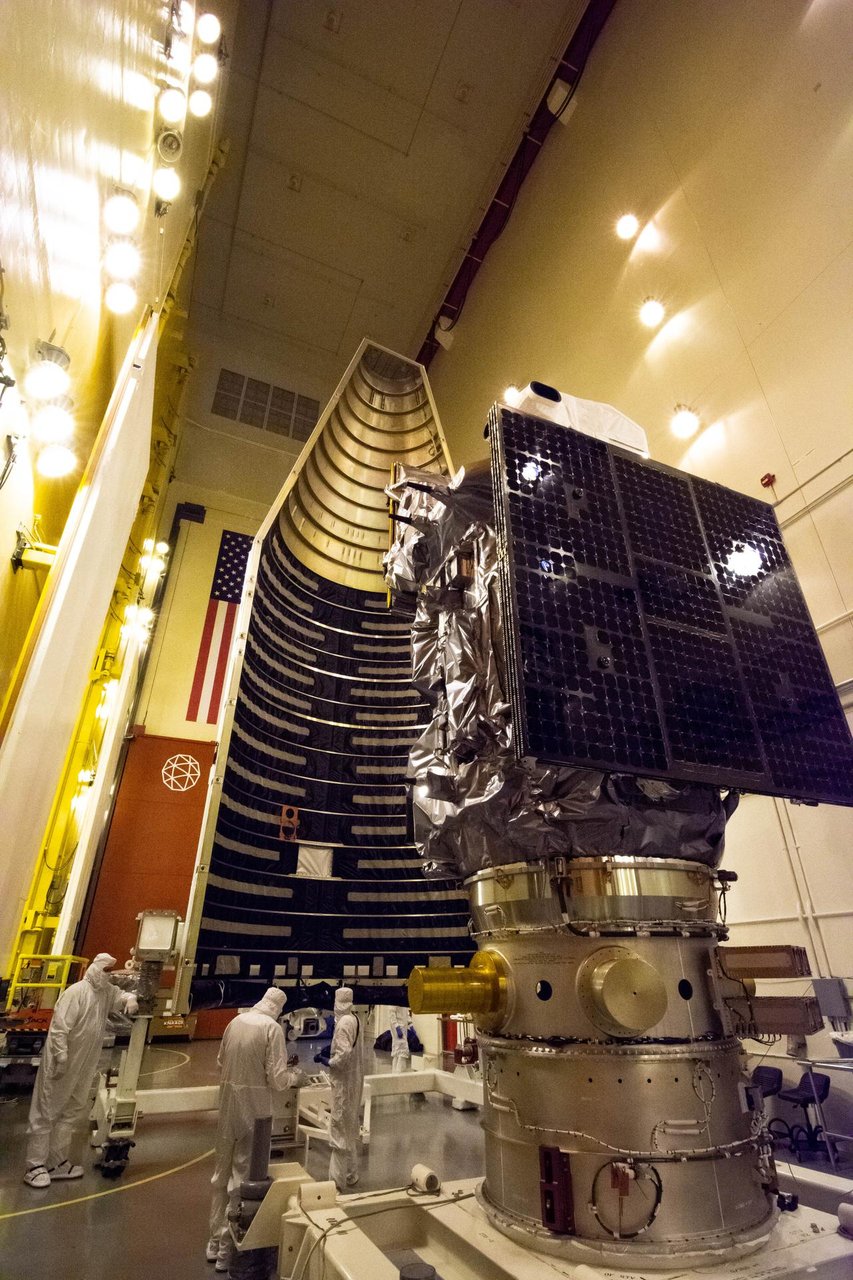
Landsat
NASA and USGS began the longest-running continuous Earth observation program with Landsat 1 in 1972. From a roughly 705 km Sun-synchronous orbit, each satellite revisits every 16 days to record agriculture, forests, disasters, and urban change.
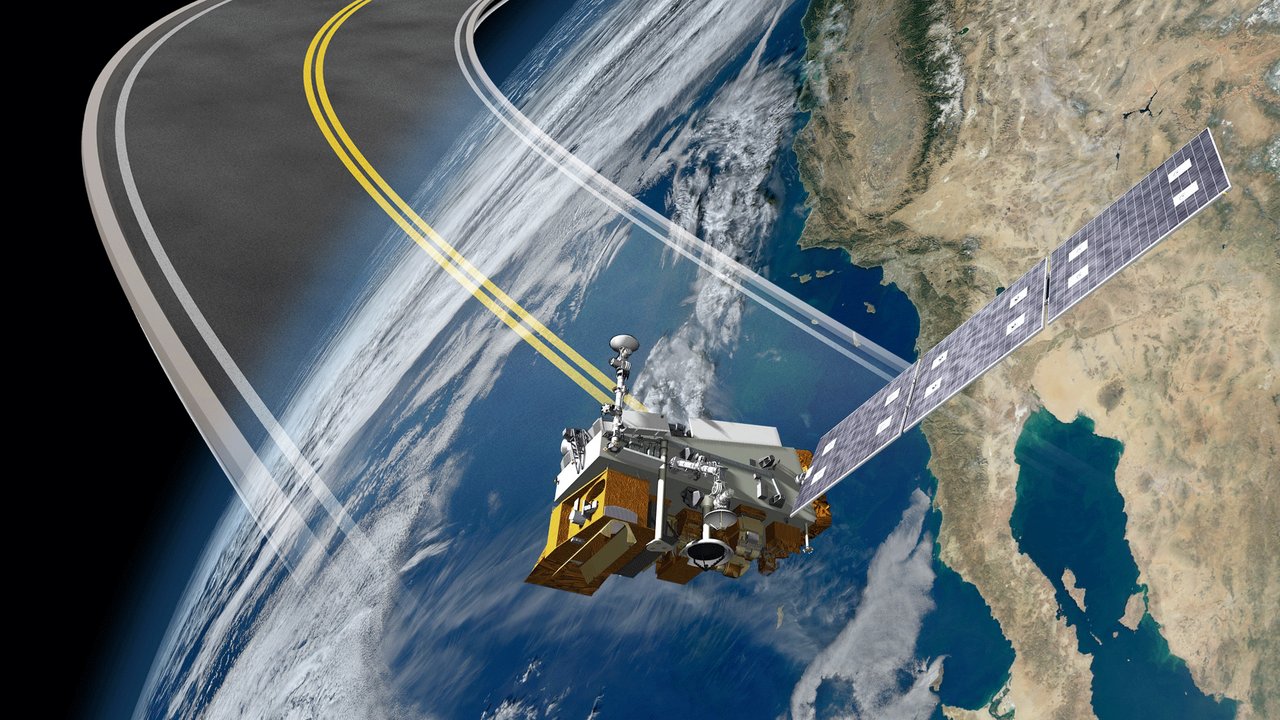
NOAA polar-orbiting weather satellites
NOAA’s polar weather satellite family traces its history to TIROS in 1960. Successive POES and JPSS spacecraft provide global observations for numerical weather prediction.
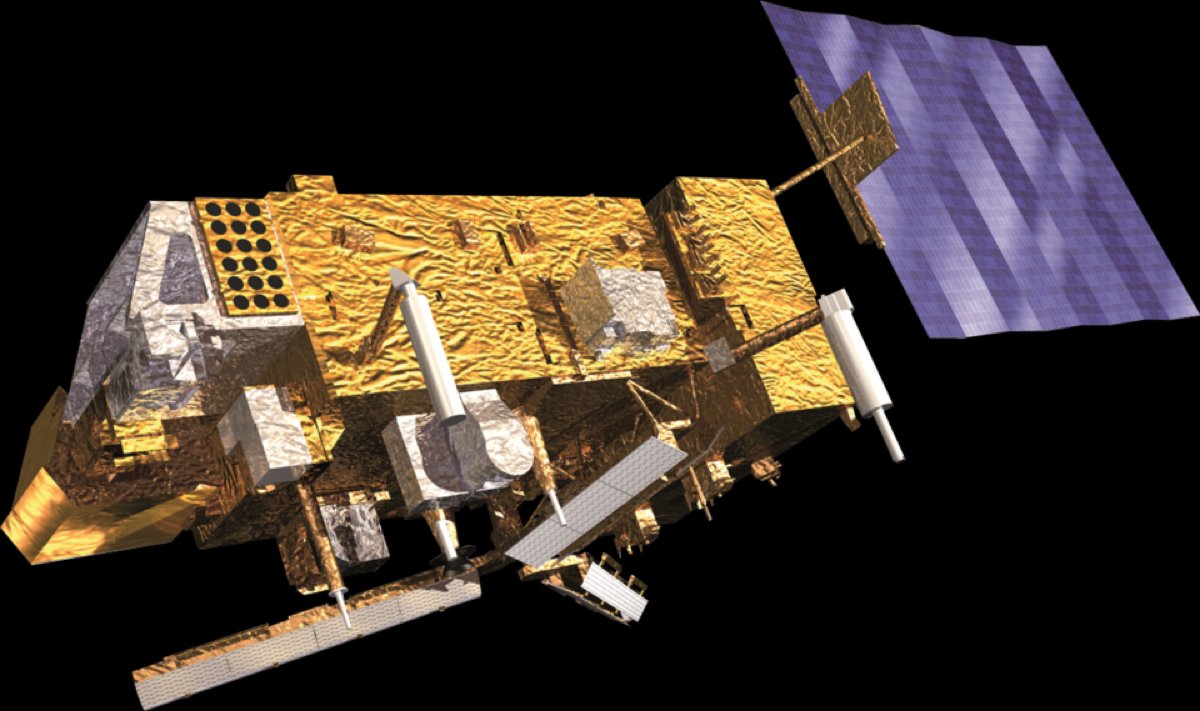
Metop
Europe’s first operational polar weather satellite family complements NOAA’s afternoon-orbit satellites. Instruments such as IASI measure atmospheric temperature and humidity profiles for forecasts and climate monitoring.
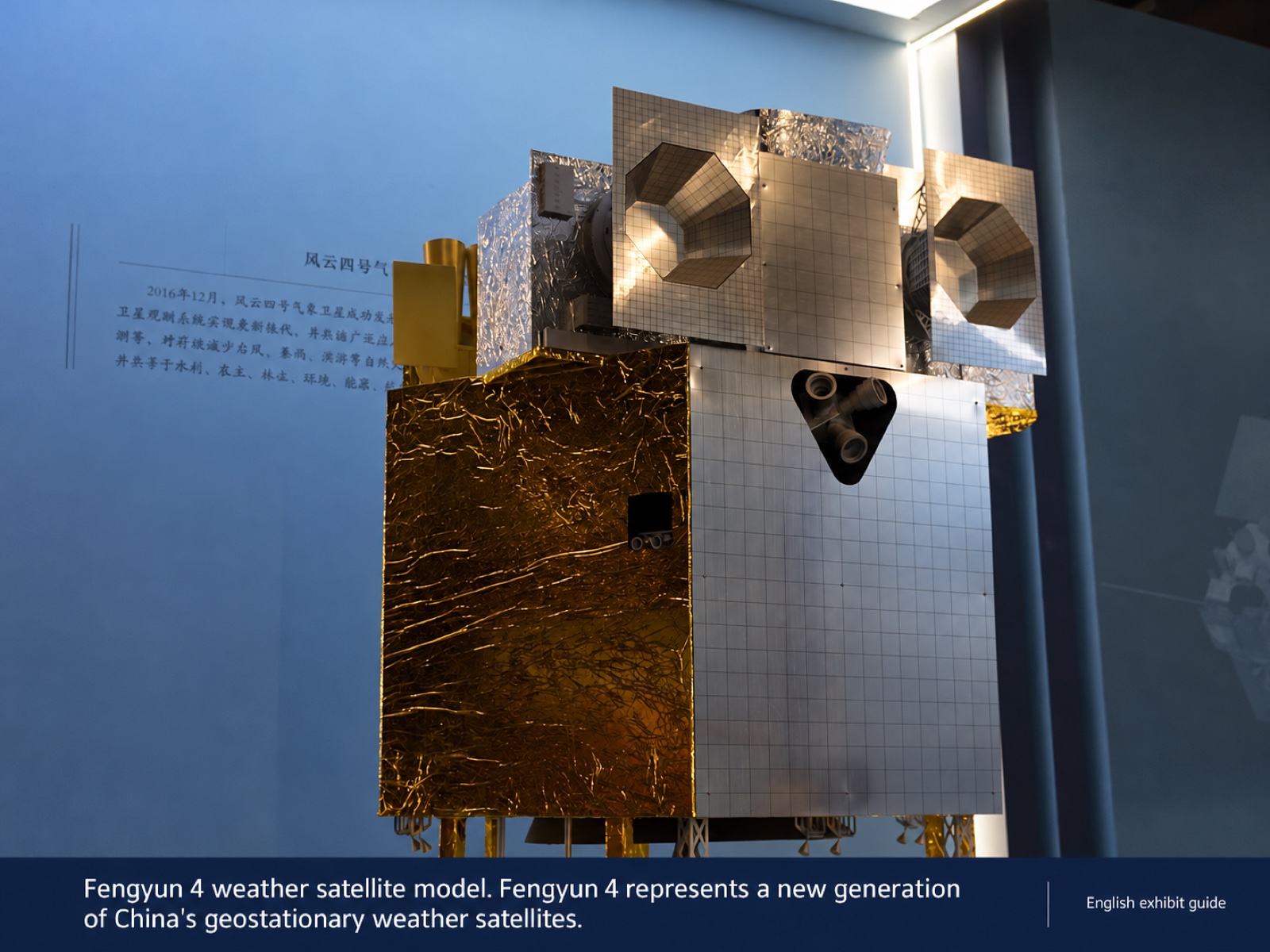
Fengyun weather satellites
China’s weather satellite family includes polar and geostationary series. More than twenty have launched since Fengyun 1A in 1988, monitoring typhoons and heavy rain and sharing data with over a hundred countries.
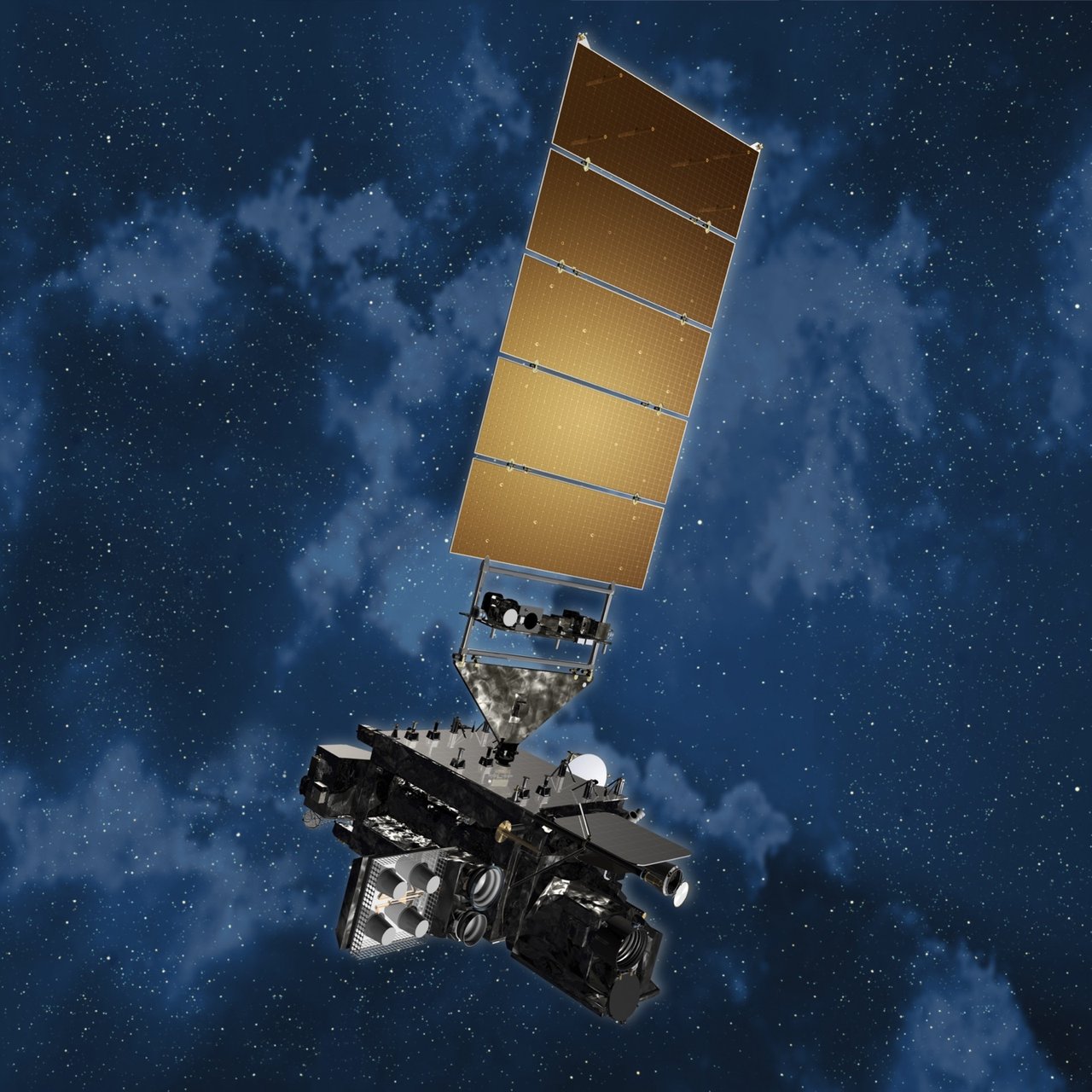
GOES
NOAA’s geostationary weather satellite series began in 1975. Operational eastern and western satellites watch the Americas for weather forecasting, hurricane tracking, and space-weather monitoring.
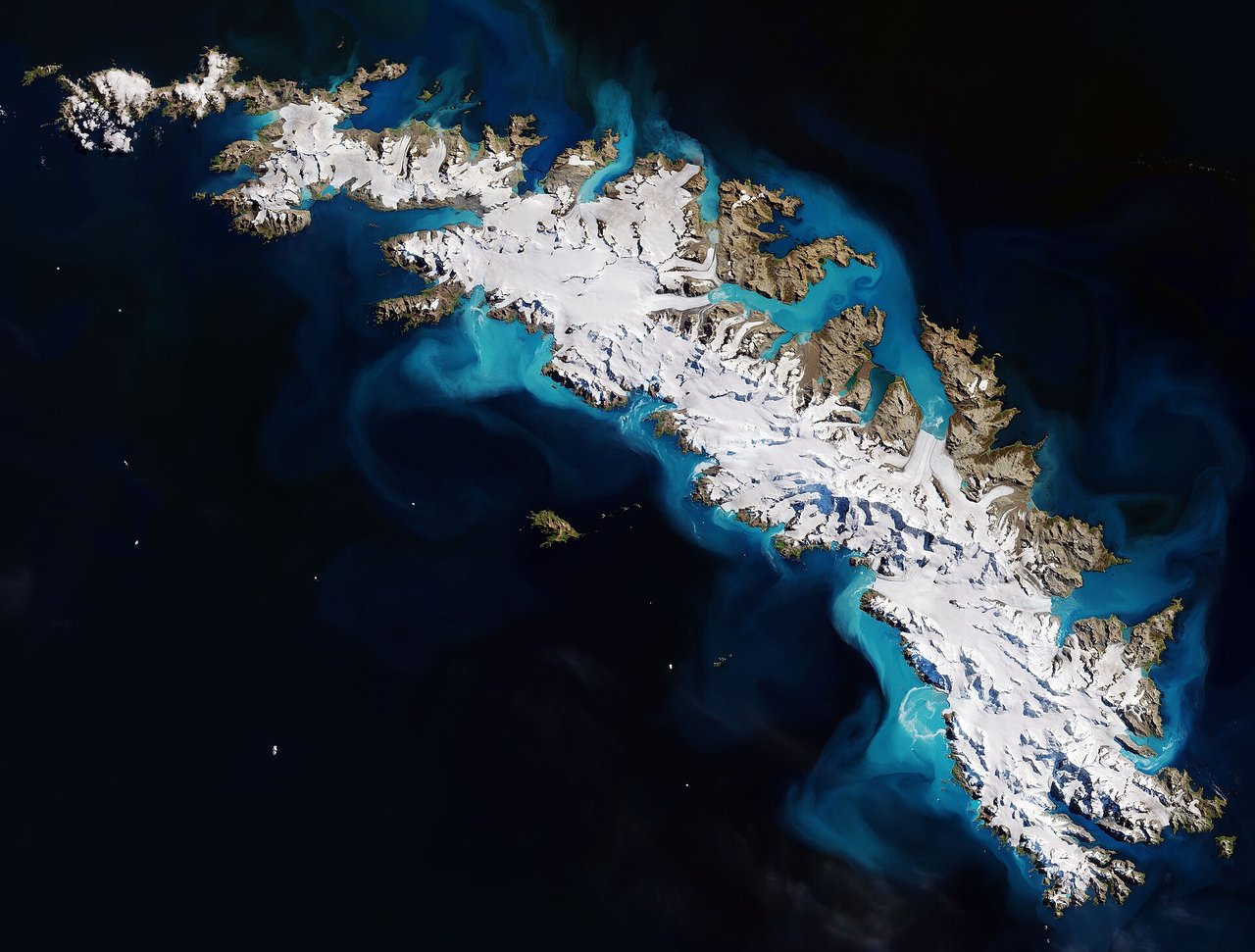
Copernicus Sentinel satellites
The core of the EU’s Copernicus program includes Sentinel-1 radar, Sentinel-2 optical imaging, Sentinel-3 ocean observations, Sentinel-5P atmosphere monitoring, and Sentinel-6 altimetry. Free global access to their data has transformed Earth observation.
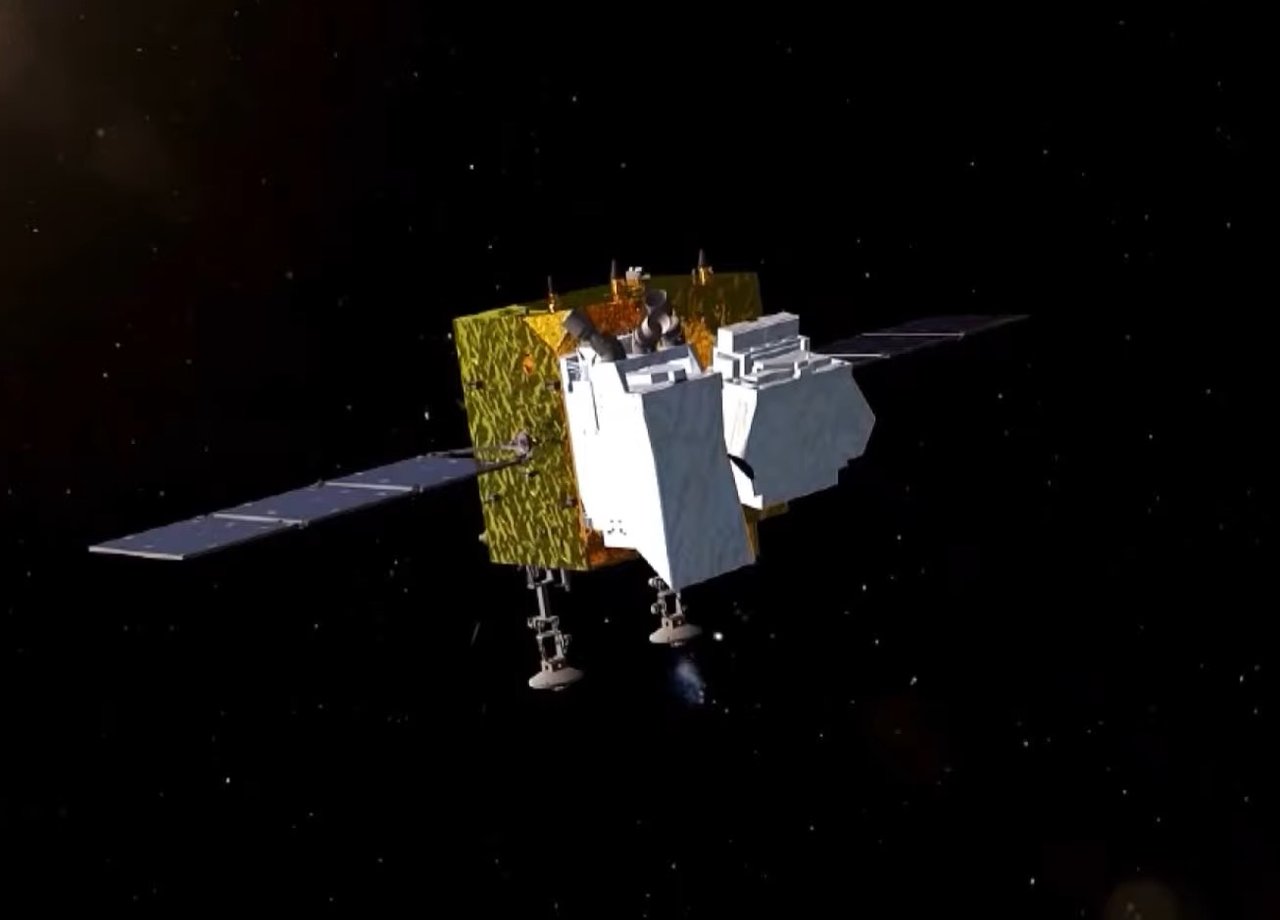
Gaofen satellites
China’s high-resolution Earth observation family includes Gaofen 1, submeter imaging with Gaofen 2, and stereo mapping with Gaofen 7, supporting land management, agriculture, and disaster response.
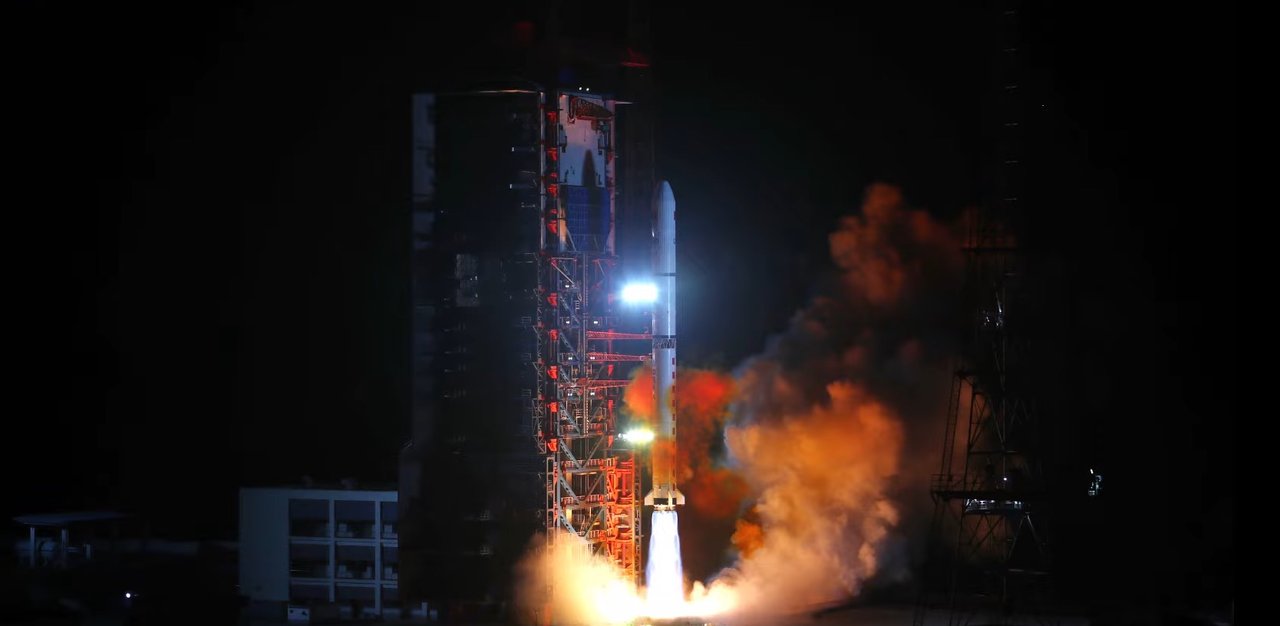
Yaogan satellites
One of China’s largest Earth observation constellations, with roughly 150 satellites launched since 2006, using optical and radar instruments. Official descriptions emphasize scientific experiments and land-resource surveys.
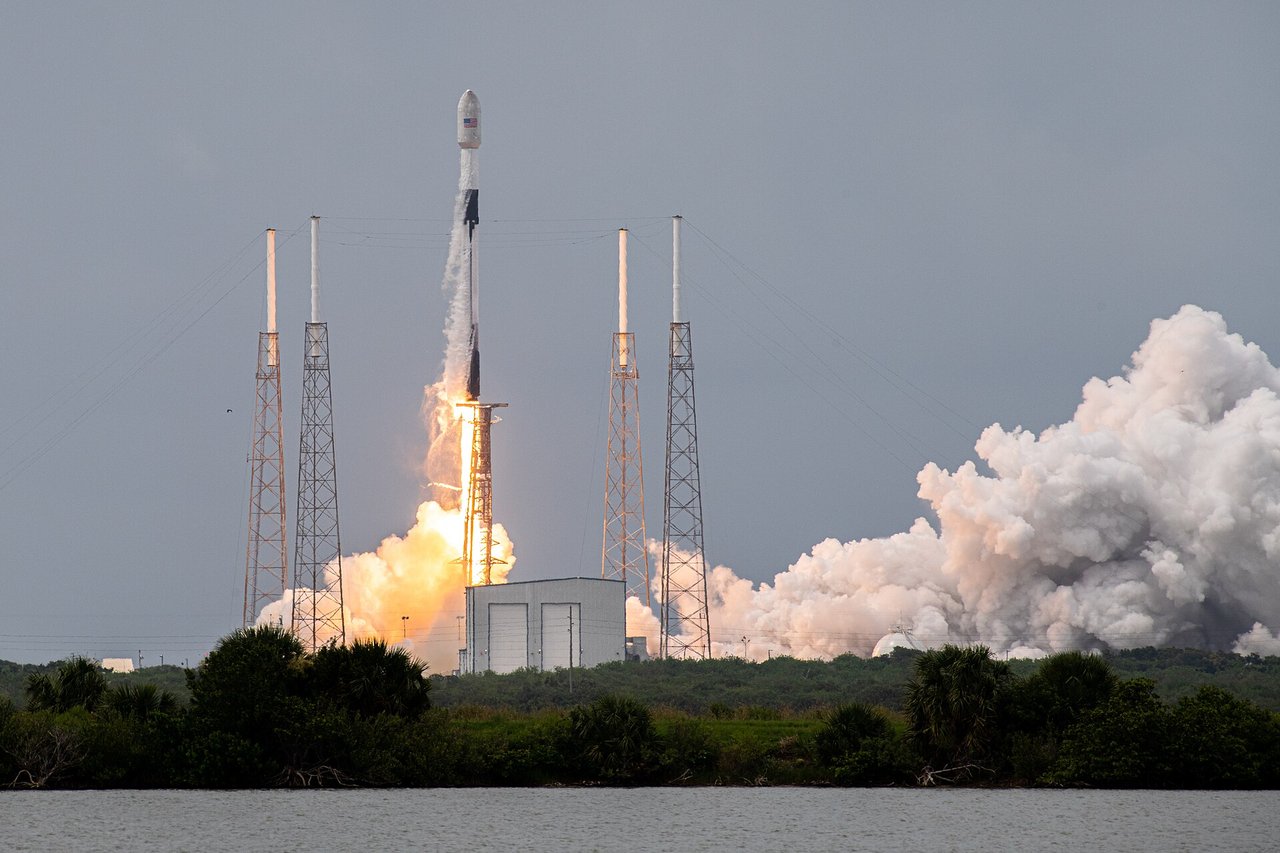
Loft Orbital (YAM series)
This US satellite-as-a-service company provides shared platforms for customer payloads through its YAM series, including YAM-2, 3, 5, and 6. It sells services rather than satellites, with multiple payloads launched on SpaceX rideshare missions.
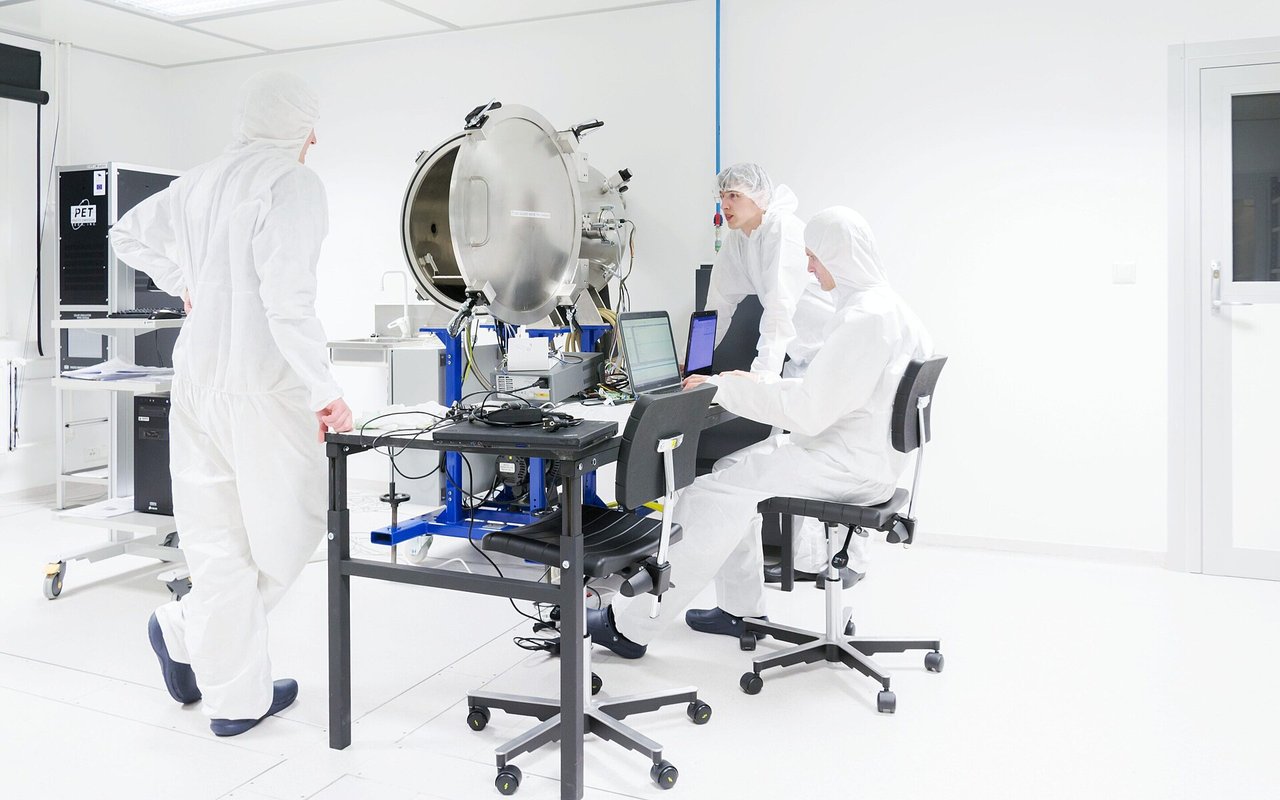
Arvaker (N3X) maritime surveillance satellites
Kongsberg built this three-microsatellite series for Norway’s armed forces. The N3X constellation uses AIS receivers and navigation-radar detectors to track ships from low Earth orbit; all three reached orbit in 2025.
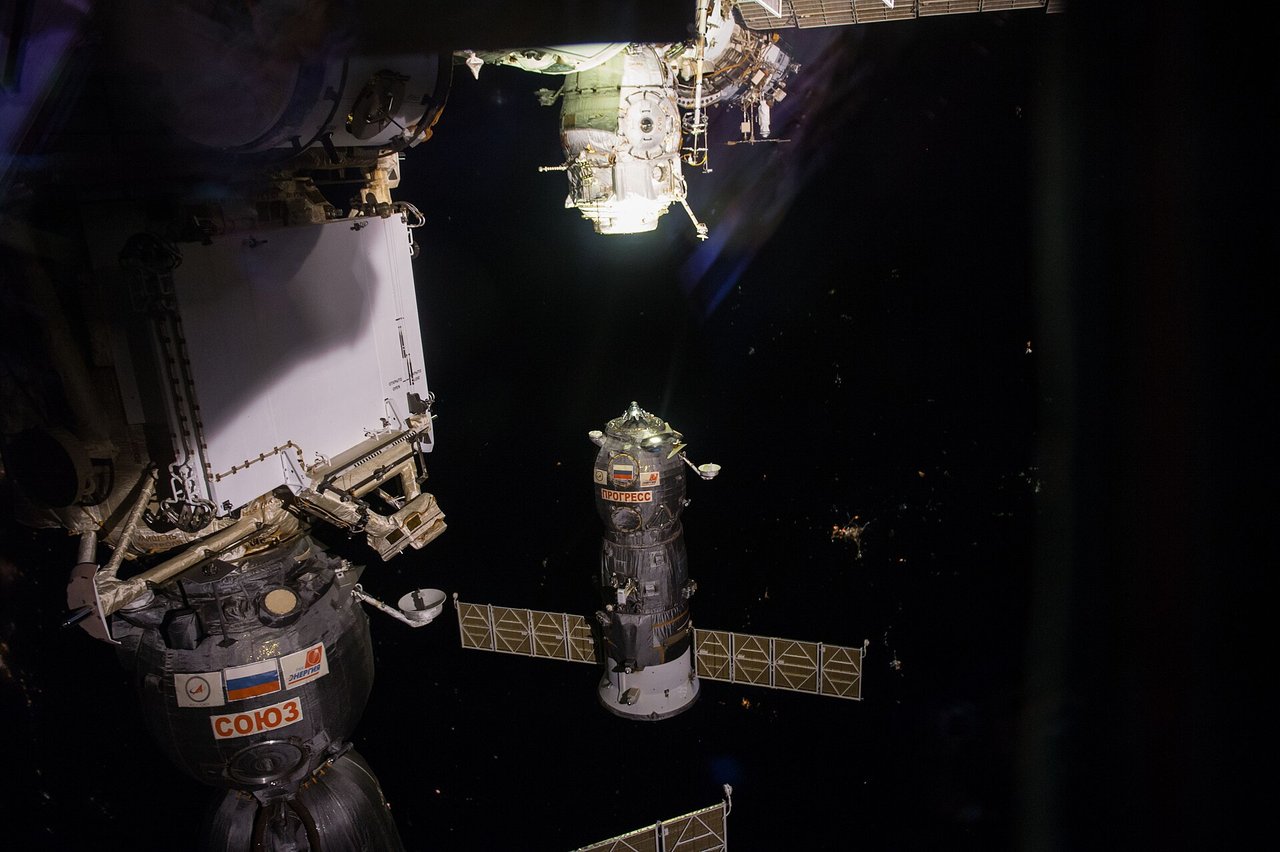
Progress cargo spacecraft
This expendable Soviet/Russian cargo craft was derived from Soyuz. First flown in 1978, it supplied Salyut, Mir, and the ISS with cargo and propellant before burning up during controlled reentry.
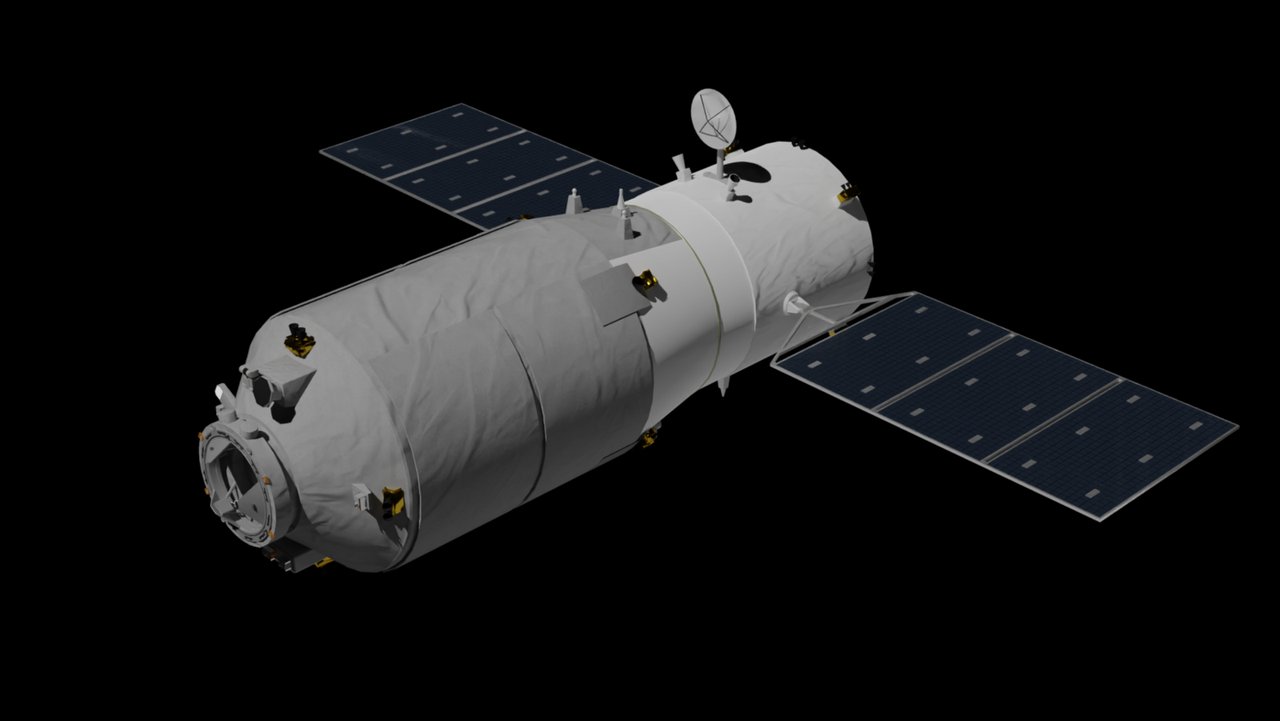
Tianzhou cargo spacecraft
China’s uncrewed supply craft for Tiangong first flew in 2017. It delivers cargo and propellant and can complete an autonomous fast rendezvous and docking in about three hours.
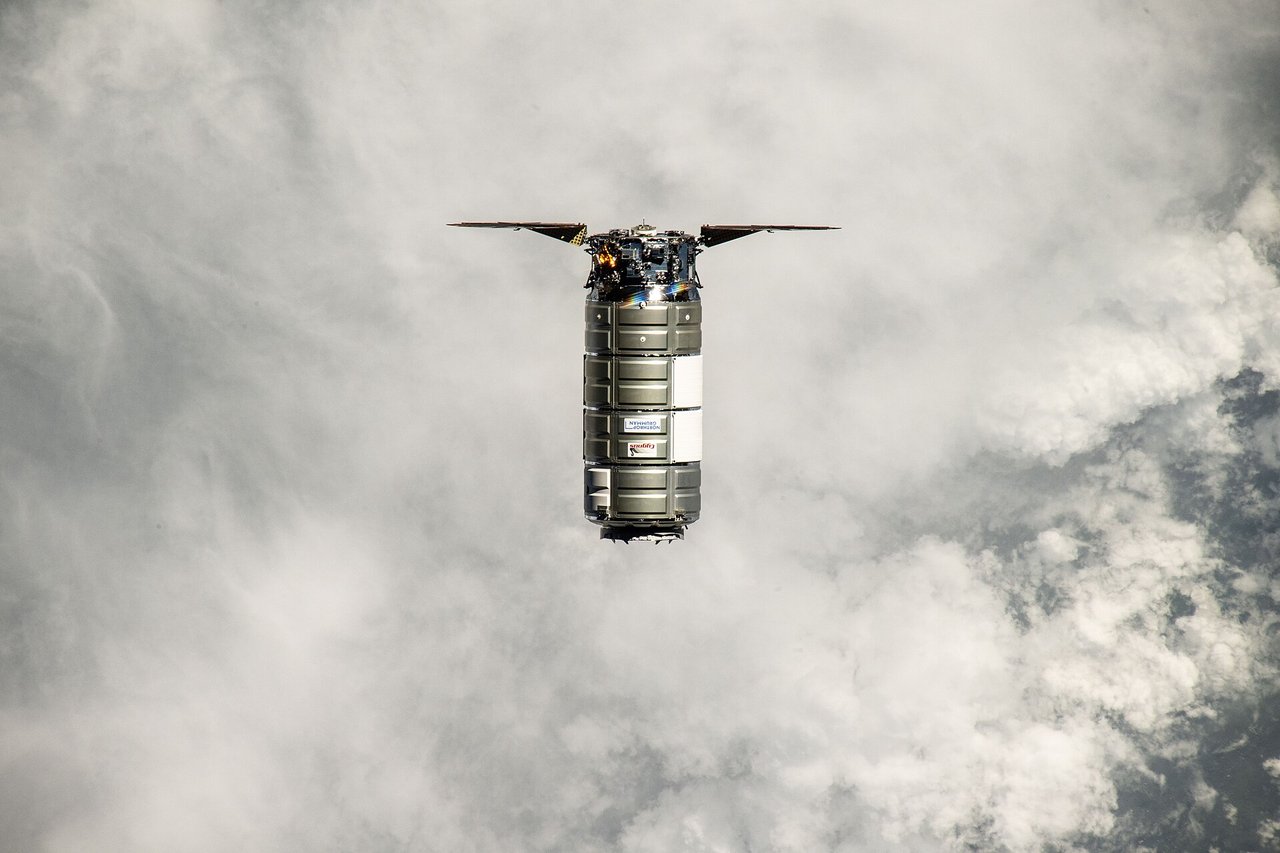
Cygnus cargo spacecraft
Northrop Grumman’s expendable uncrewed cargo craft first flew in 2013. It brings supplies to the ISS and disposes of waste by burning up during reentry.
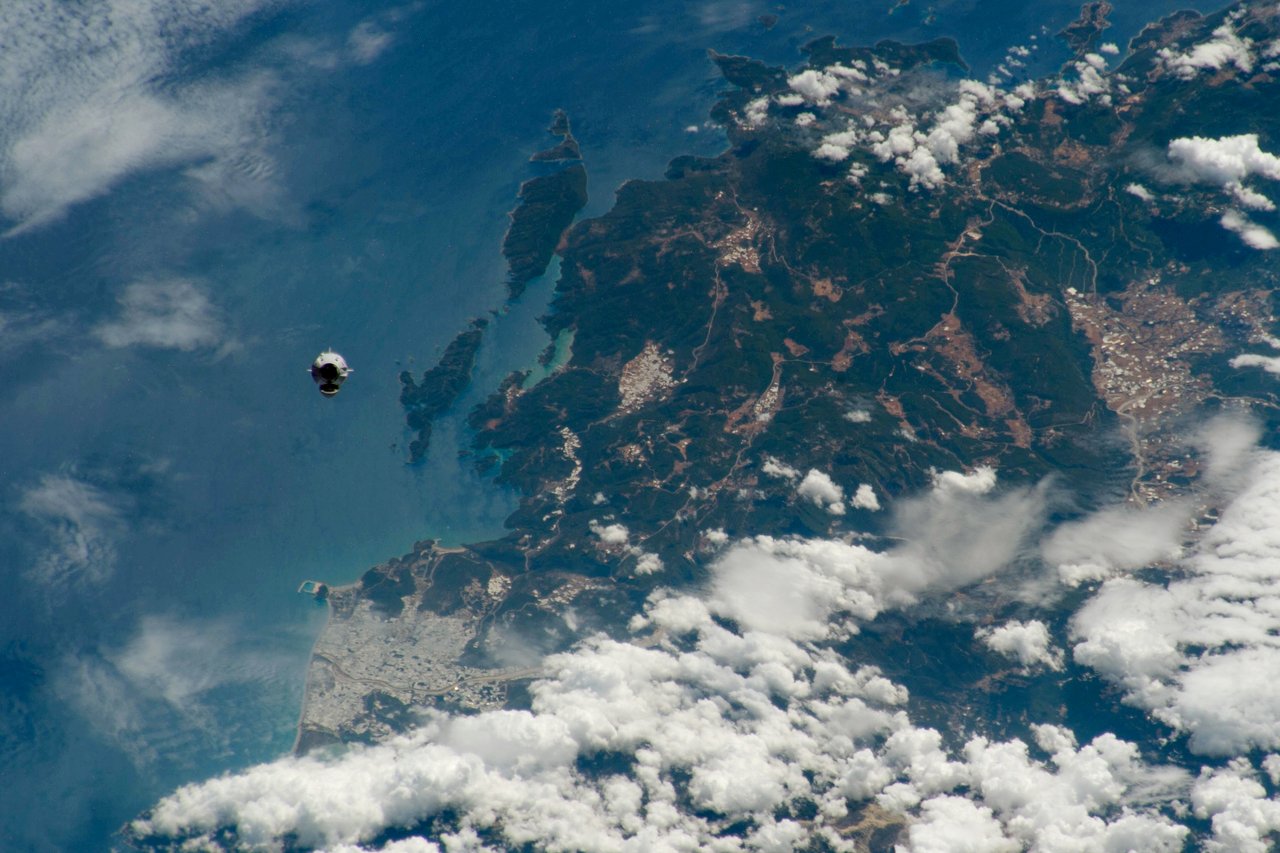
Dragon spacecraft family
SpaceX’s reusable spacecraft family first flew in cargo form in 2010. Crew Dragon first carried astronauts in 2020. Capsules return by ocean splashdown.
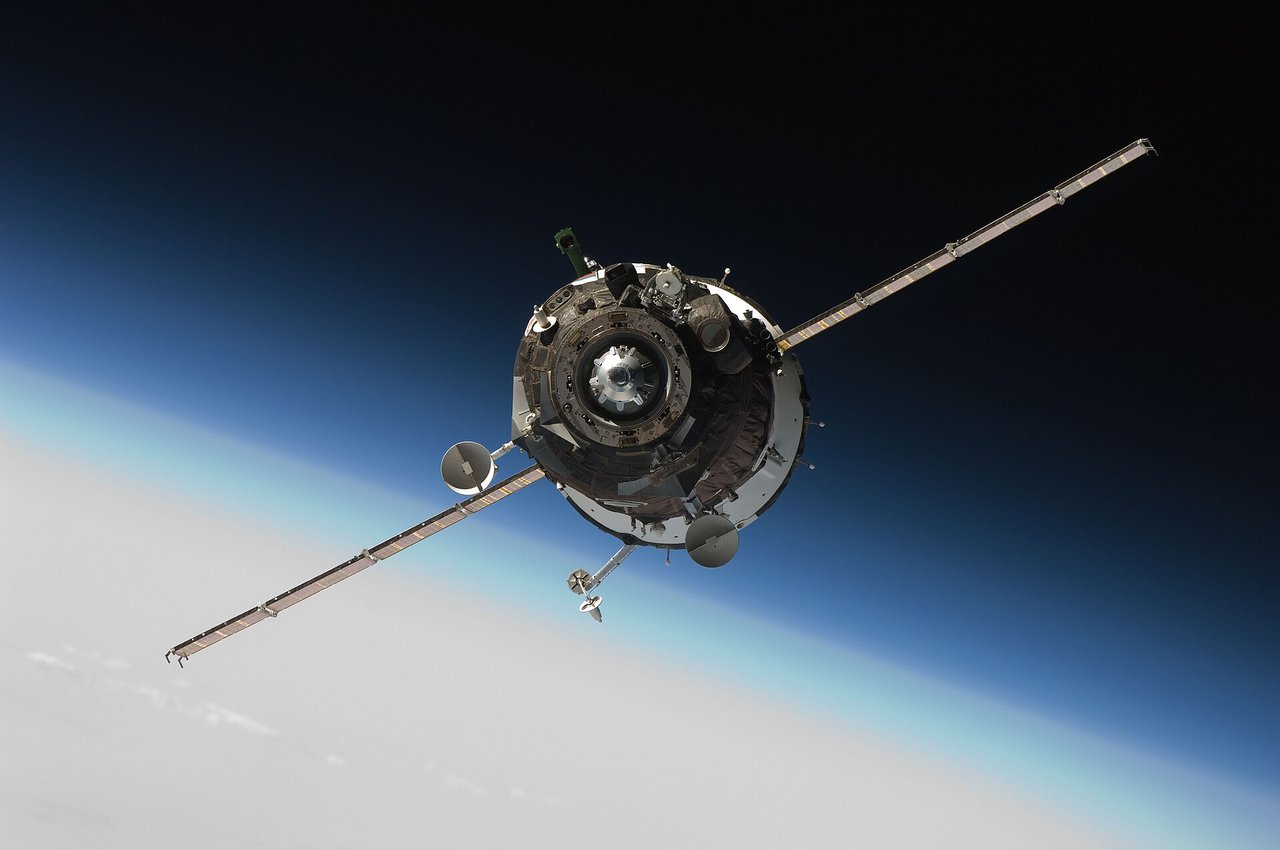
Soyuz crewed spacecraft
The world’s longest-serving crewed spacecraft first flew in 1967. It carries up to three people to and from the ISS and includes a launch escape system.
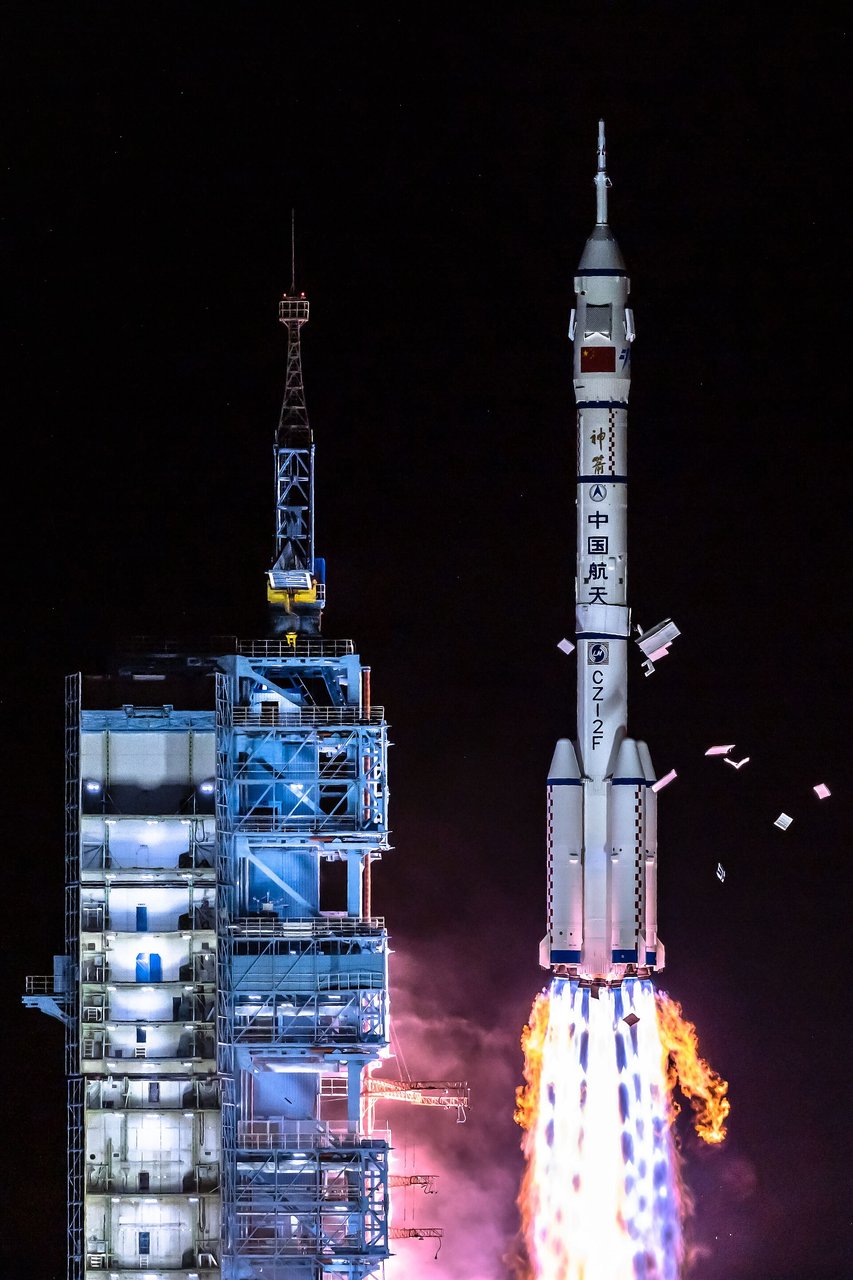
Shenzhou crewed spacecraft
China’s dedicated crew transport first flew without a crew in 1999. Shenzhou 5 carried Yang Liwei on China’s first human spaceflight in 2003. The three-module spacecraft has regularly served Tiangong since Shenzhou 12.
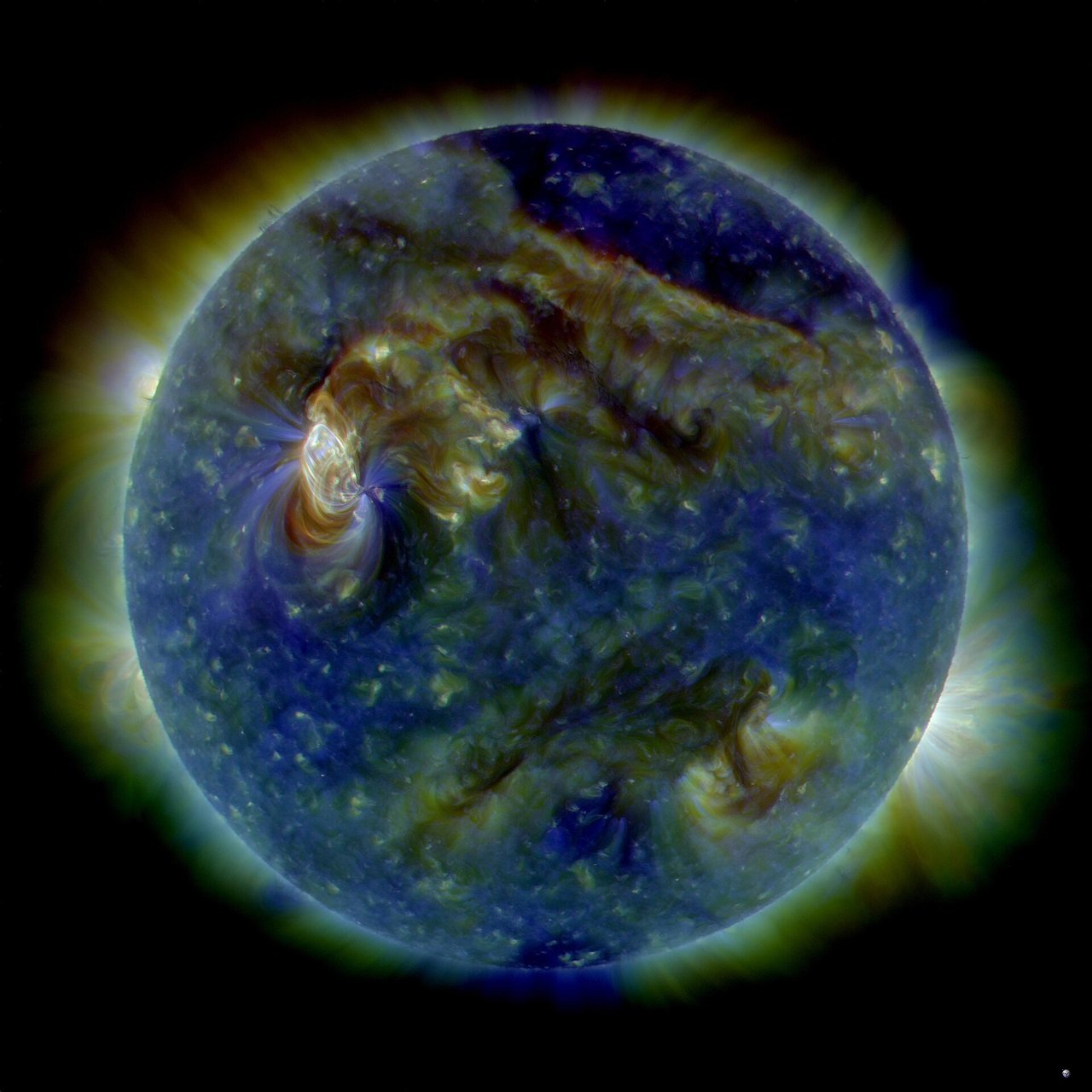
The Sun: what keeps it shining?
The solar system’s central star is a G-type main-sequence star about 1.39 million km across, powered by hydrogen fusion for 4.6 billion years. Sunspots, flares, and coronal mass ejections shape interplanetary space and produce auroras and space weather.
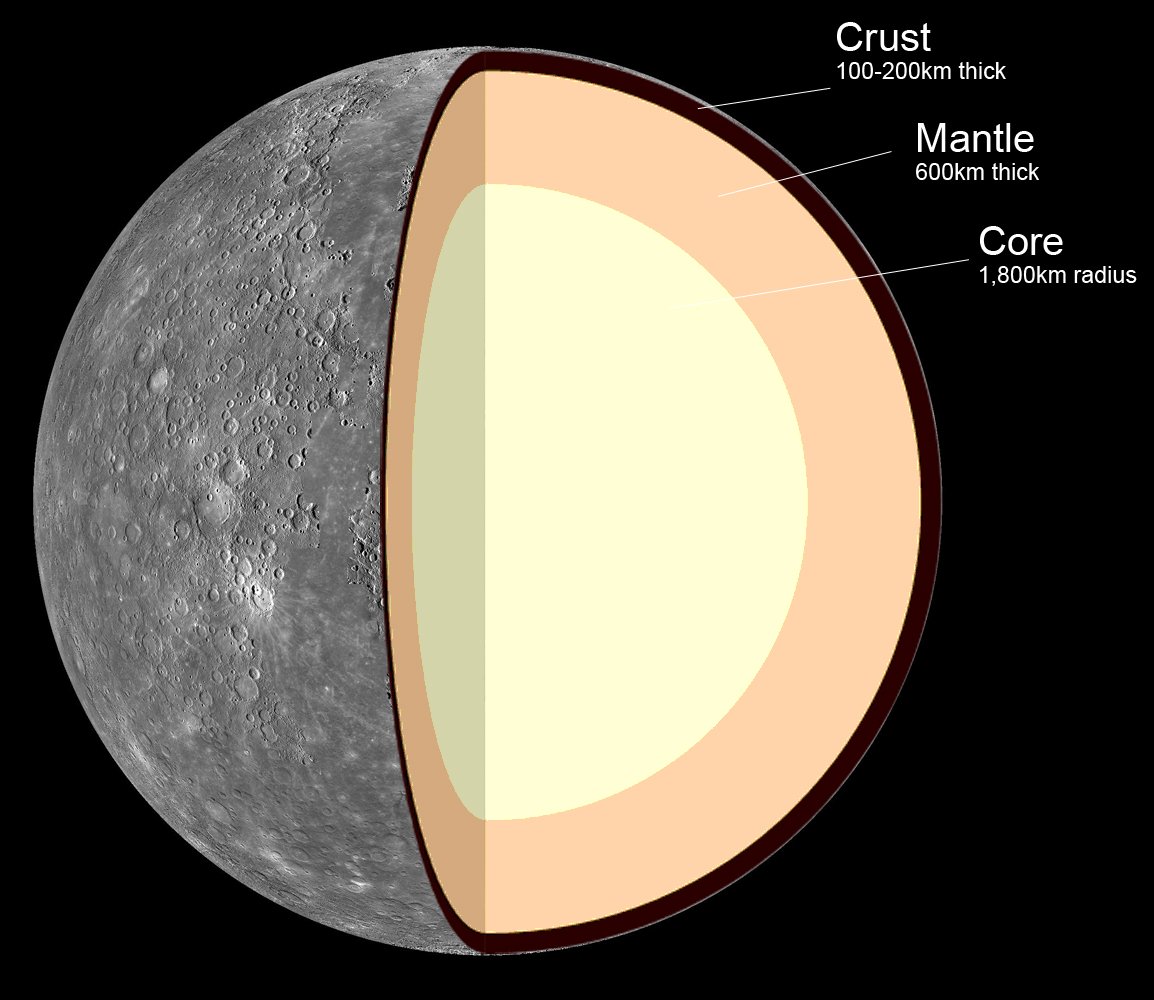
Mercury: ice on the planet closest to the Sun
The smallest planet orbits the Sun in only 88 days. It has a huge iron core extending to about 85% of its radius, a cratered surface, and day–night temperature swings exceeding 600°C, yet water ice survives in polar shadows.
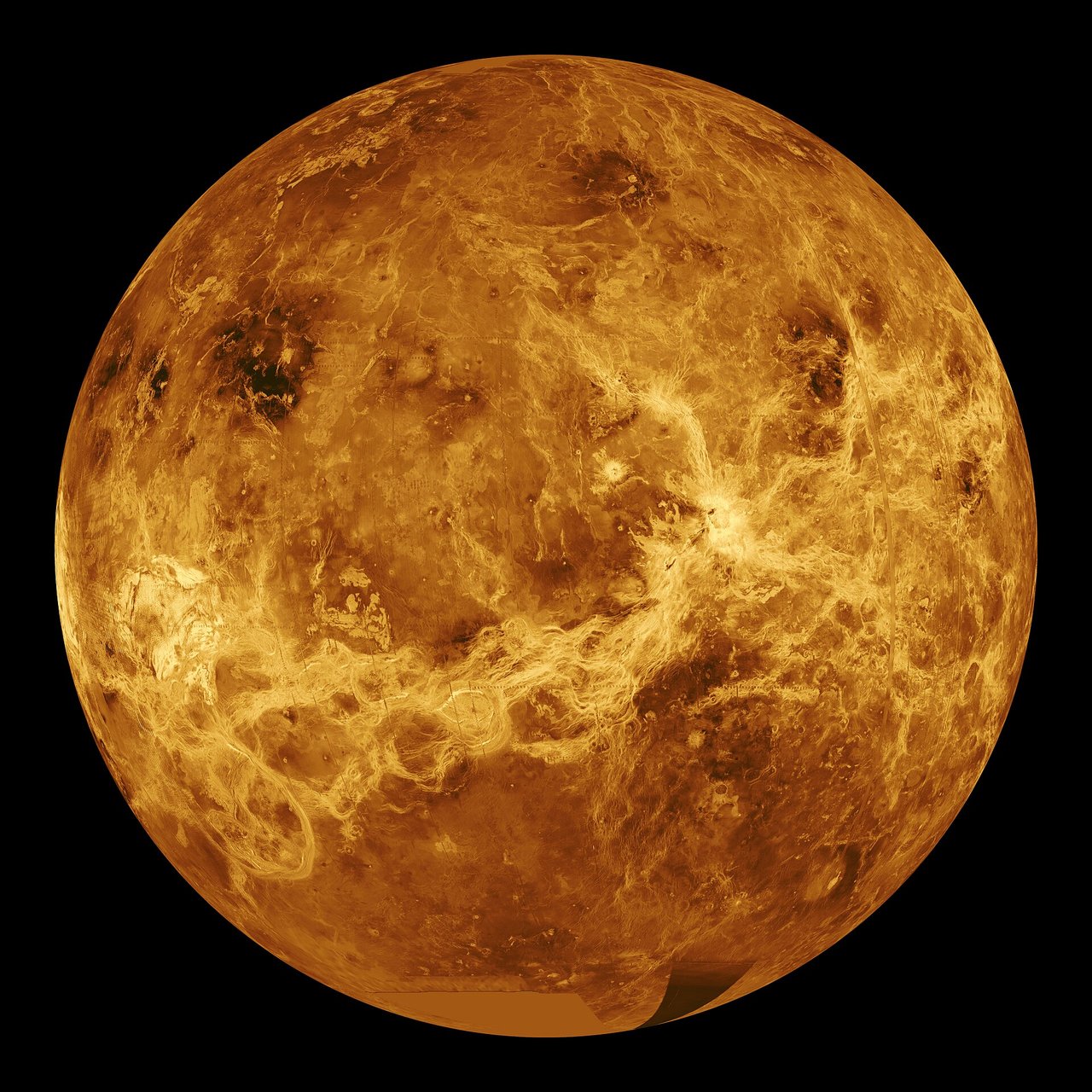
Venus: Earth-sized, but unimaginably hot
The brightest planet in the night sky is 12,104 km across, similar to Earth. Its thick carbon-dioxide atmosphere creates a runaway greenhouse effect: 465°C temperatures, 92 times Earth’s air pressure, and sulfuric-acid rain. It rotates slowly backward, with a day longer than a year. Soviet Venera landers reached its surface, and Magellan mapped 98% by radar.
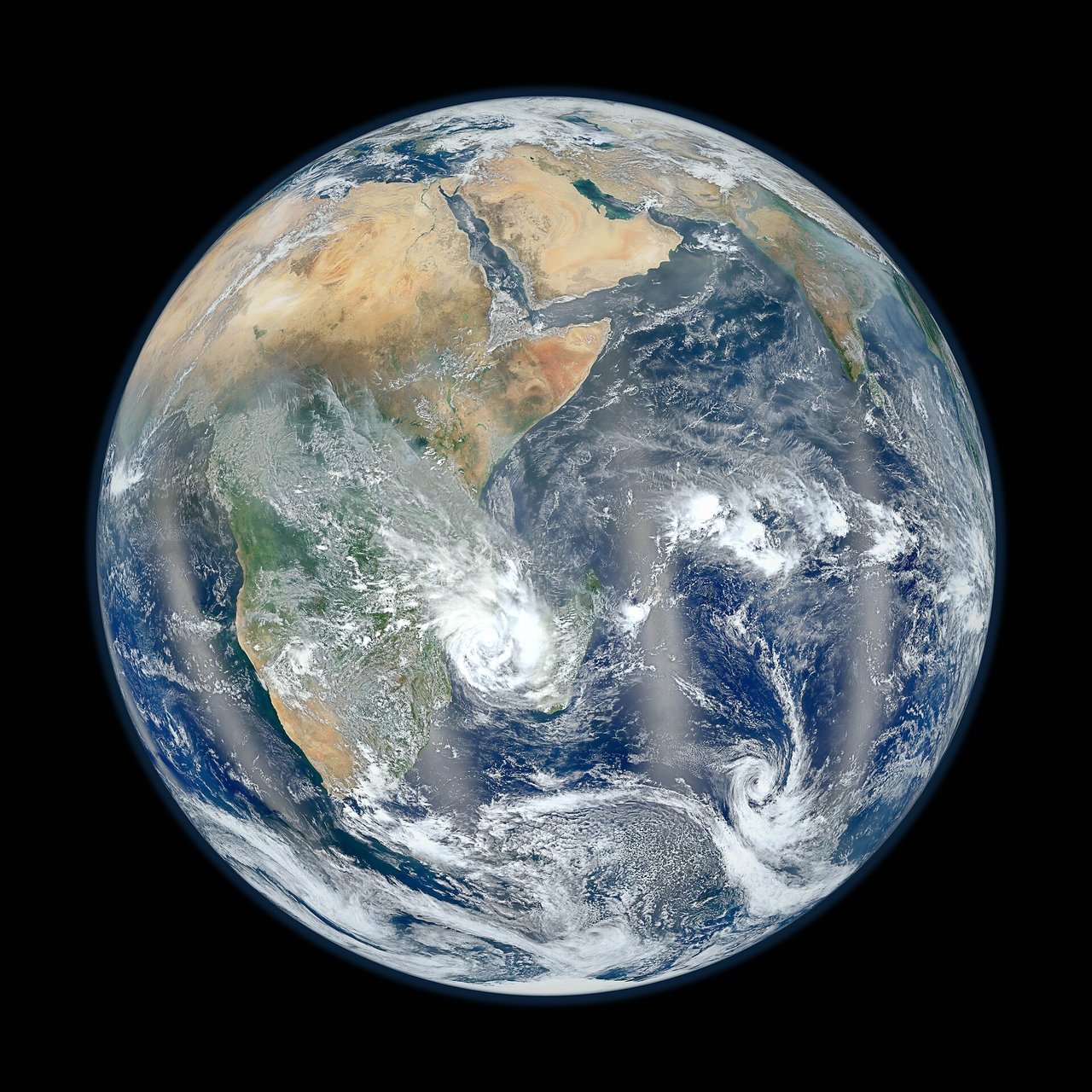
Earth: what makes this blue planet special?
The third planet from the Sun is the only world known to support life. Its mean diameter is about 12,742 km, and it orbits about 149.6 million km from the Sun. Oceans cover 71% of its surface; liquid water, an oxygen-rich atmosphere, and a global magnetic field help make it our Blue Marble.
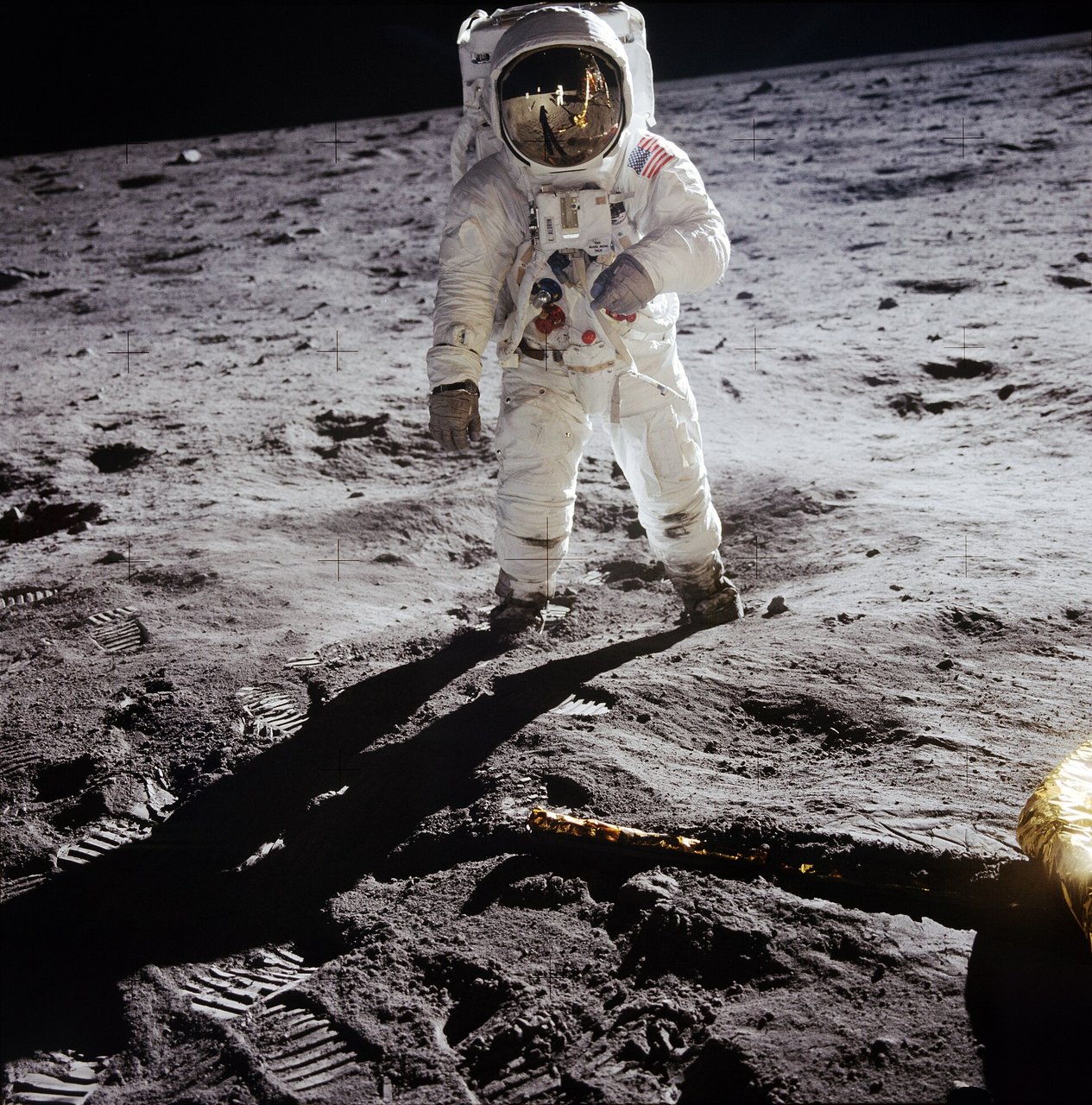
The Moon: why do we always see the same face?
The Moon is tidally locked to Earth: it rotates once in the same time it takes to complete one orbit. That is why nearly the same side always faces us, from an average distance of about 384,400 km.
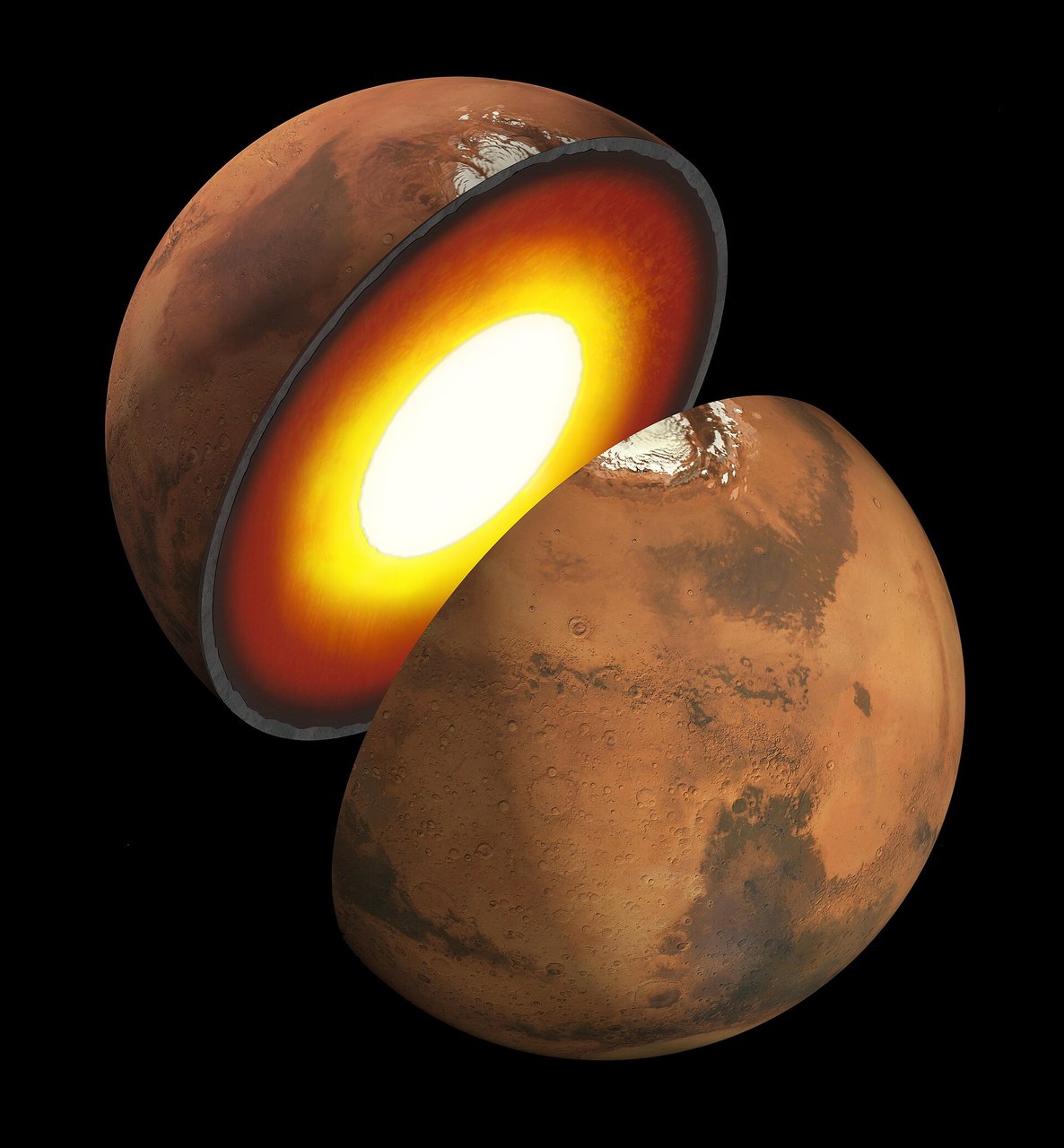
Mars: traces of water in a red desert
Why does Mars look rusty? Its dust is rich in iron oxides. Giant volcanoes, long canyons, and ancient riverbeds make it a prime destination for studying past water and imagining future human landings.
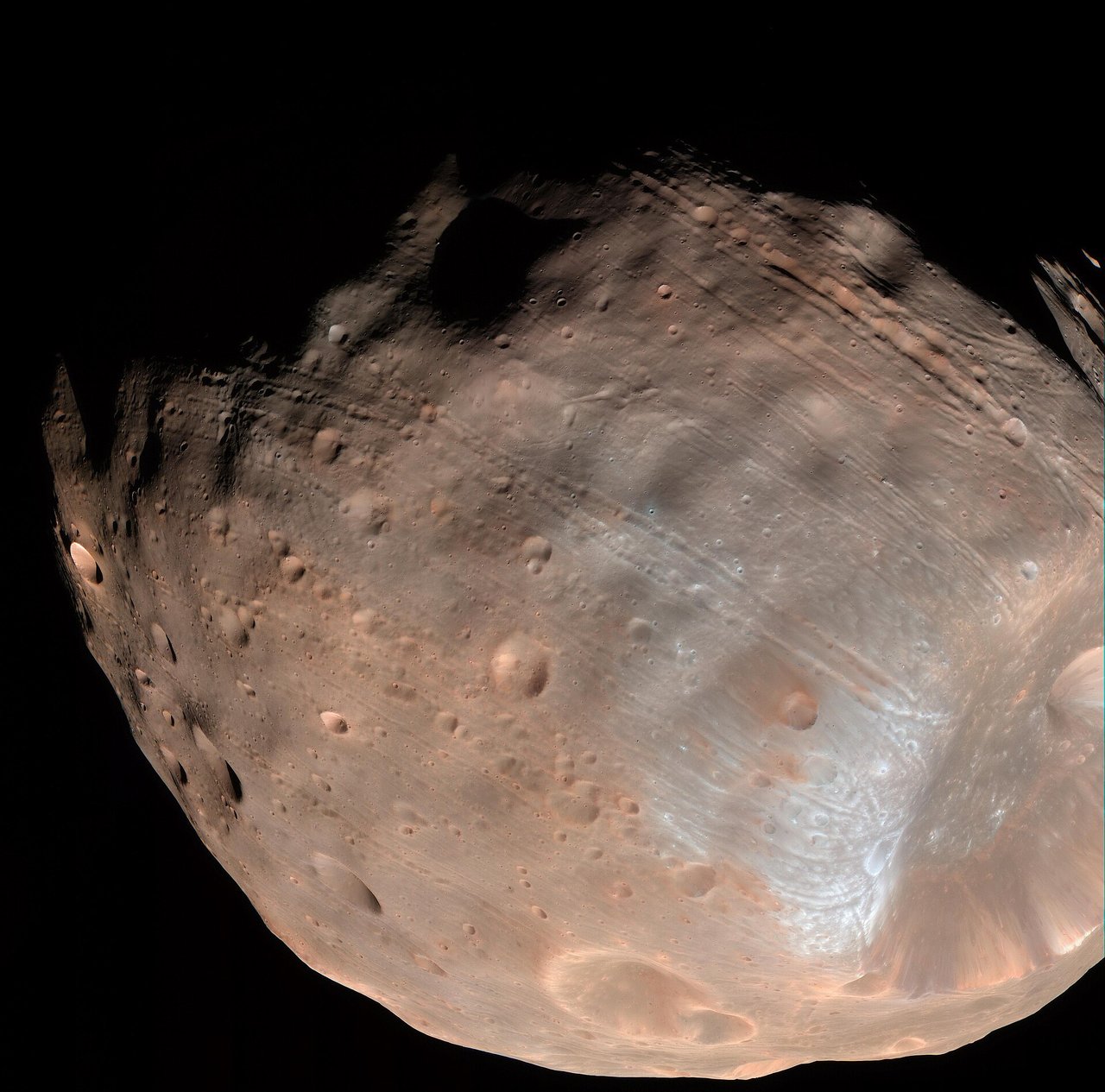
Phobos: a moon slowly approaching Mars
Mars’s largest moon is a potato-shaped body only about 6,000 km above the surface. It moves inward by about 1.8 meters per century and may break apart into a ring tens of millions of years from now.
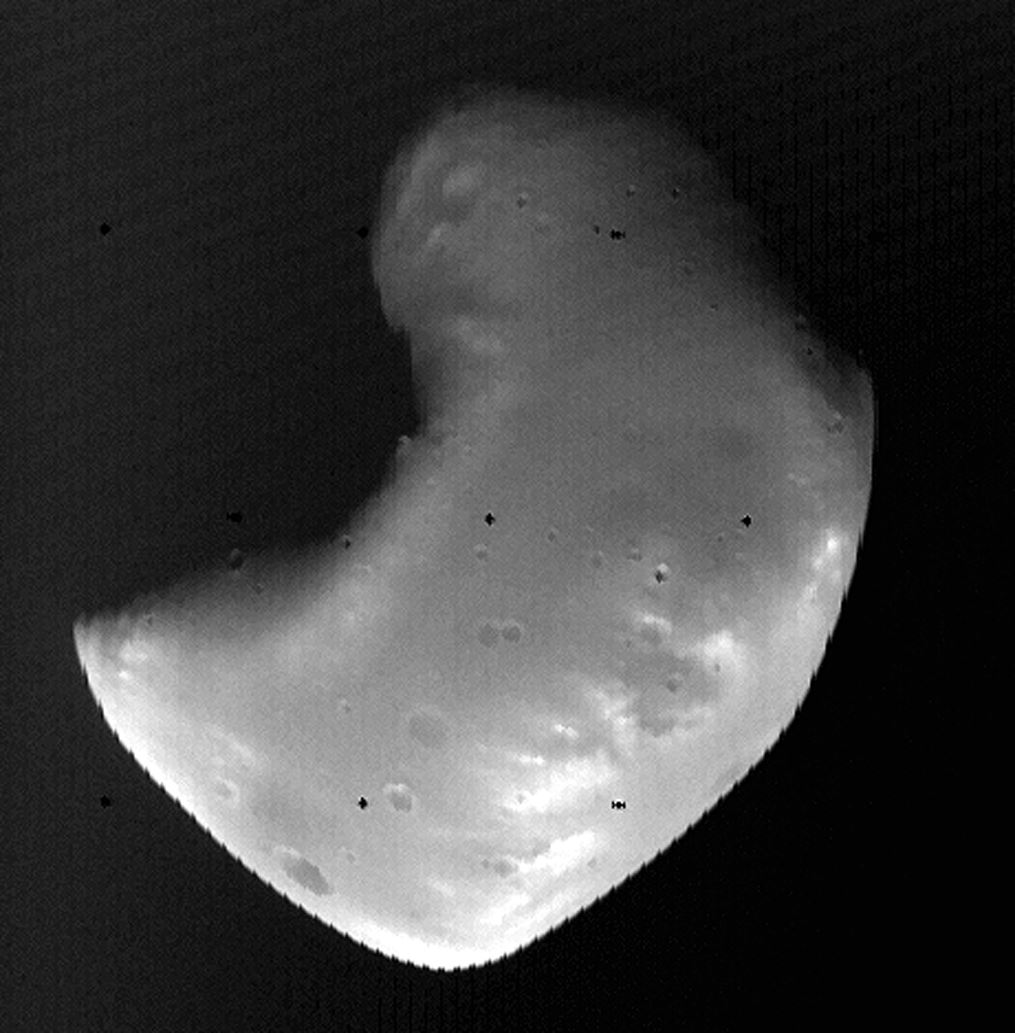
Deimos: Mars’s tiny potato-shaped companion
Mars’s smaller, outer moon is only about 12 km across and covered in a thick layer of dust. It may be a captured asteroid; from the Martian surface it looks like a slowly moving bright star.
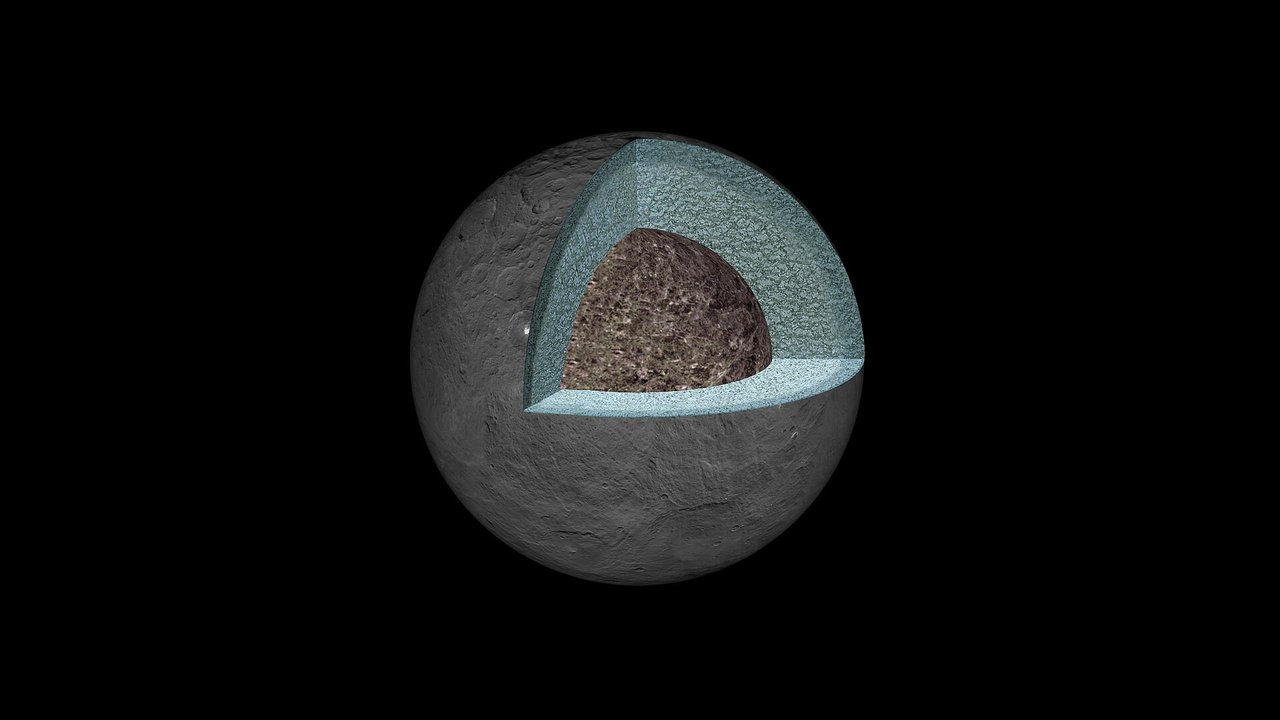
Ceres: who scattered salt in the asteroid belt?
The largest body in the asteroid belt is also its only dwarf planet. Dawn revealed remnant salty water beneath its icy crust and bright salt deposits in Occator Crater.
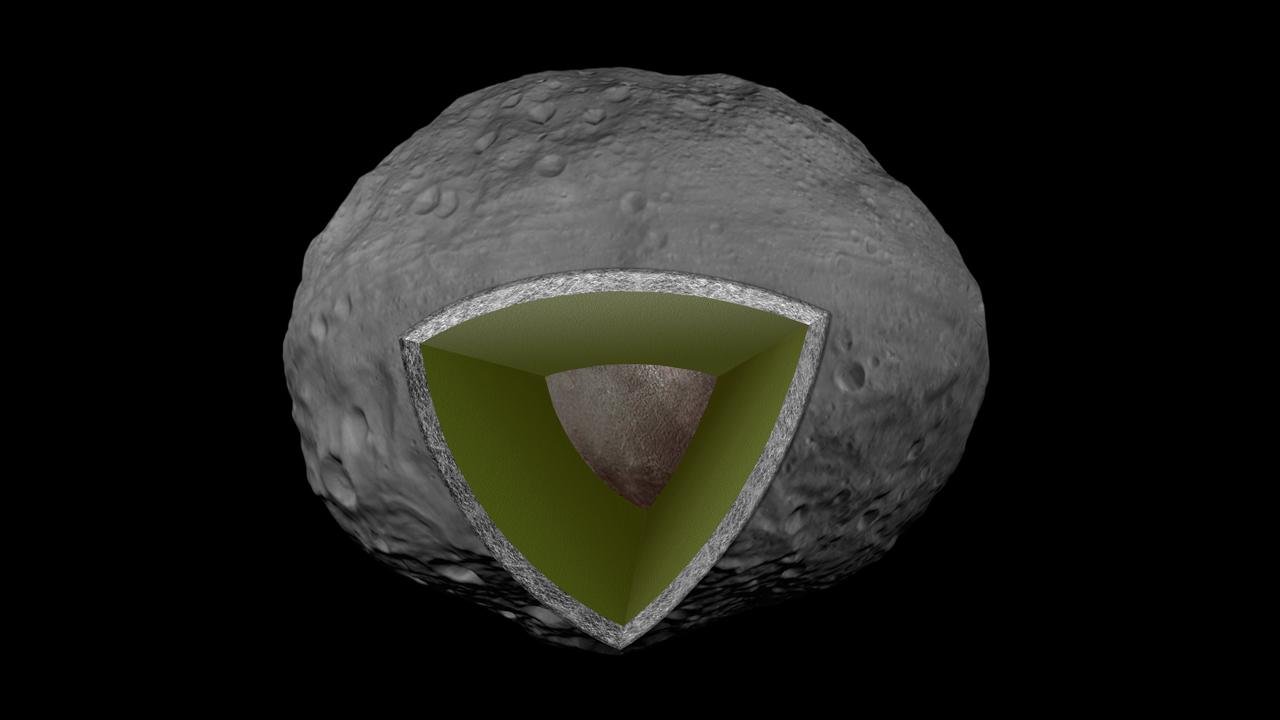
Vesta: some meteorites on Earth came from here
The main belt’s second most massive asteroid is about 525 km across. It differentiated early into an iron core, mantle, and crust. The huge Rheasilvia impact nearly shattered it, ejecting fragments that reached Earth as HED meteorites. Dawn became its first orbiter in 2011.
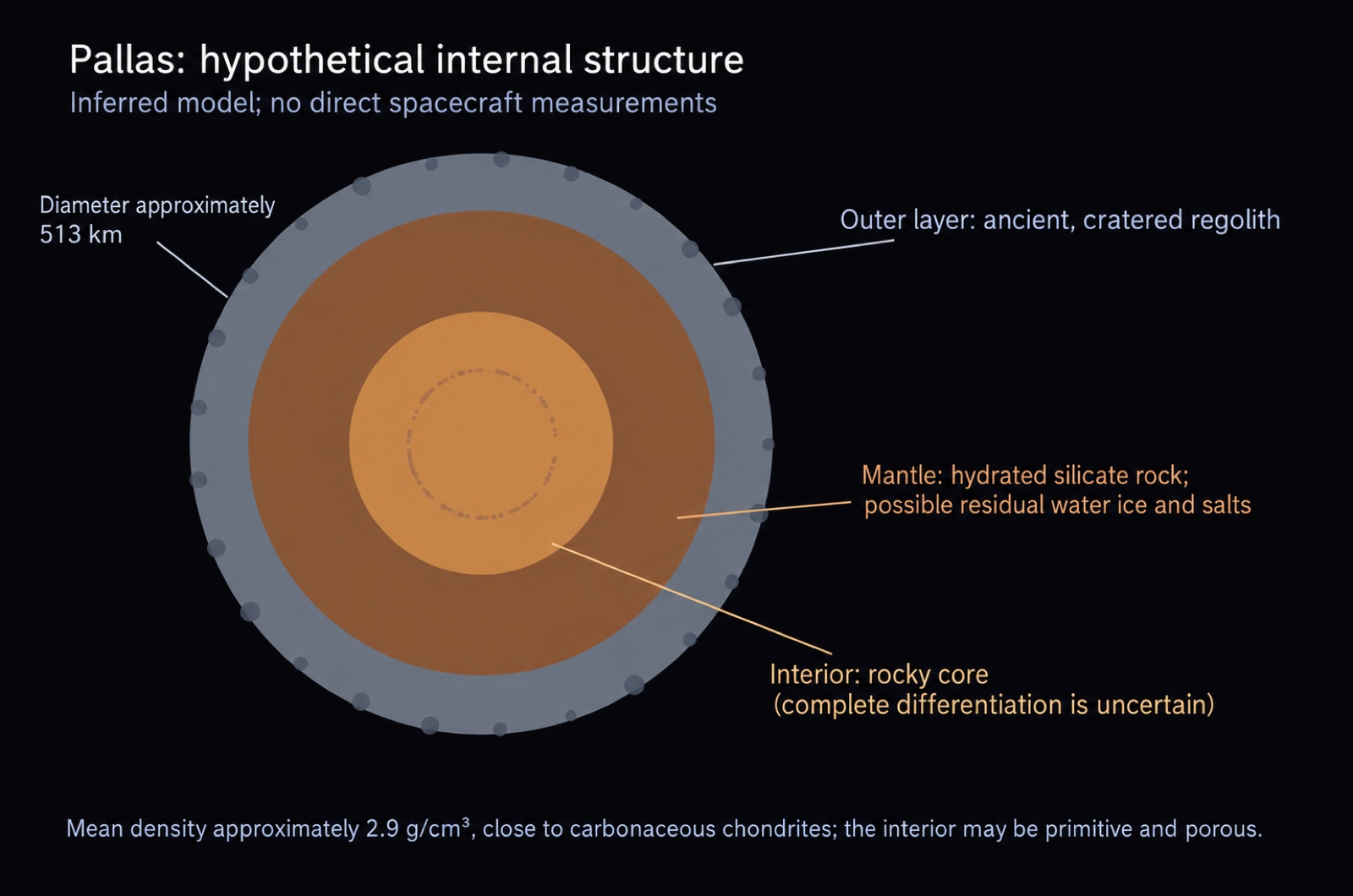
Pallas: an unusually tilted orbit
The second asteroid discovered, in 1802, is the main belt’s third-largest body. Its orbit is inclined by about 35°, its surface is heavily cratered, and no spacecraft has visited it.
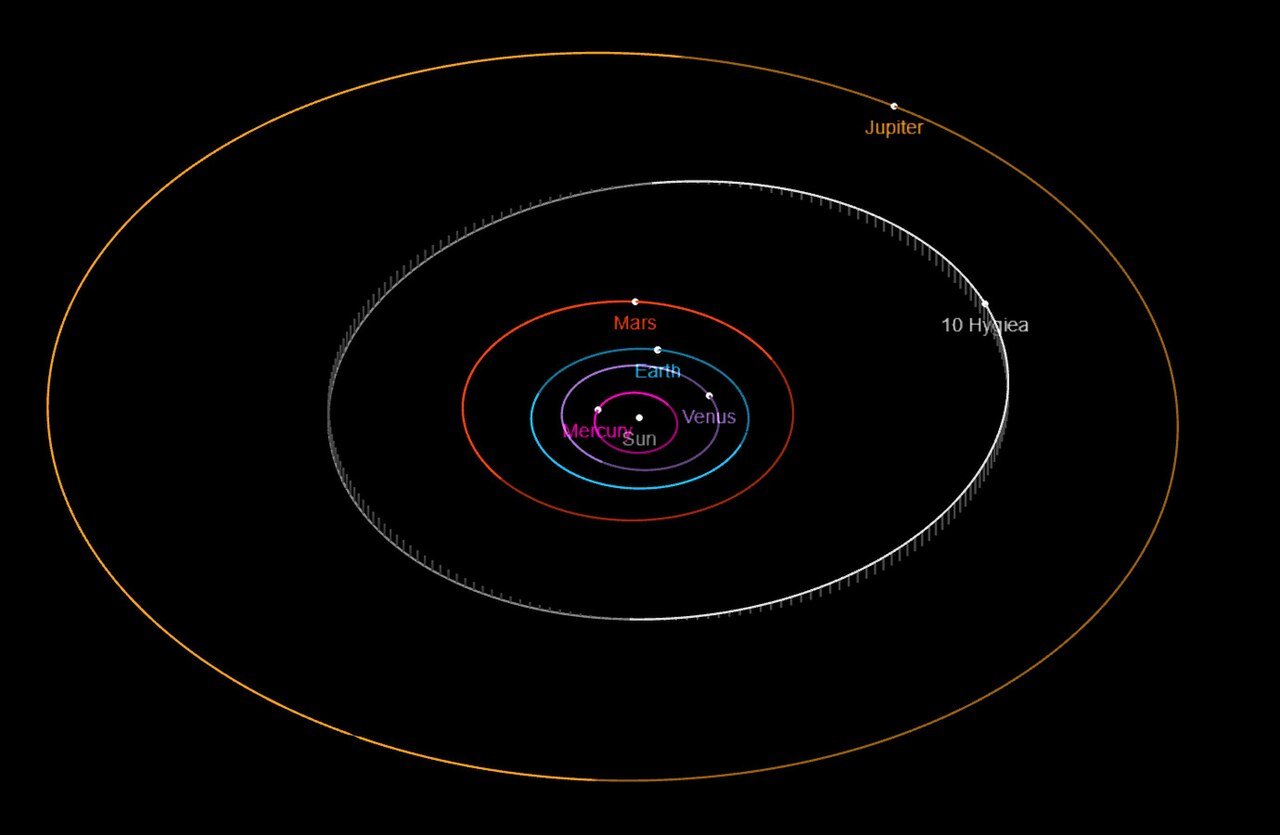
Hygiea: did a collision make it round?
The main belt’s fourth-largest body is its largest carbonaceous asteroid. Very Large Telescope observations in 2019 found it nearly spherical, perhaps after reassembly following a giant impact about two billion years ago, making it a candidate for the smallest dwarf planet.
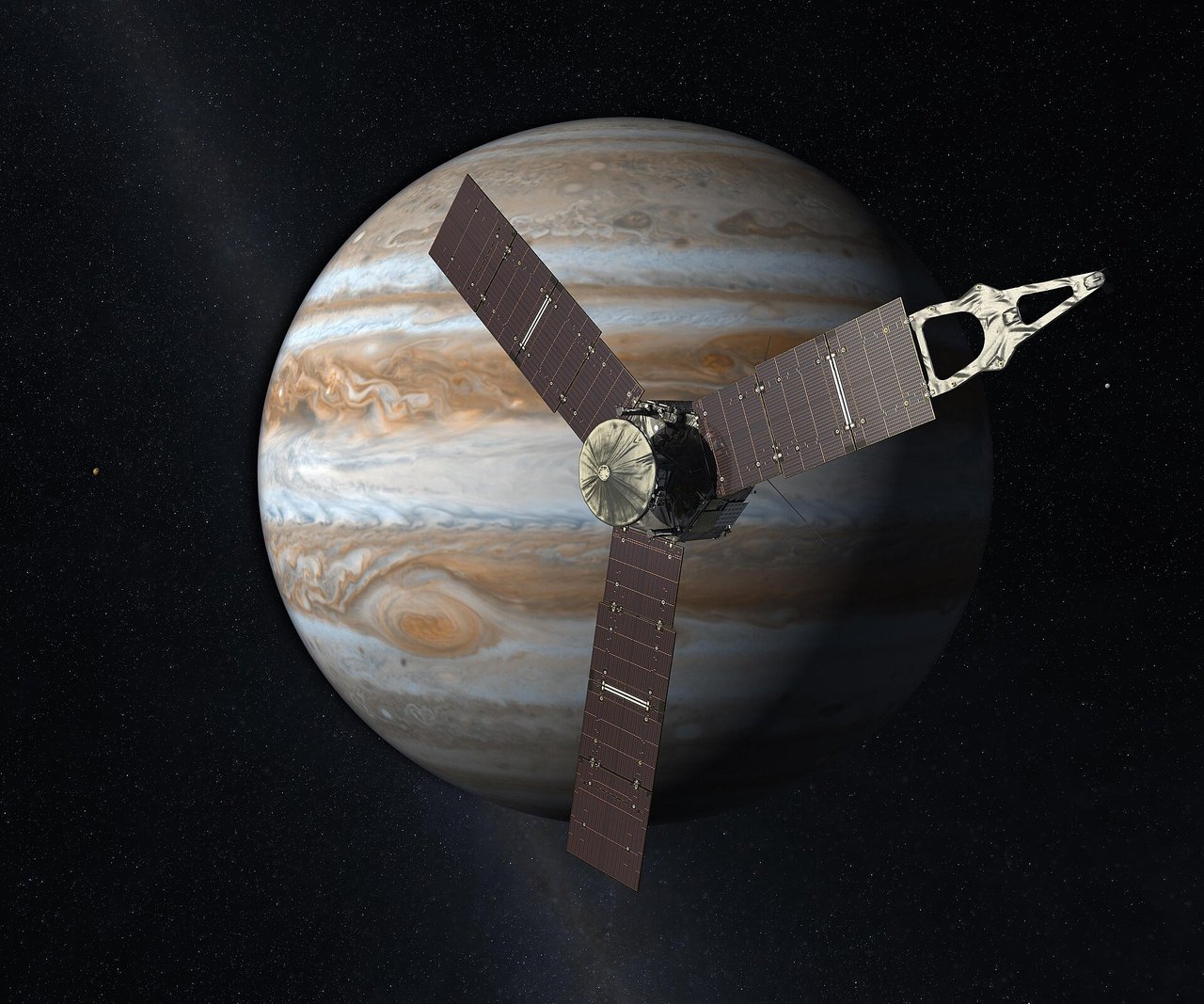
Jupiter: a storm that lasts for centuries
Jupiter could hold about a thousand Earths but has no solid ground to stand on. Its stripes are fast-moving cloud bands, and its Great Red Spot is a giant storm that has persisted for centuries.
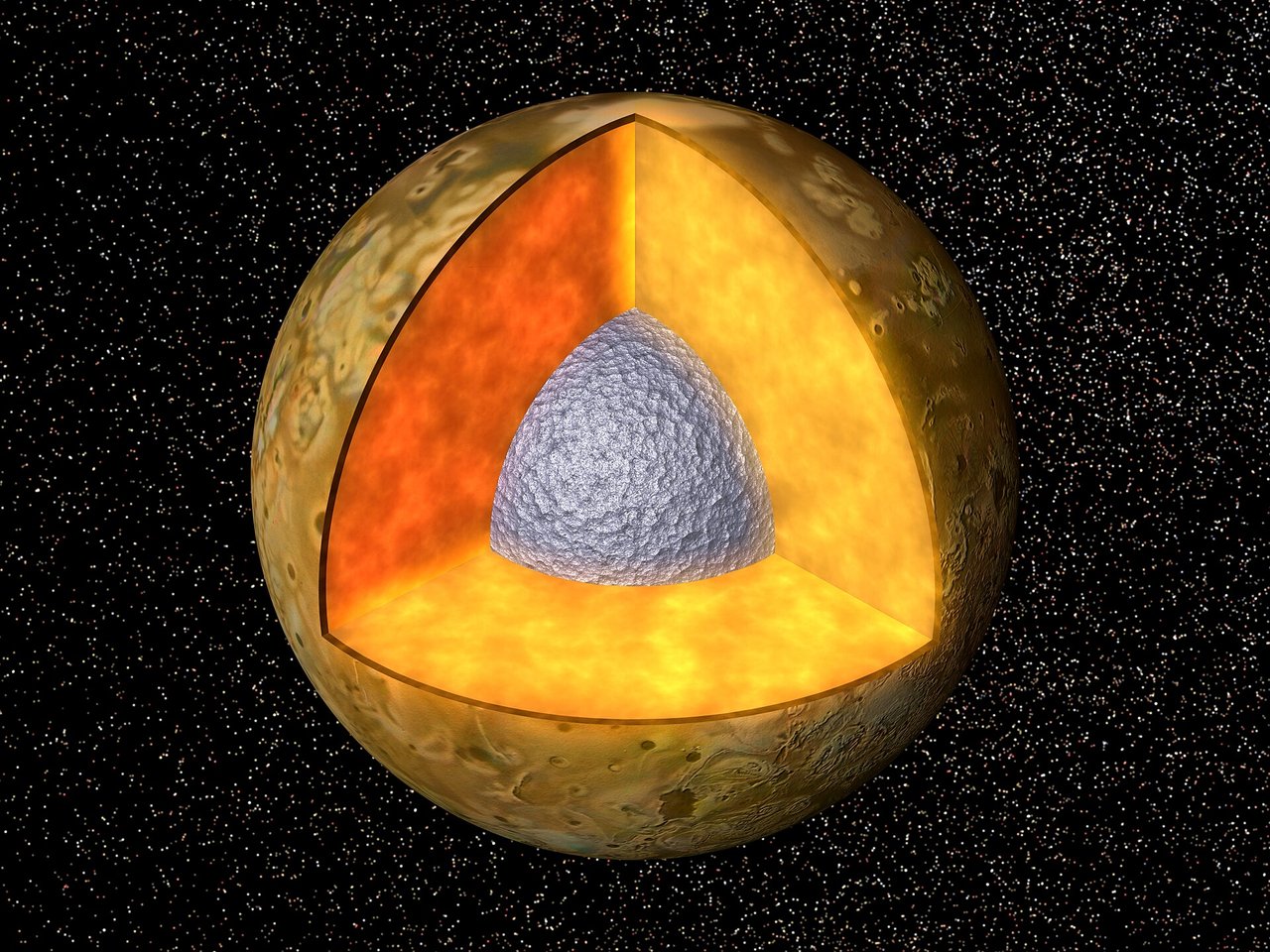
Io: volcanoes powered by gravity
Jupiter’s innermost Galilean moon is the solar system’s most volcanically active world. Tidal heating powers more than 400 active volcanoes; sulfur colors its surface, where impact craters are almost absent.
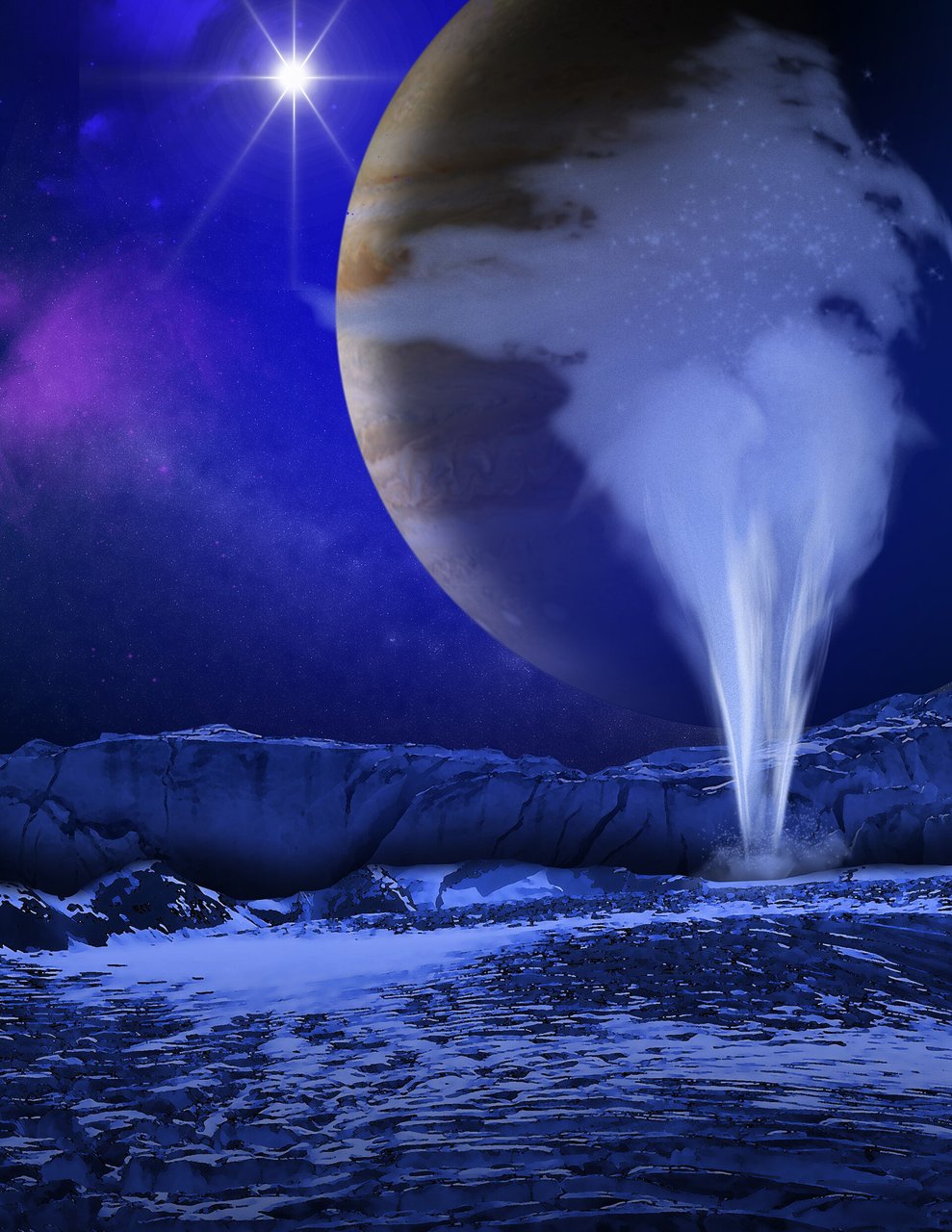
Europa: an ocean beneath the ice?
Slightly smaller than our Moon, Europa hides a global ocean beneath its icy shell, containing roughly twice the water in Earth’s oceans. It is a leading target in the search for life. Europa Clipper launched in 2024 and is due to arrive in 2030.
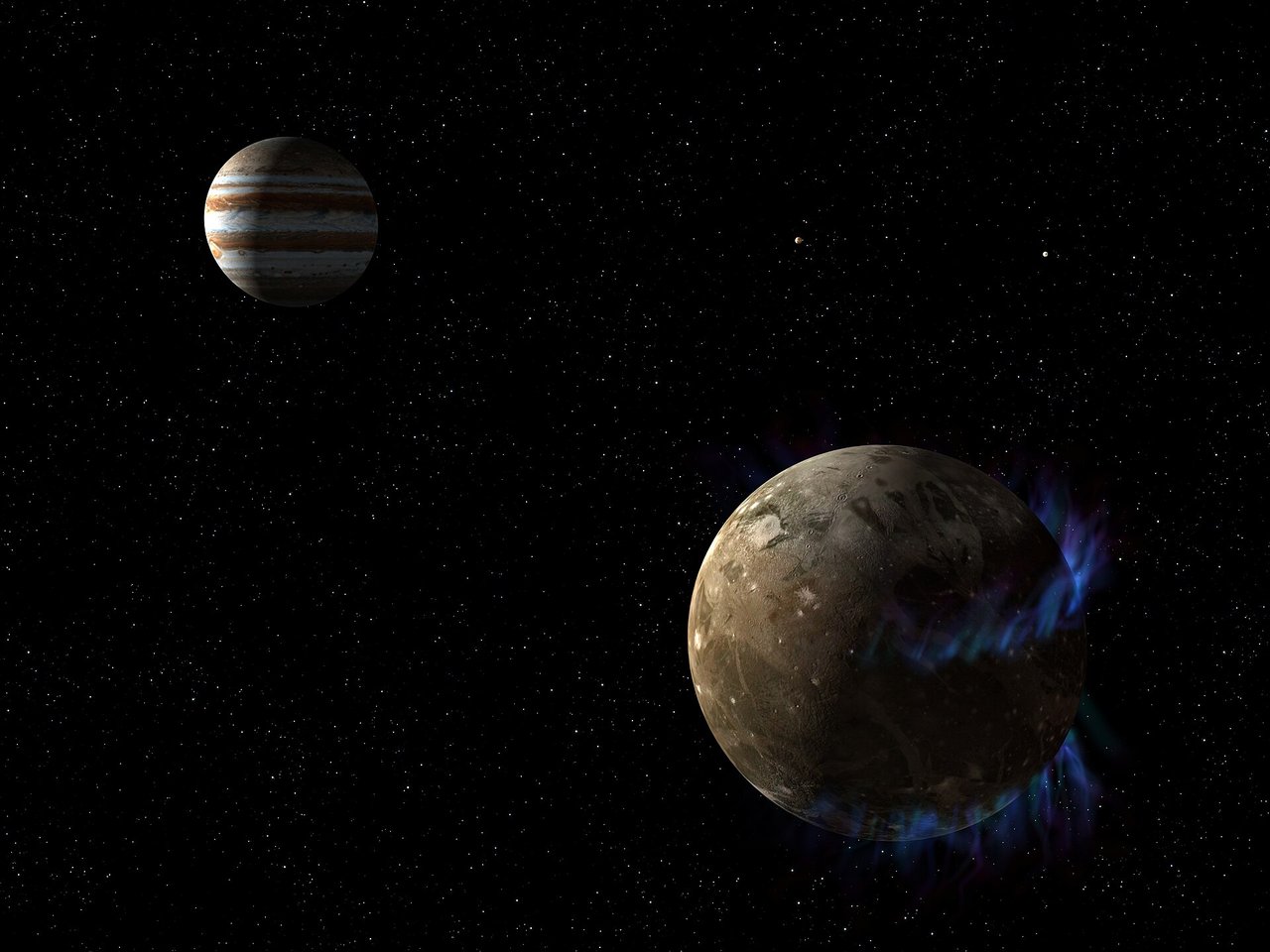
Ganymede: a moon larger than Mercury
At 5,268 km across, the solar system’s largest moon exceeds Mercury in size and has its own intrinsic magnetic field. Beneath its ice may lie more liquid water than in all Earth’s oceans. ESA’s JUICE is scheduled to enter orbit around it in December 2034.
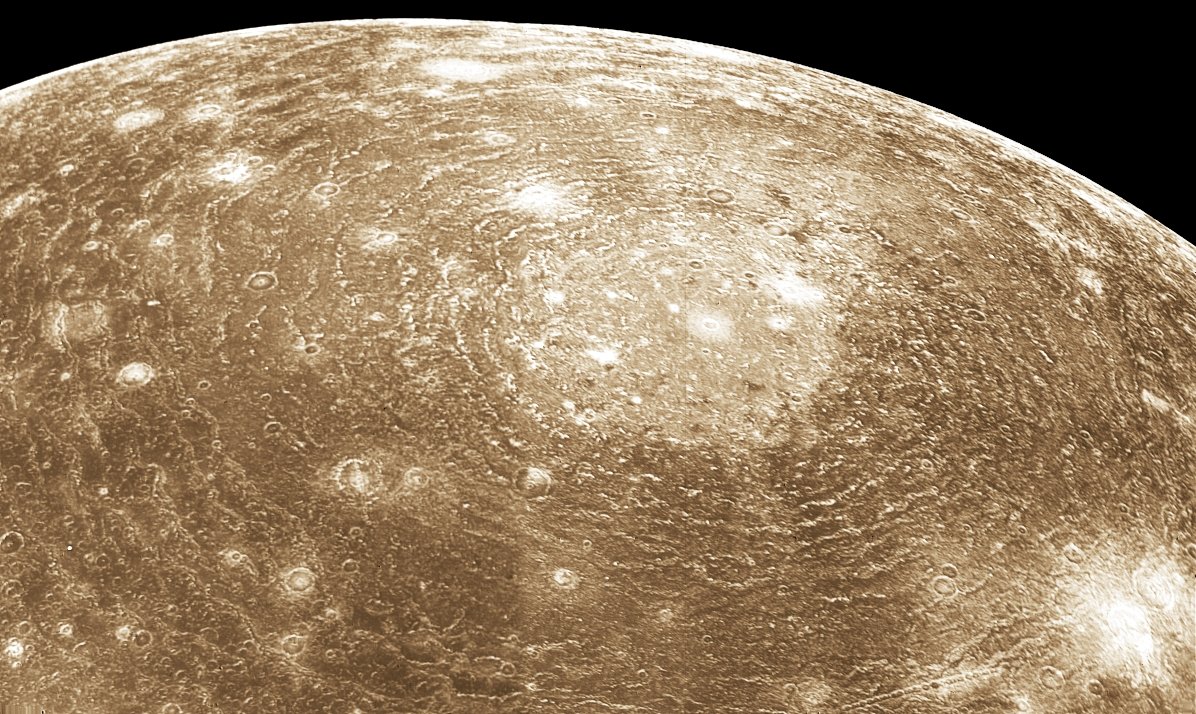
Callisto: ancient history written in craters
Callisto is 4,821 km across, with an ancient, heavily cratered surface and the huge Valhalla multi-ring basin. A salty ocean may lie below the ice. Its location beyond Jupiter’s intense radiation belts makes it an attractive candidate for future human exploration.
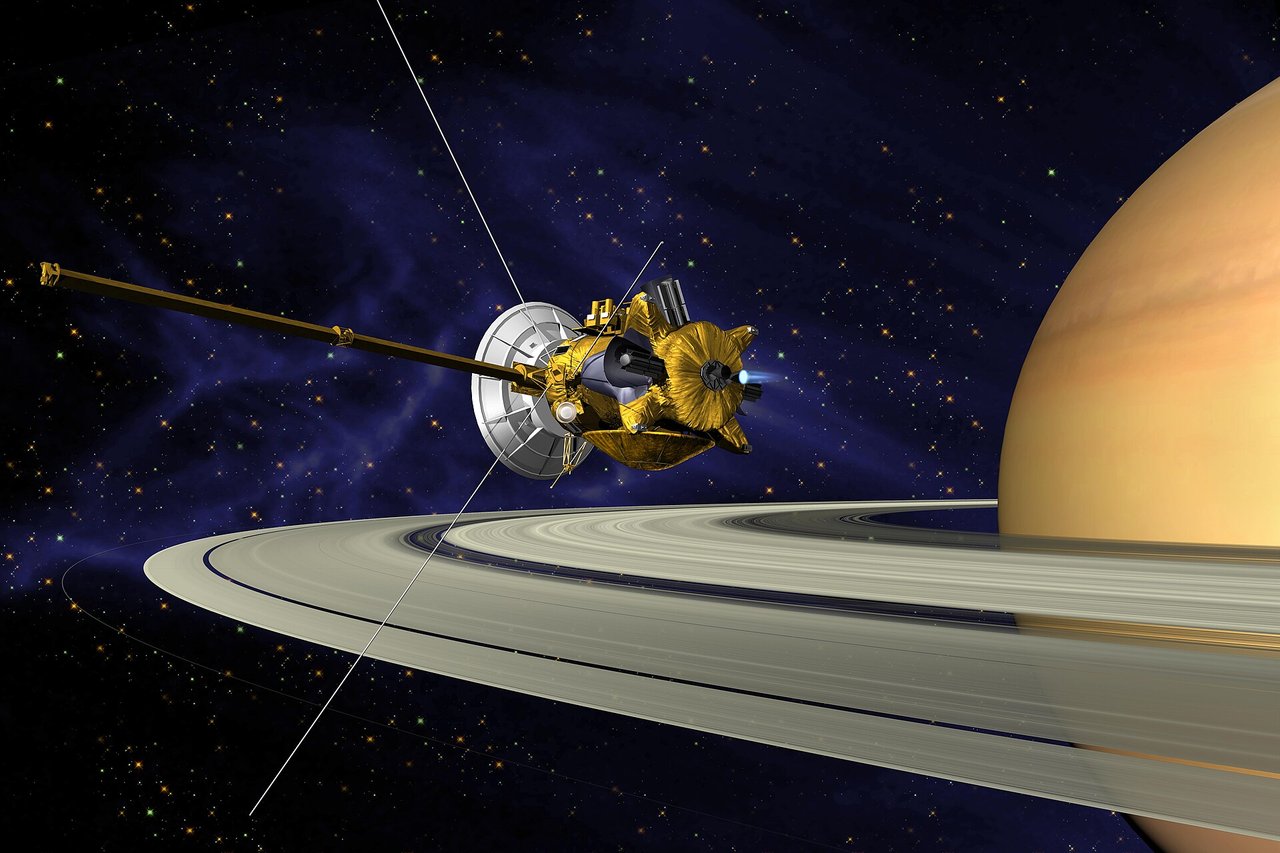
Saturn: what are those beautiful rings?
Saturn’s rings look like a solid record, but consist of countless pieces of ice and rock. It is the only planet with a mean density lower than water and has a hexagonal storm pattern near its north pole.
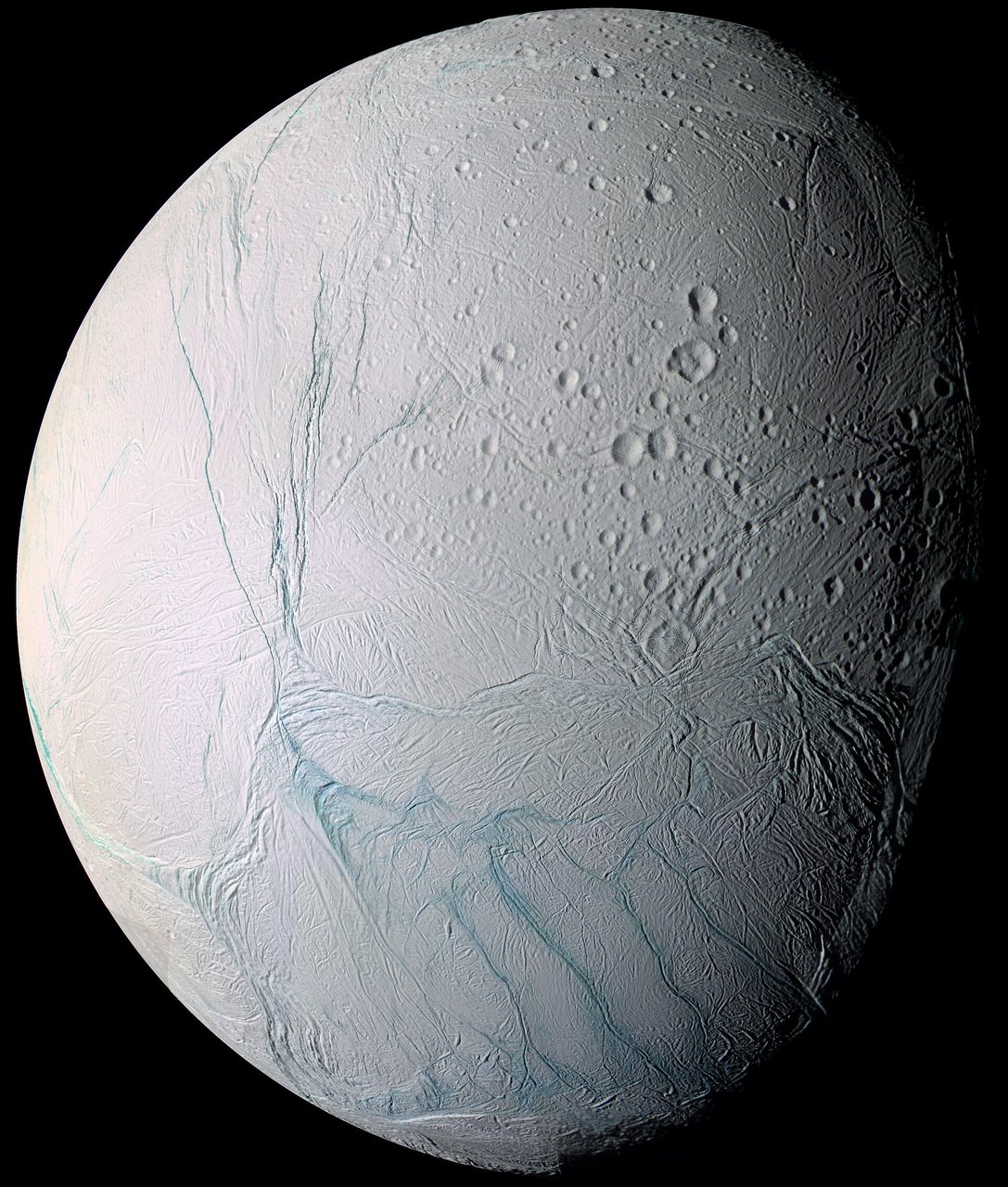
Enceladus: spraying an ocean into space
This icy moon is only 504 km across. Plumes erupt from south-polar tiger-stripe fractures above a global salty ocean with hydrothermal activity, making it one of the most promising places to search for extraterrestrial life.
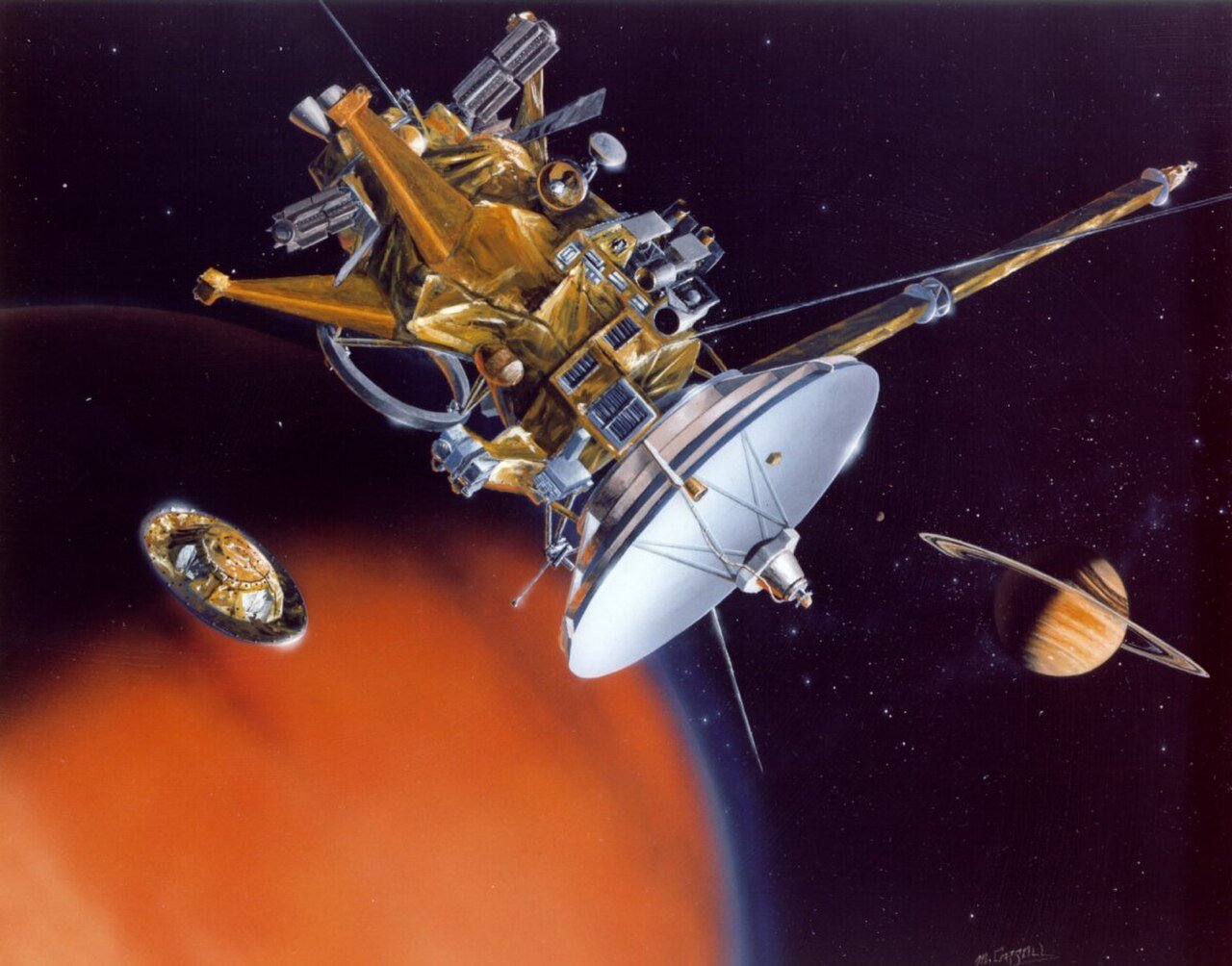
Titan: rain that isn’t water
Saturn’s largest moon is the only moon with a thick atmosphere. Below its orange haze, methane forms clouds, rain, lakes, and seas; a global liquid-water ocean lies beneath the ice. Huygens landed in 2005, and the Dragonfly rotorcraft is expected in 2034.
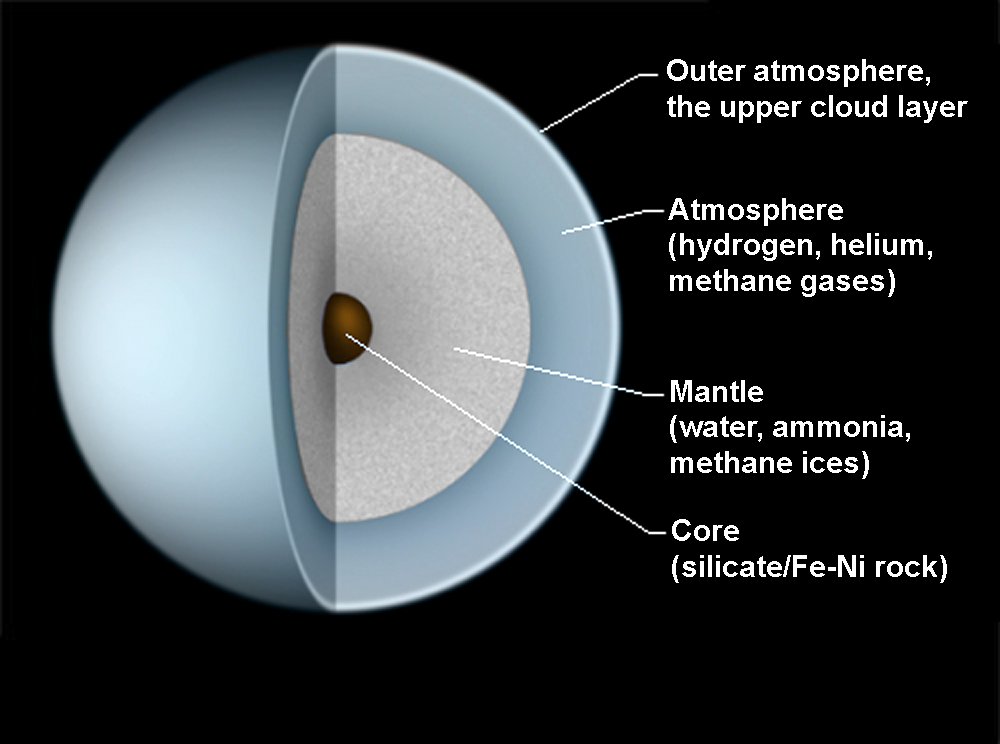
Uranus: why does it orbit on its side?
The seventh planet is a pale blue-green ice giant tilted by about 98°. Its atmosphere reaches roughly −224°C, the coldest measured for any planet. Voyager 2’s 1986 flyby remains the only visit, with a future orbiter being planned.
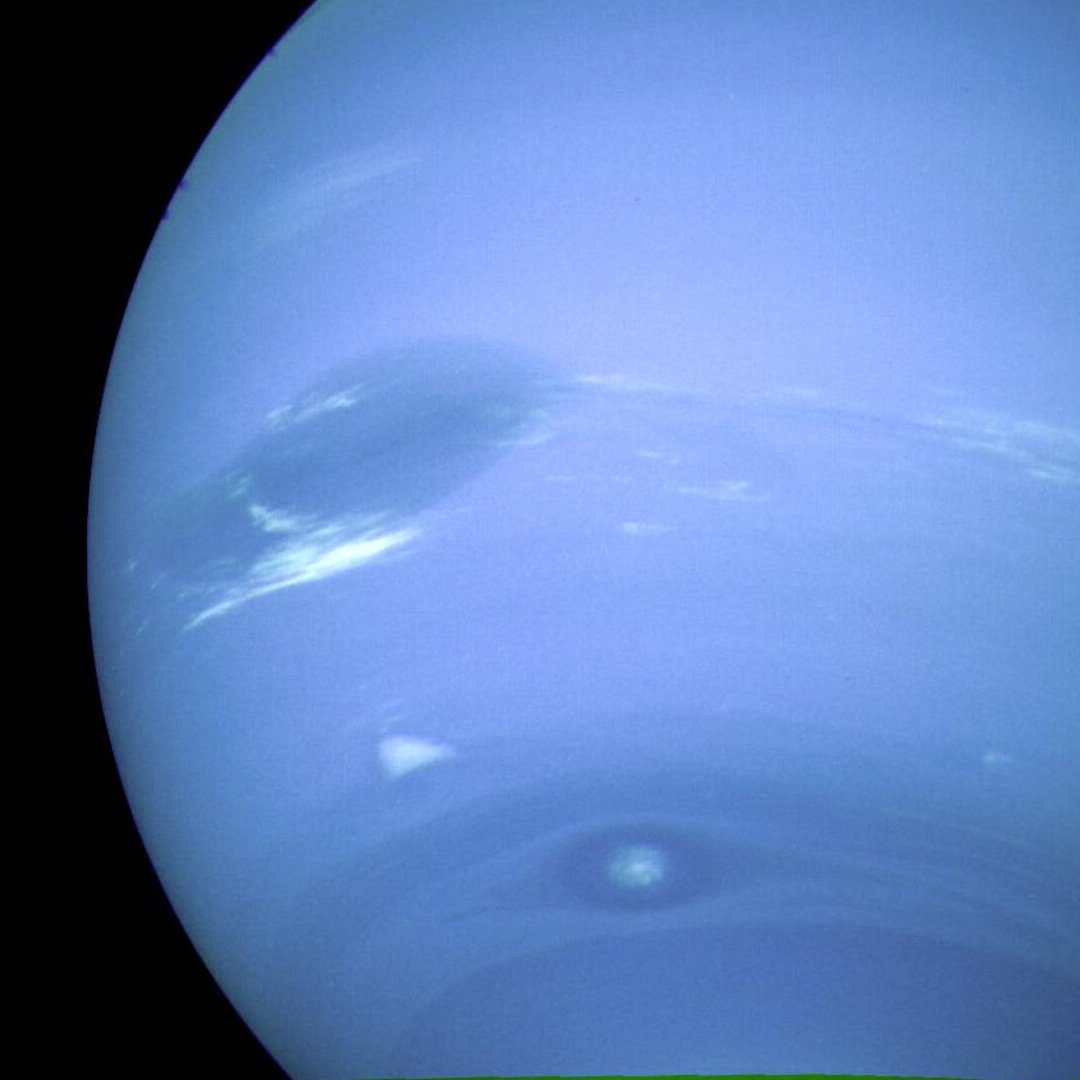
Neptune: calculated before it was seen
The most distant planet is a blue ice giant predicted mathematically before telescopes found it. It has winds exceeding 2,000 km/h and dark storms that can disappear. Voyager 2 made the only visit in 1989.
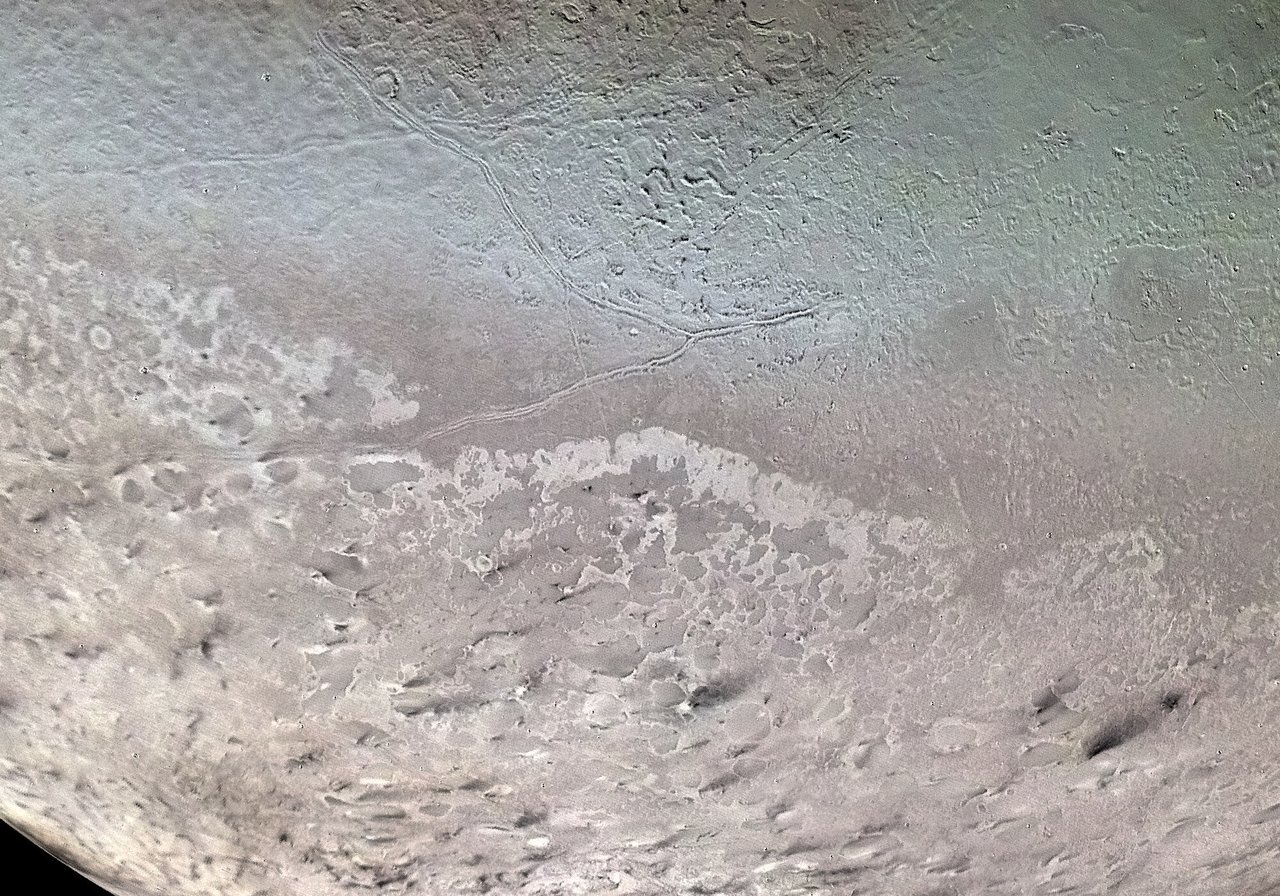
Triton: the story of a backward-orbiting moon
Neptune’s largest moon is the only large moon in a retrograde orbit and may be a captured Kuiper Belt object. Its surface can reach −235°C yet has nitrogen geysers and a pinkish nitrogen-ice cap. Billions of years from now, tides may tear it into an icy ring.
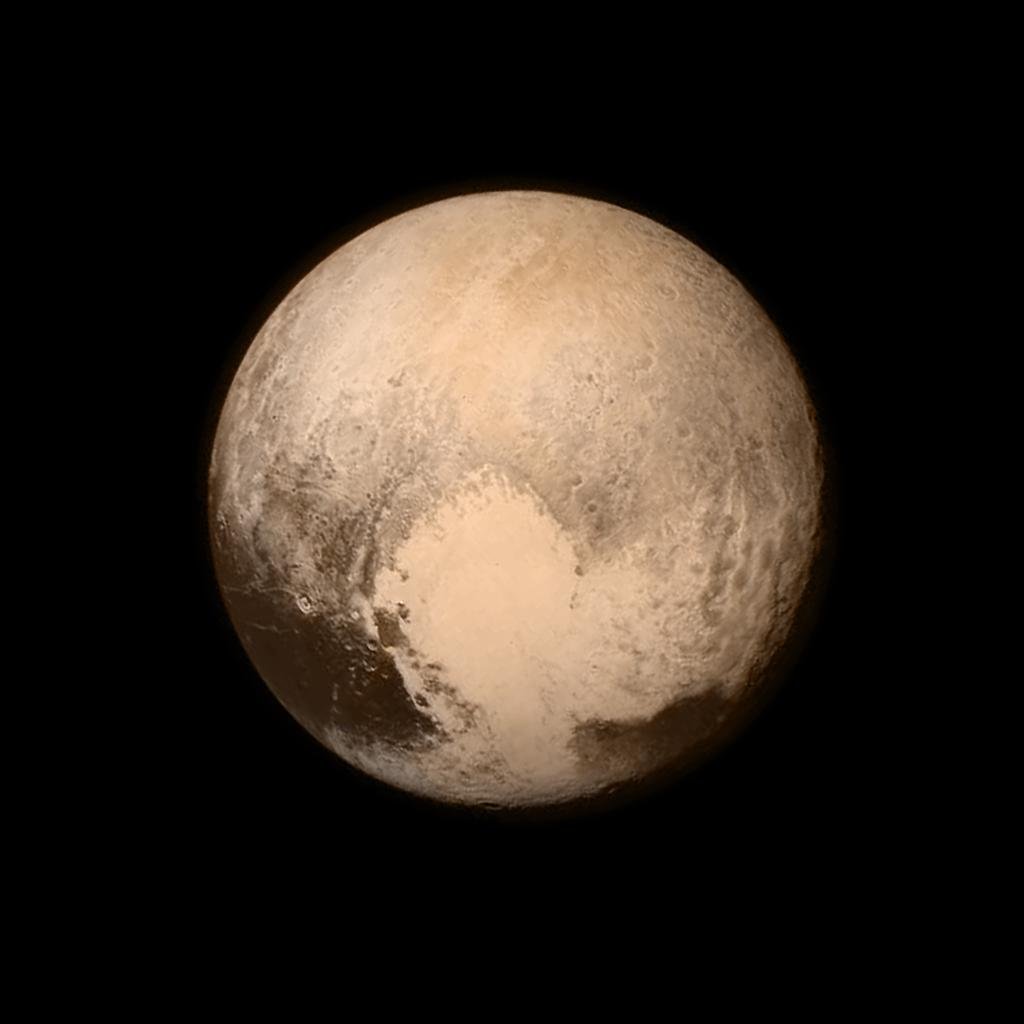
Pluto: no longer a planet, but full of surprises
Once the ninth planet, Pluto was reclassified as a dwarf planet in 2006. New Horizons revealed active geology in 2015: heart-shaped nitrogen-ice plains, water-ice mountains, and a possible ocean beneath its icy crust.

Haumea: spinning a sphere into an ellipsoid
This unusual Kuiper Belt dwarf planet spins once in about 3.9 hours, stretching into a three-axis ellipsoid. It has a narrow ring, two moons named after daughters of a Hawaiian goddess, and a surface dominated by crystalline water ice.
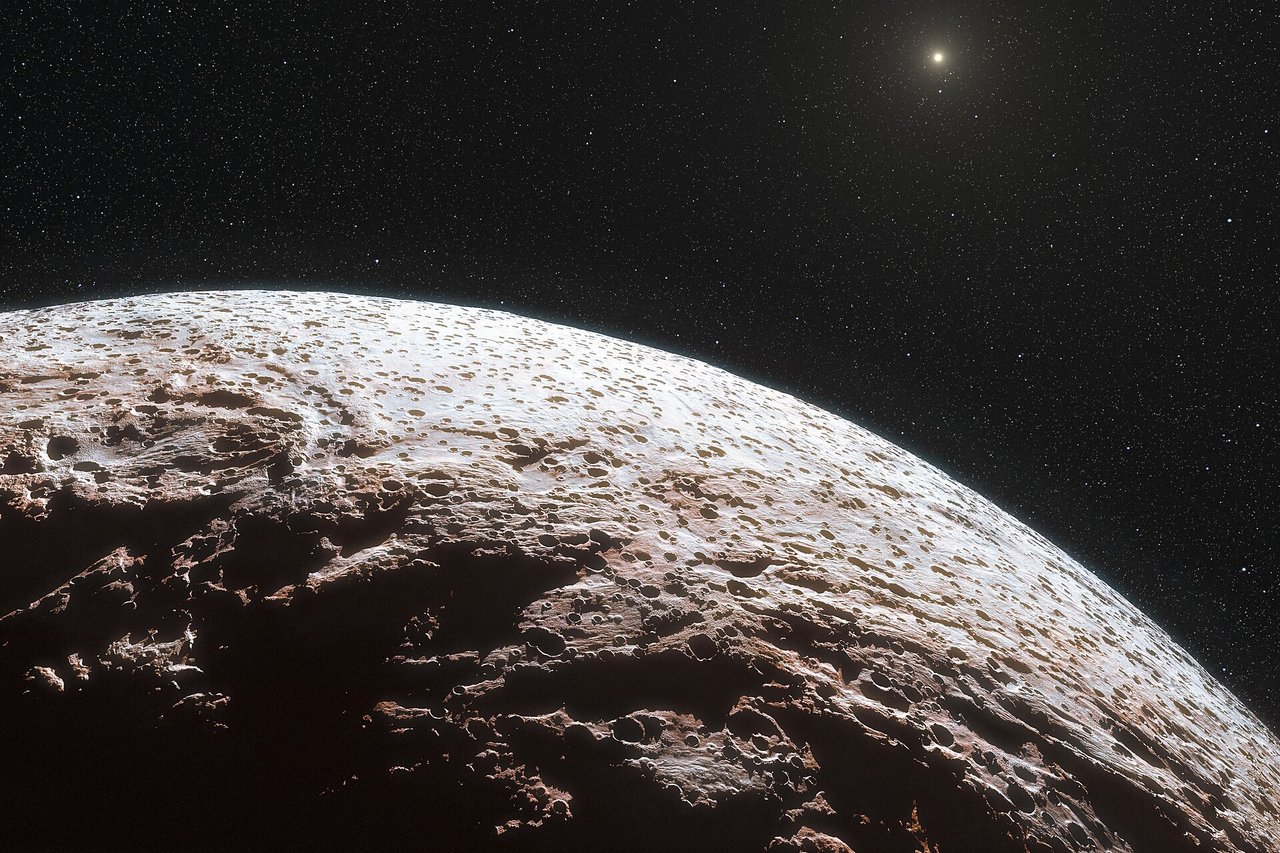
Makemake: a frozen world with a hidden moon
The Kuiper Belt’s second-brightest dwarf planet after Pluto has a reflective methane-ice surface. Its faint moon MK2 was announced in 2016. Makemake is named after the creator deity of Rapa Nui mythology.
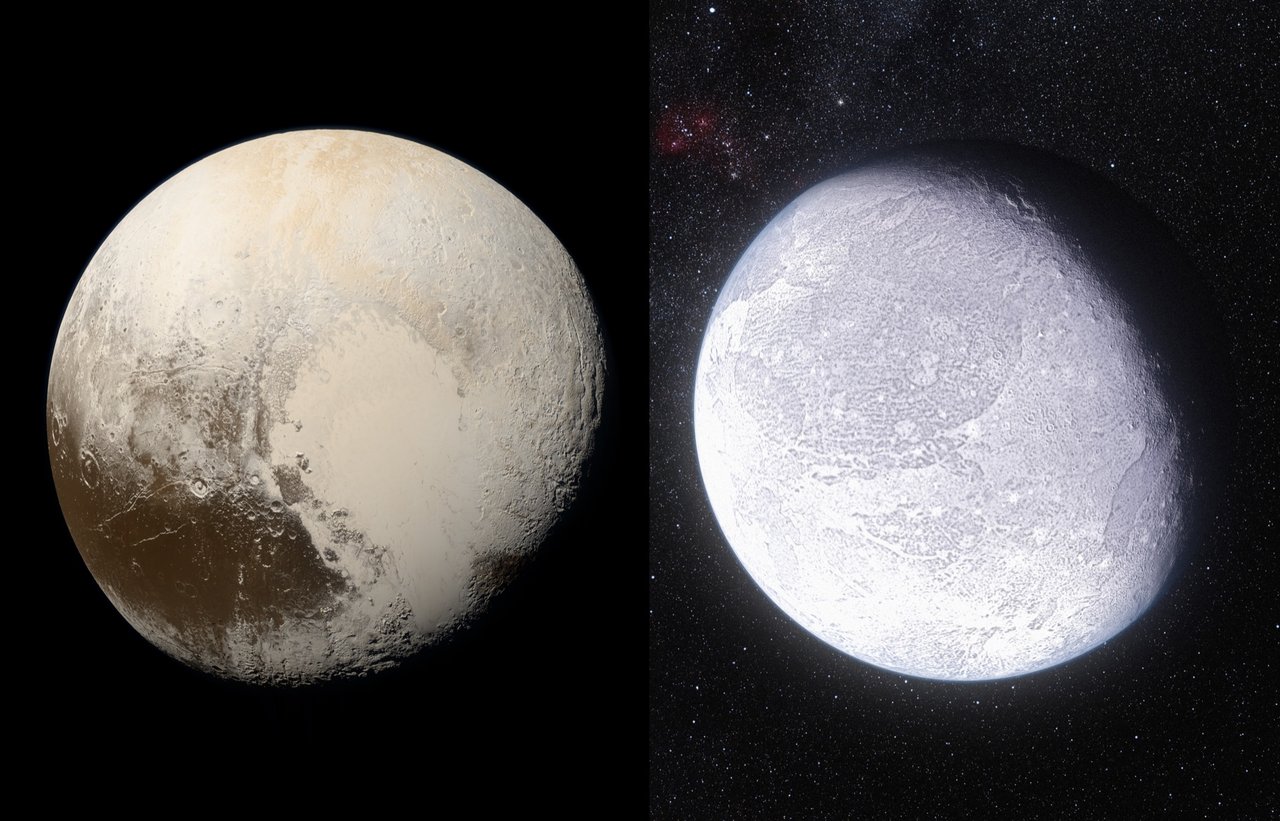
Eris: the small world that changed textbooks
Eris is the most massive known dwarf planet, heavier than Pluto. Its discovery helped trigger the IAU’s 2006 definition of a planet. It follows an eccentric orbit reaching 97.6 AU, has a methane-ice surface, and is accompanied by its moon Dysnomia.
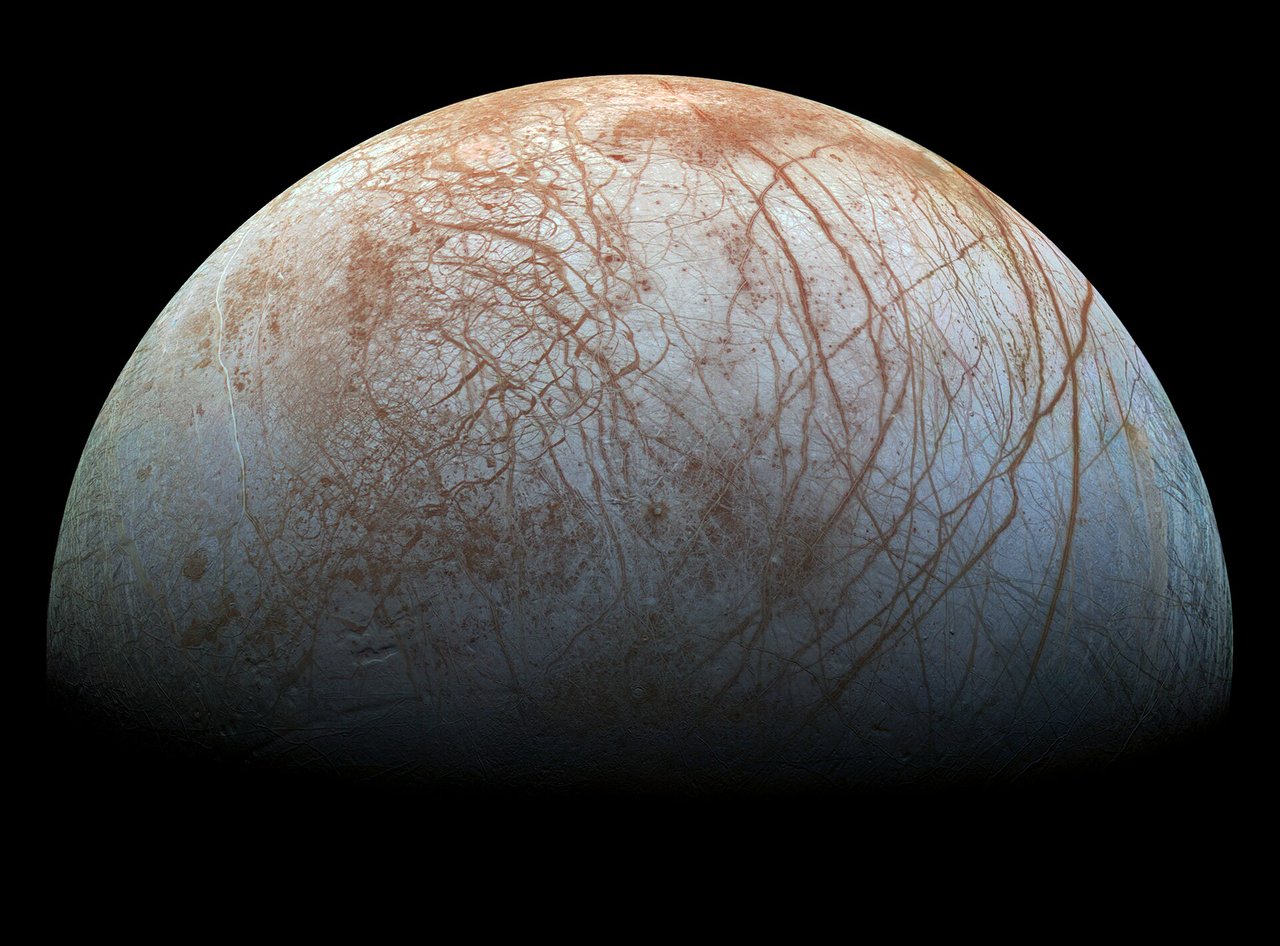
Europa Clipper: searching for habitable conditions
NASA’s largest planetary spacecraft launched in October 2024 and is due at Jupiter in April 2030. It will assess the habitability of Europa’s subsurface ocean through 49 close flybys.
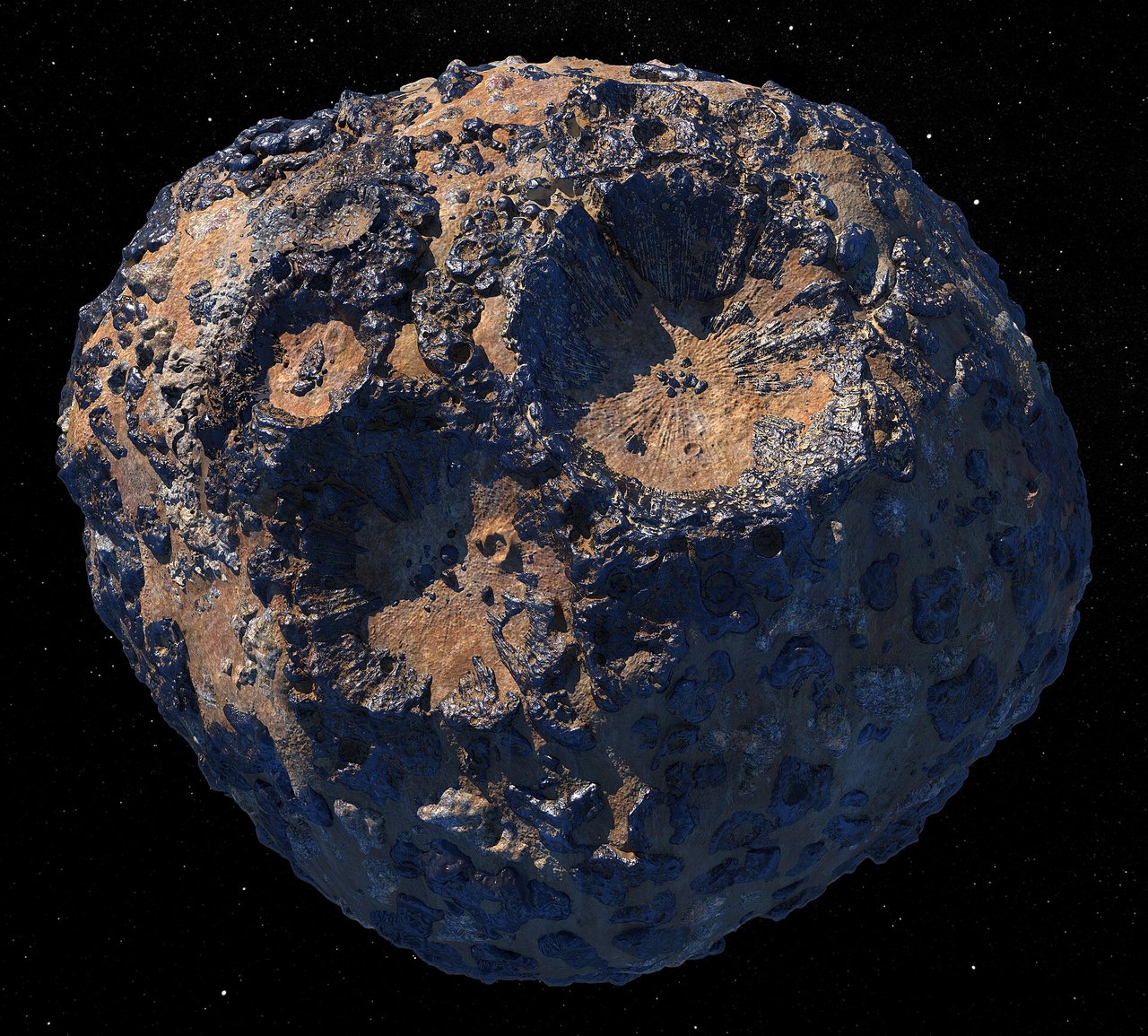
Psyche: a journey to a metal-rich asteroid
Could an asteroid be made almost entirely of metal? After a Mars gravity assist in 2026, Psyche is on its way to examine its namesake asteroid up close, with arrival expected in 2029.
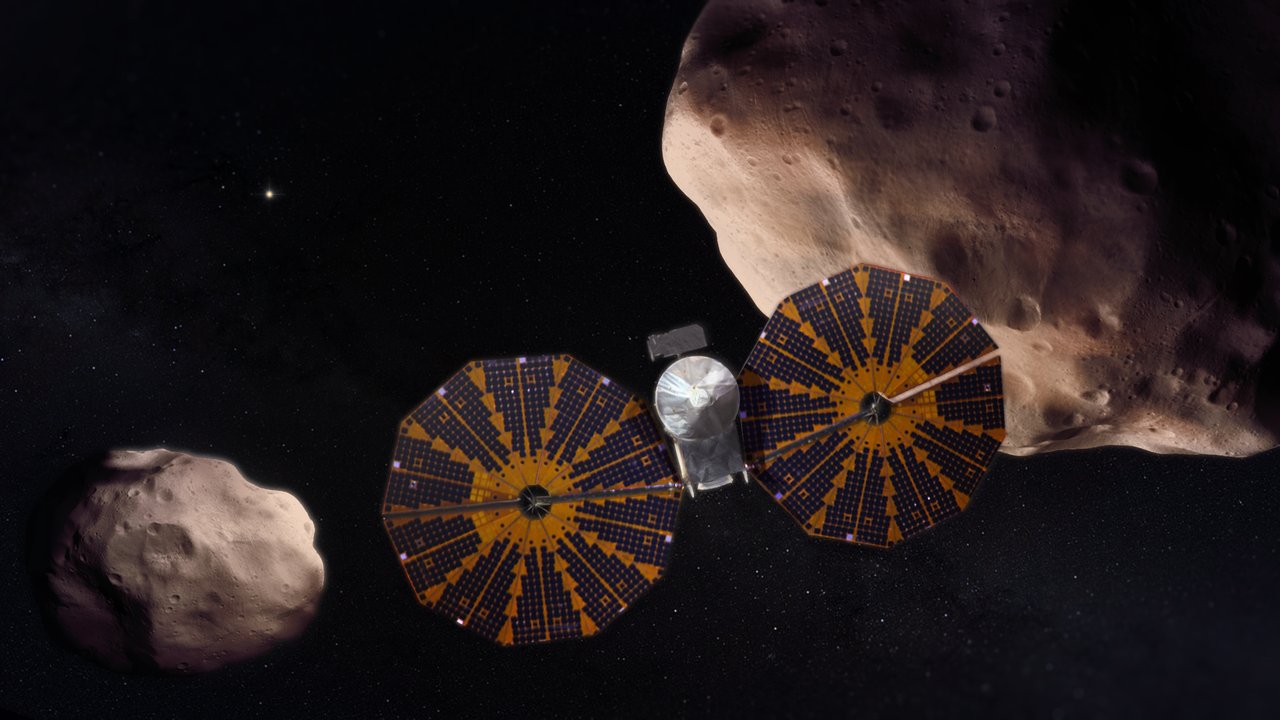
Lucy: visiting the solar system’s childhood
The first mission to Jupiter’s Trojan asteroids launched in October 2021. Its 12-year journey is designed to fly past eight asteroids and study fossils of the solar system’s formation.
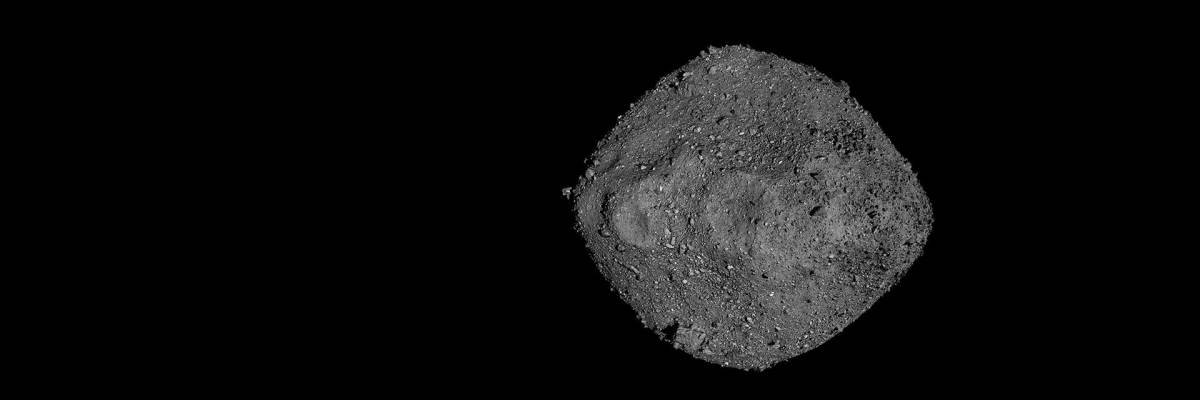
Bennu: ingredients for life in a rubble pile?
It looks like a pile of cinders, yet humanity sent a spacecraft to collect samples. What returned was not alien life, but clues to the chemistry of life.
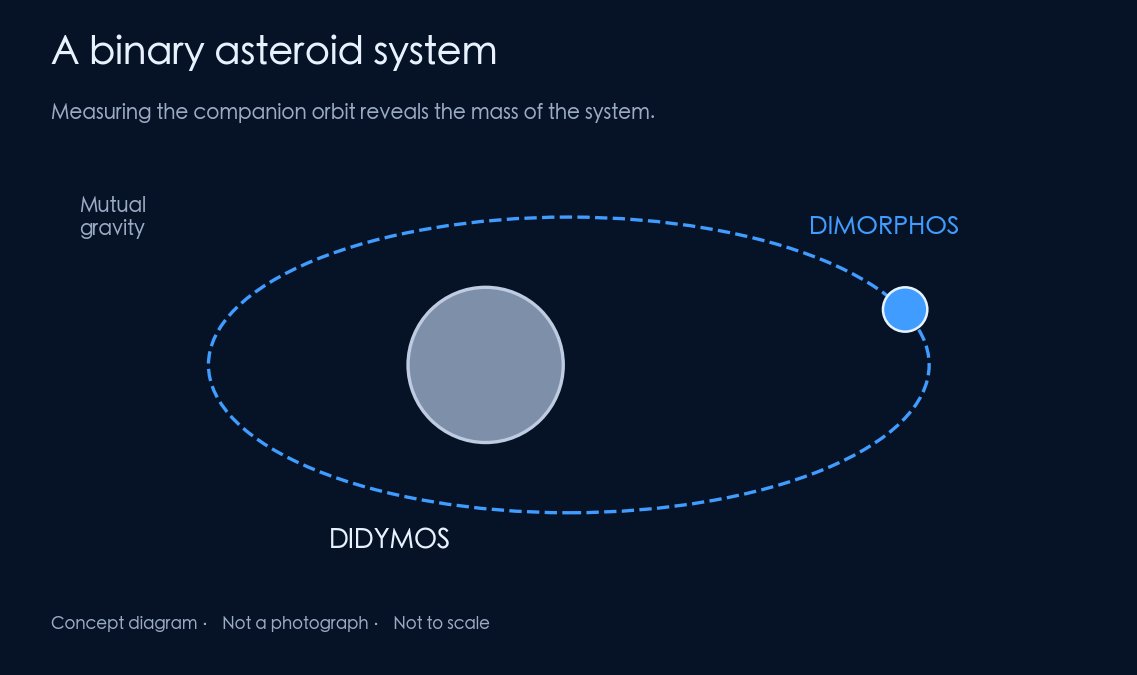
Didymos: a planetary-defense test site
Why did humanity choose this pair for its first asteroid-deflection test? The answer lies in the small companion’s orbit.
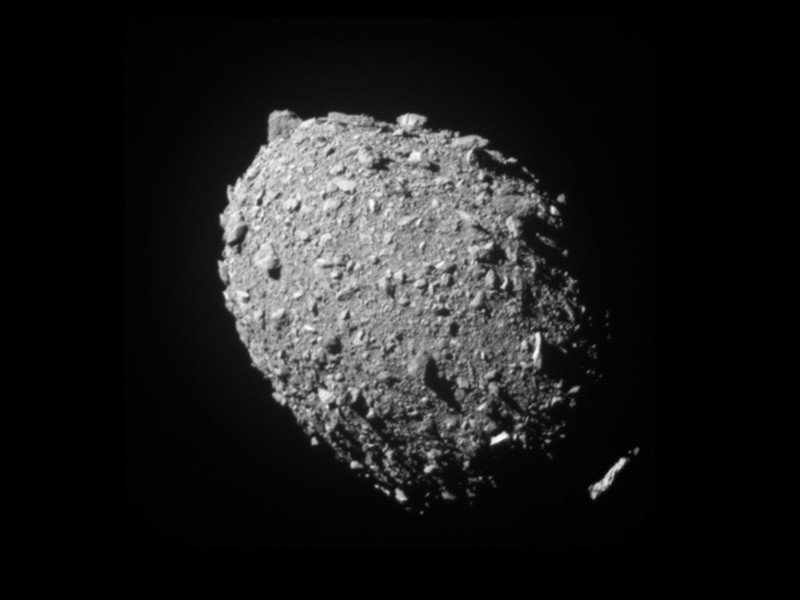
Dimorphos: after humanity gave it a push
A spacecraft’s final act changed an asteroid’s orbital rhythm. Planetary defense has no movie-style explosion button, but it does have real experiments.
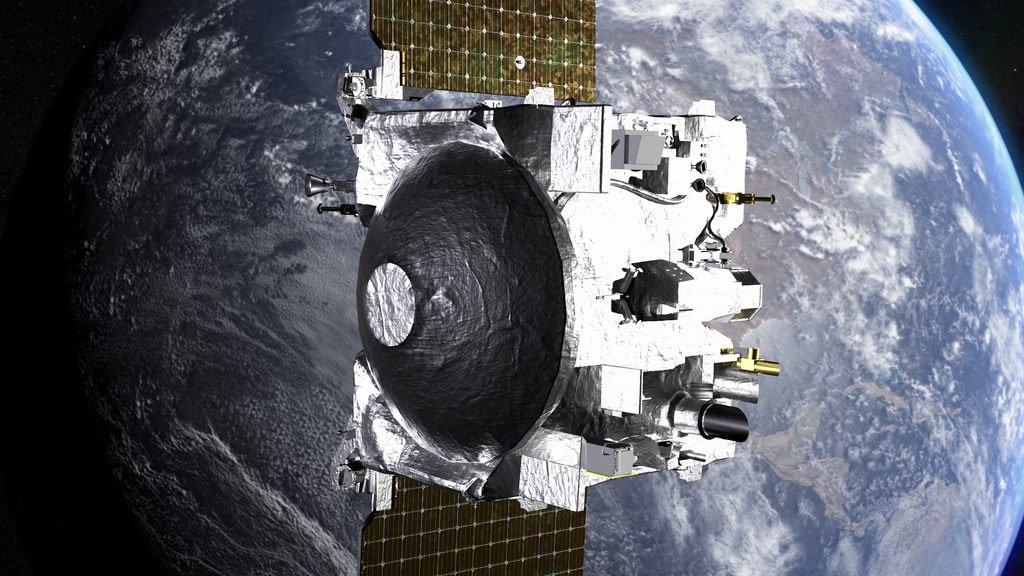
Apophis: a close visitor in 2029
Once a source of concern, this asteroid is now a rare opportunity for close study. How will Earth’s gravity reshape its motion?
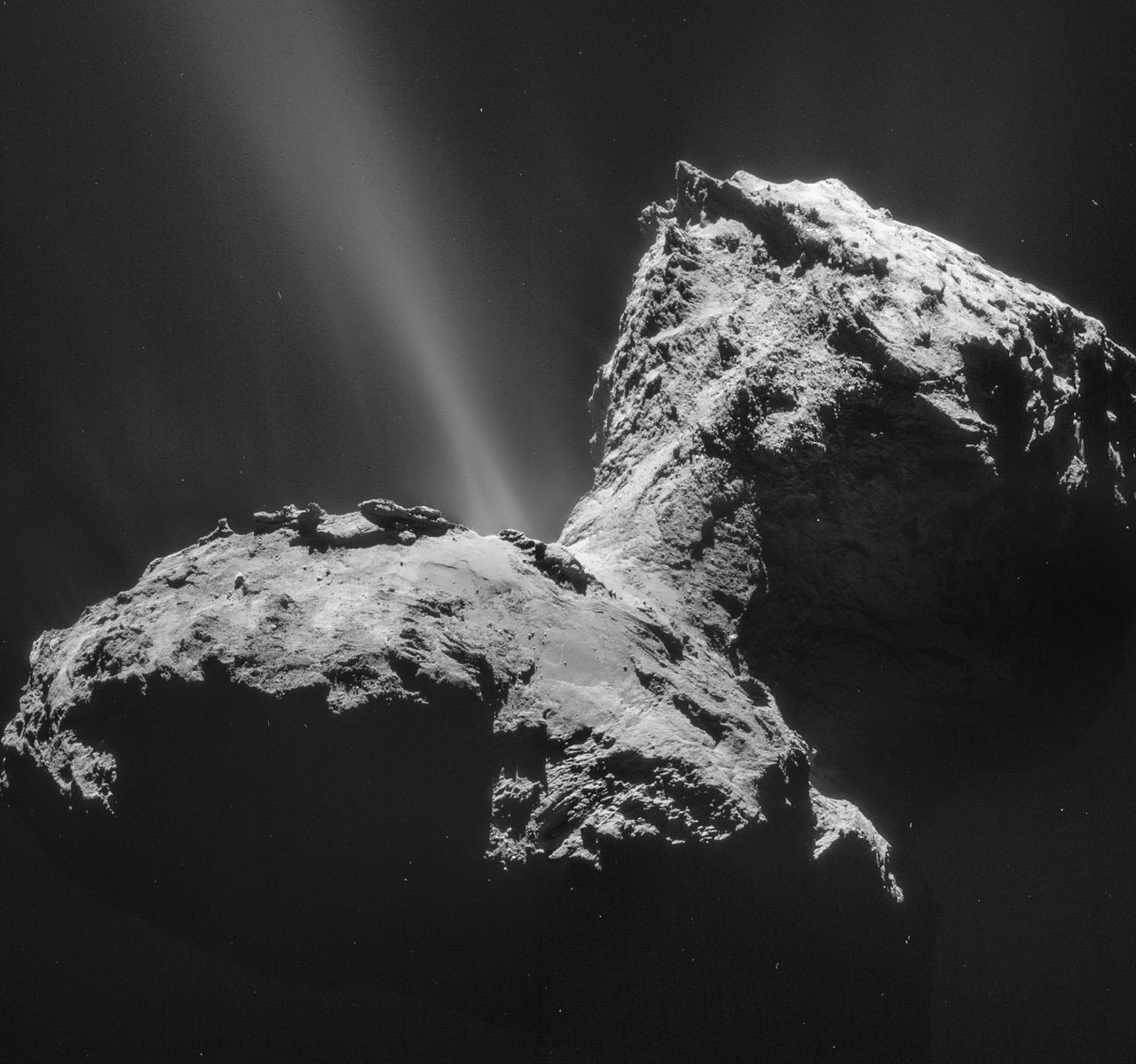
Comet 67P: landing on a cosmic rubber duck
A duck-like shape, cliffs and dust, and an adventure that began with a bouncing landing: a comet is much more than a tail in the night sky.
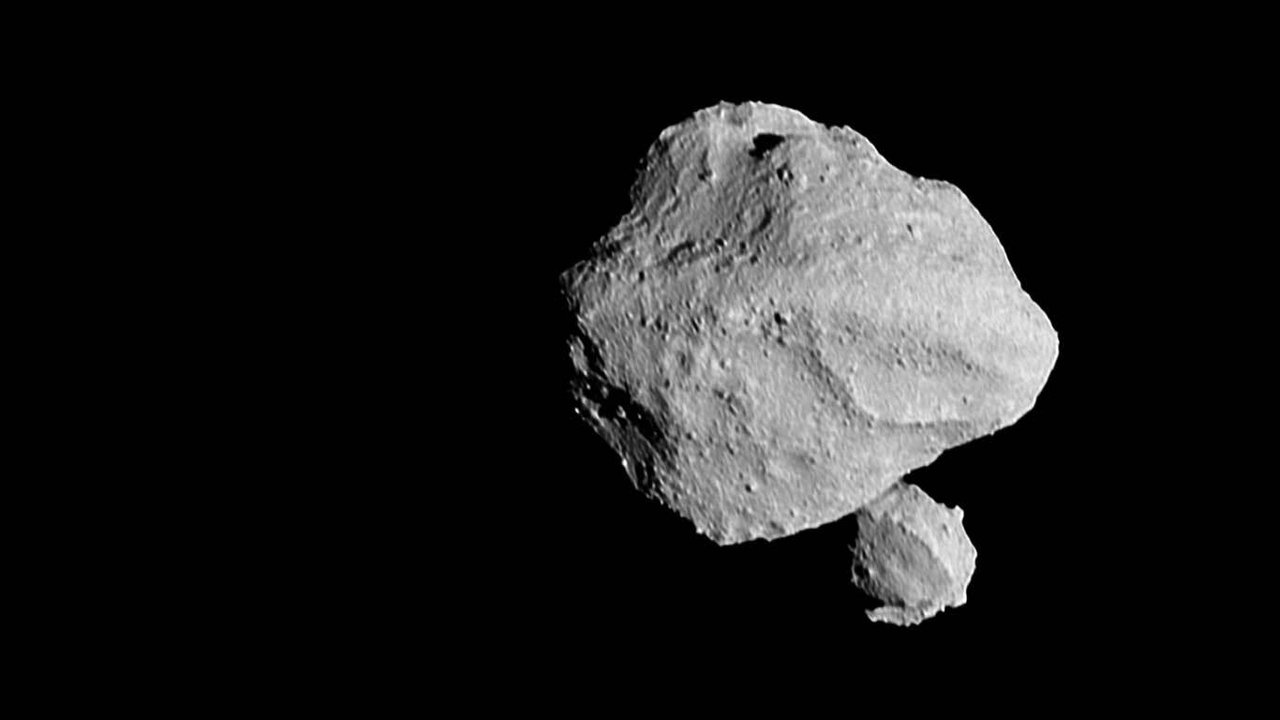
Dinkinesh: one flyby reveals a family
A camera rehearsal for Lucy unexpectedly revealed a two-lobed moon. Sometimes a passing glance brings the biggest surprises.
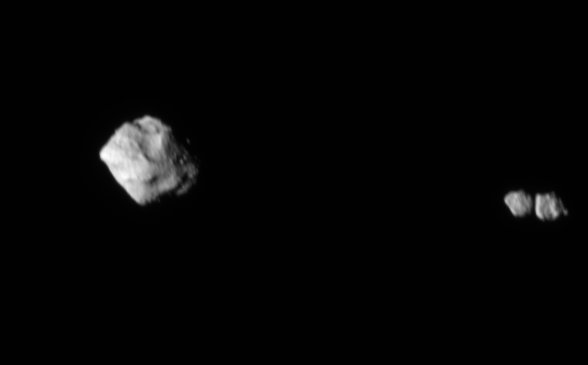
Selam: a moon made of two touching lobes
One small moon, two joined lobes. It shows that worlds do not always need violent collisions to come together.
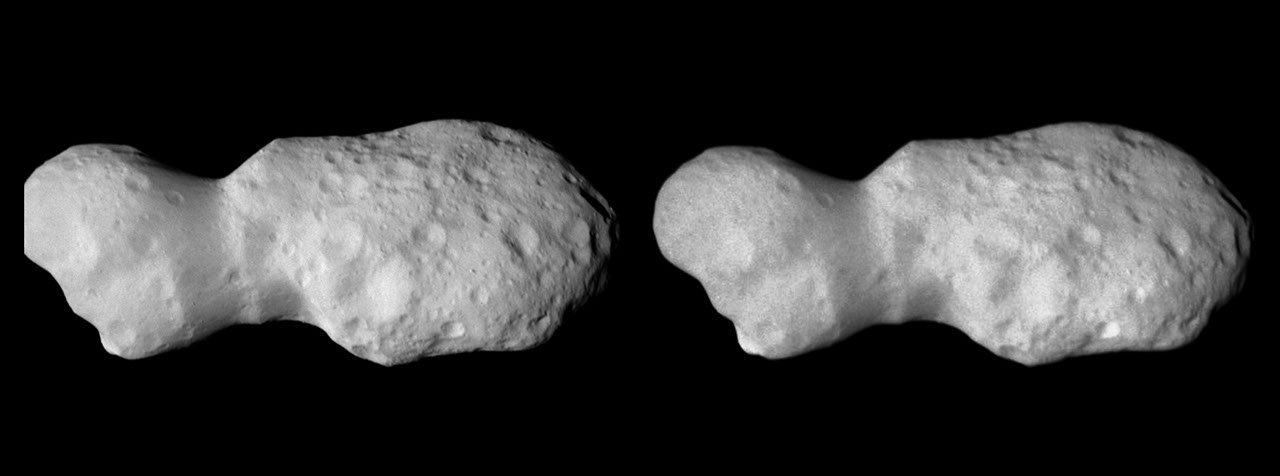
Donaldjohanson: a tumbling cosmic peanut
Lucy’s second rehearsal revealed a narrow waist, two lobes, and complex rotation. Even a modest asteroid can carry a history of reassembly.
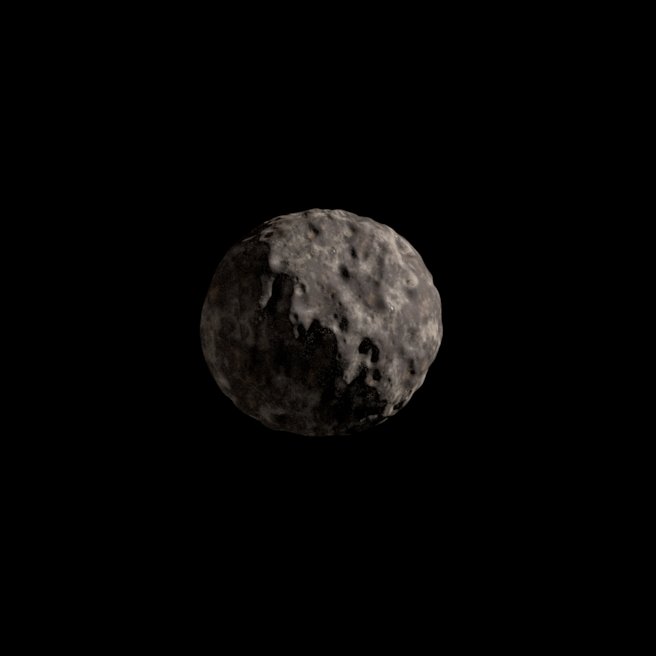
Eurybates: an elder in a collision family
Why is its color different from many neighbors ahead of Jupiter? Lucy will investigate whether an ancient collision exposed secrets from within.
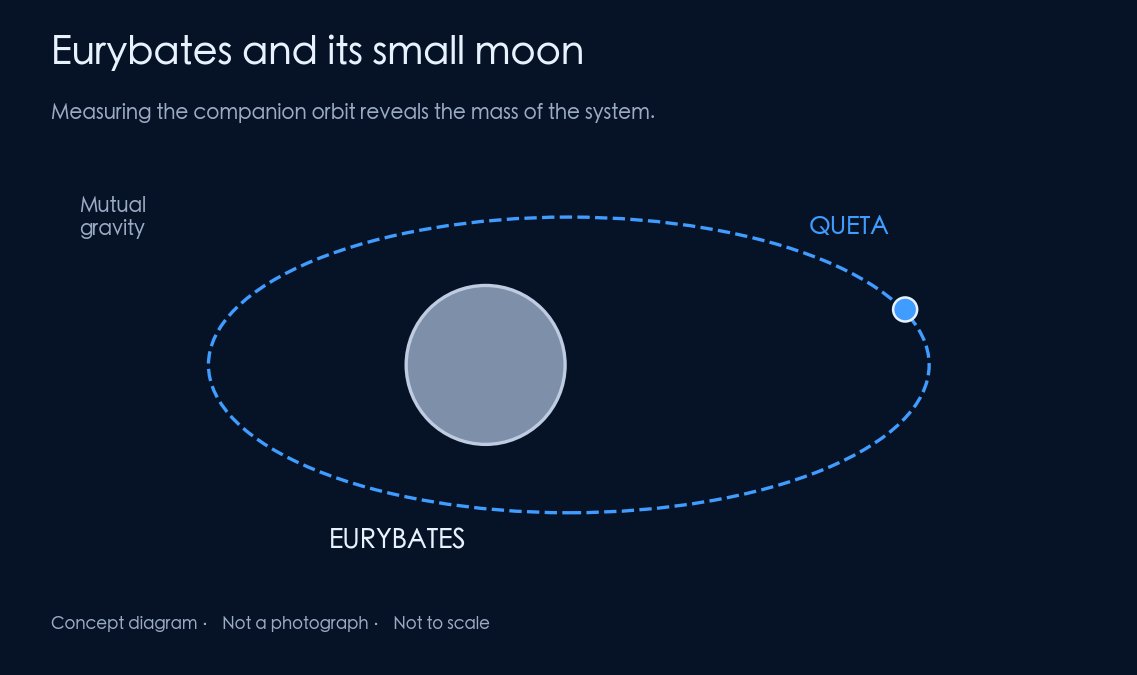
Queta: a tiny moon found by Hubble
Finding a faint point beside a bright asteroid takes patience. That little point can help scientists weigh the entire system.
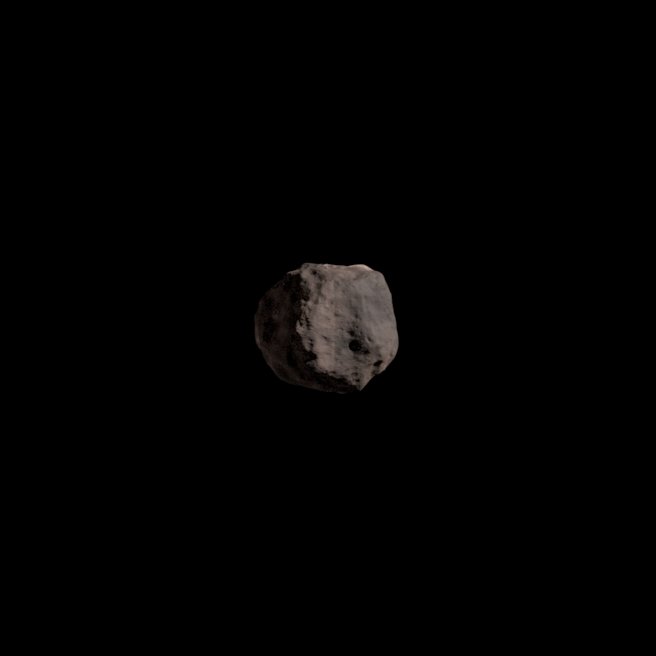
Polymele: a star’s blink reveals a secret
Before any close flyby, scientists found its flattened shape and a companion by watching a star behind it.
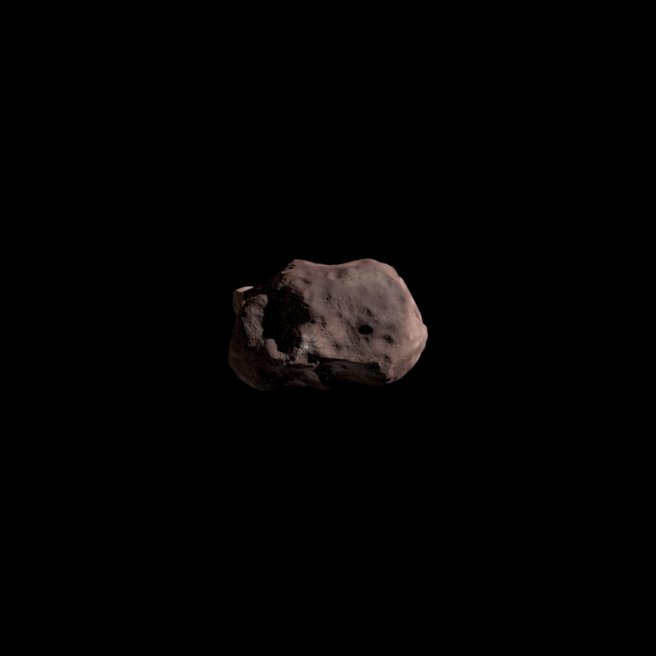
Leucus: a rotation that takes half a month
Some asteroids spin rapidly; this one turns remarkably slowly. What marks do its long days and nights leave on the surface?
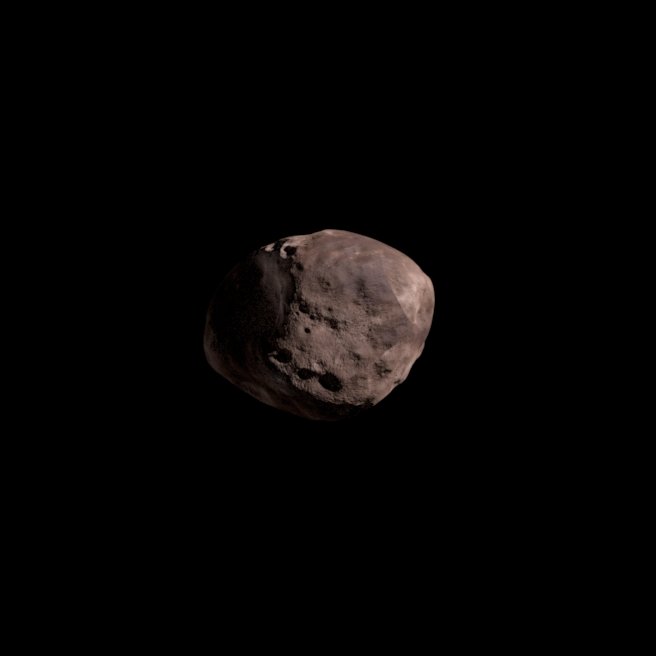
Orus: the origins of a dark red rock
Does a similar color imply a shared origin? Lucy will use Orus to compare subtle but significant differences among Trojan asteroids.
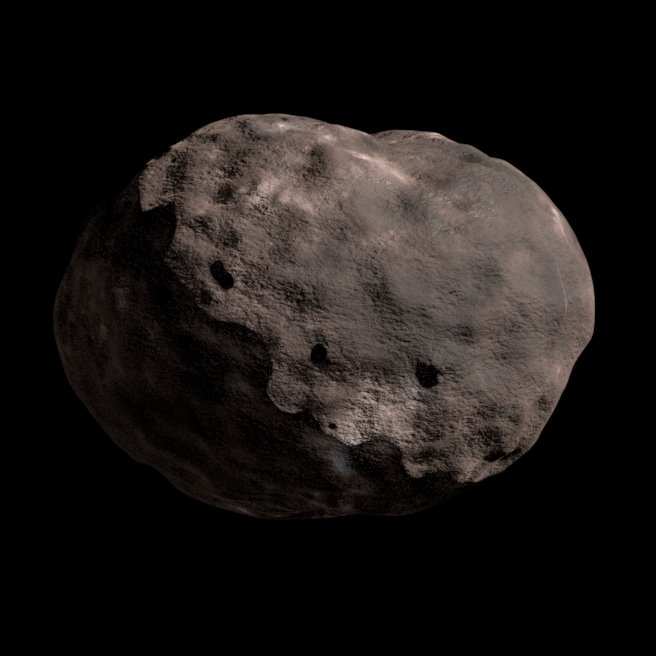
Patroclus: an ancient dance for two
Two similarly sized asteroids circle a common center. Could they preserve evidence of how bodies first met in the early solar system?
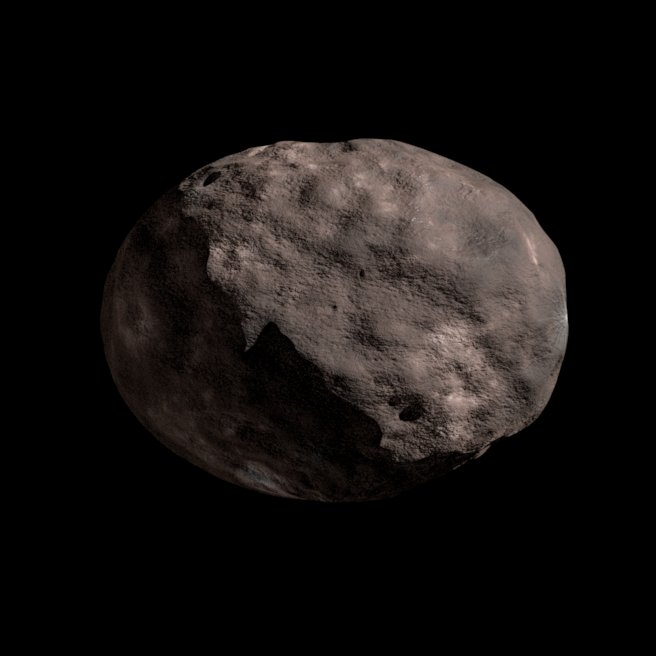
Menoetius: a twin, not a supporting character
Called a moon, it is only slightly smaller than its partner. Sometimes asking where both bodies orbit is more accurate than asking which orbits which.
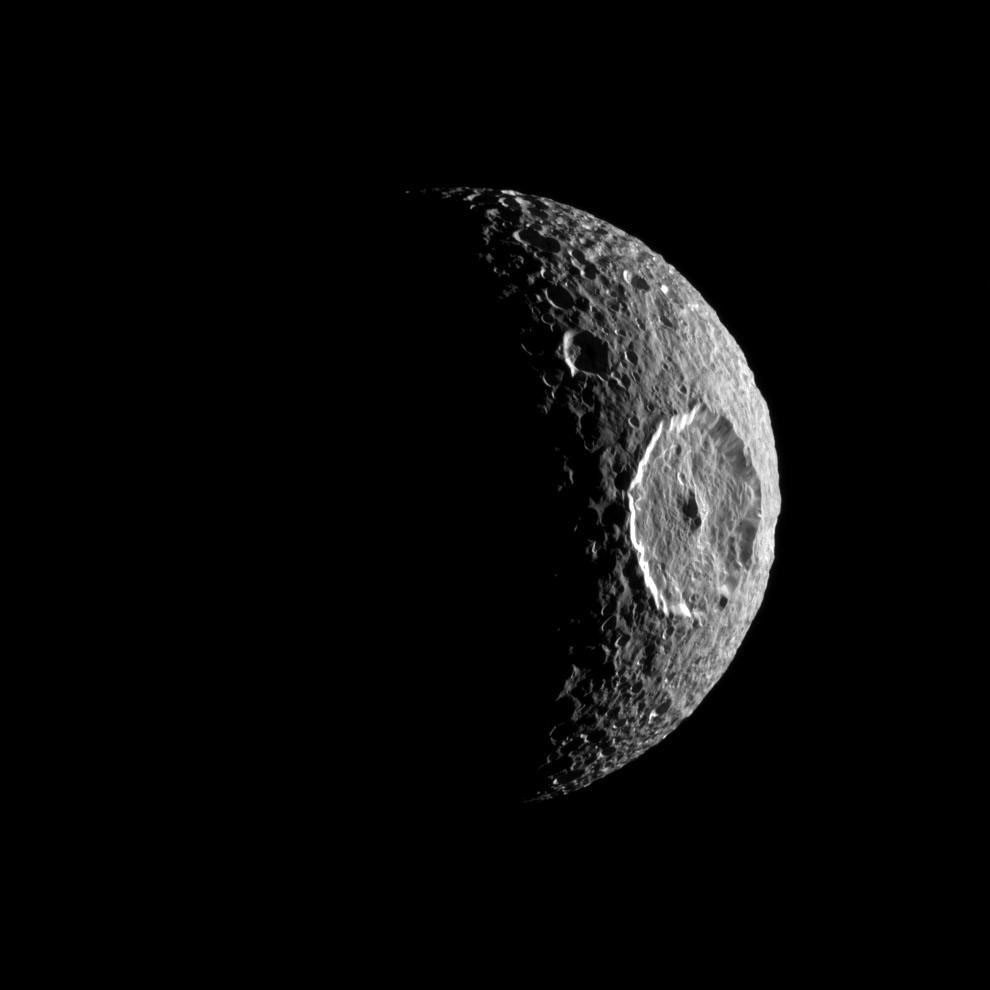
Mimas: a Death Star face, perhaps an ocean within
A giant crater made it famous. Subtle changes in its orbit have made scientists rethink what might lie inside.
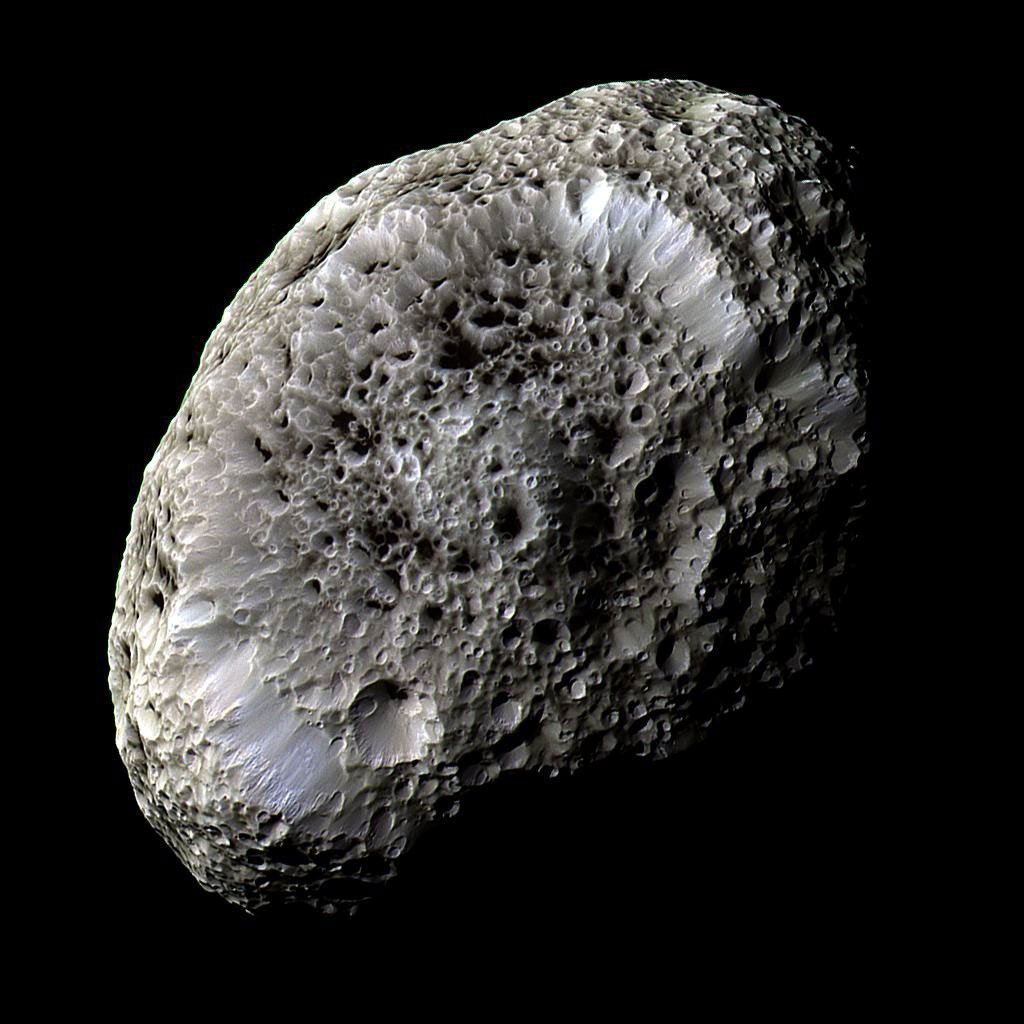
Hyperion: a tumbling space sponge
Deep craters, low density, and an unruly spin: this Saturnian moon’s strange appearance is no photographic error.
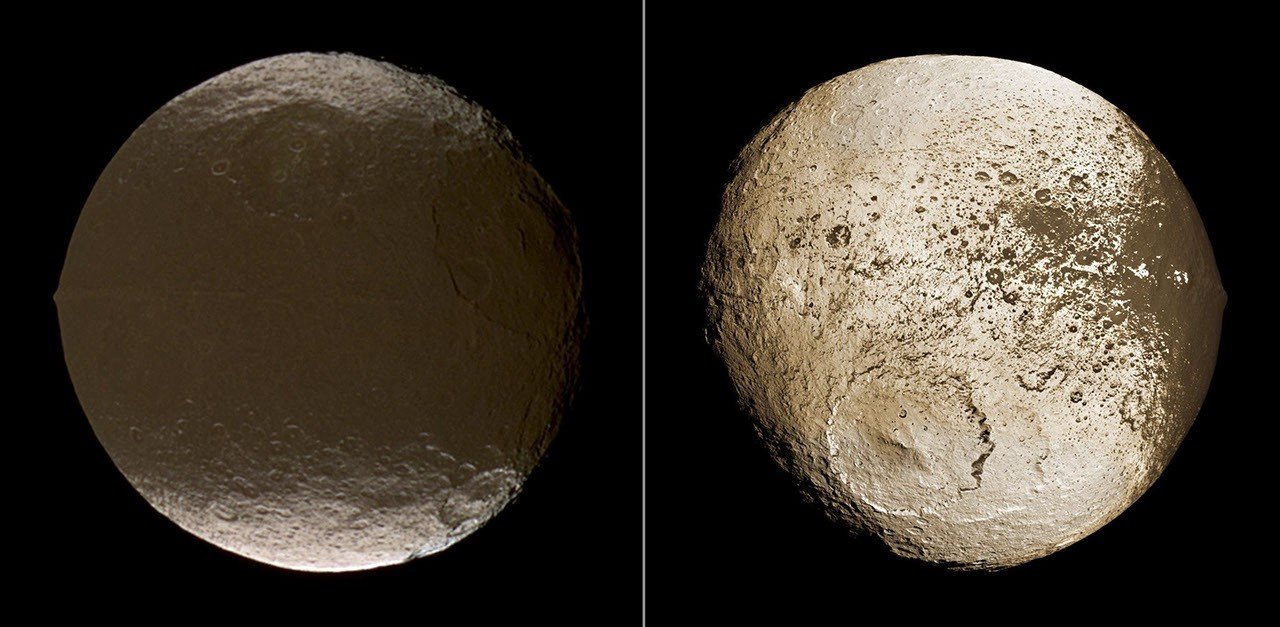
Iapetus: two colors and an equatorial ridge
Why does one moon look painted in two colors? And what created the mountains around its equator, like an enormous seam?
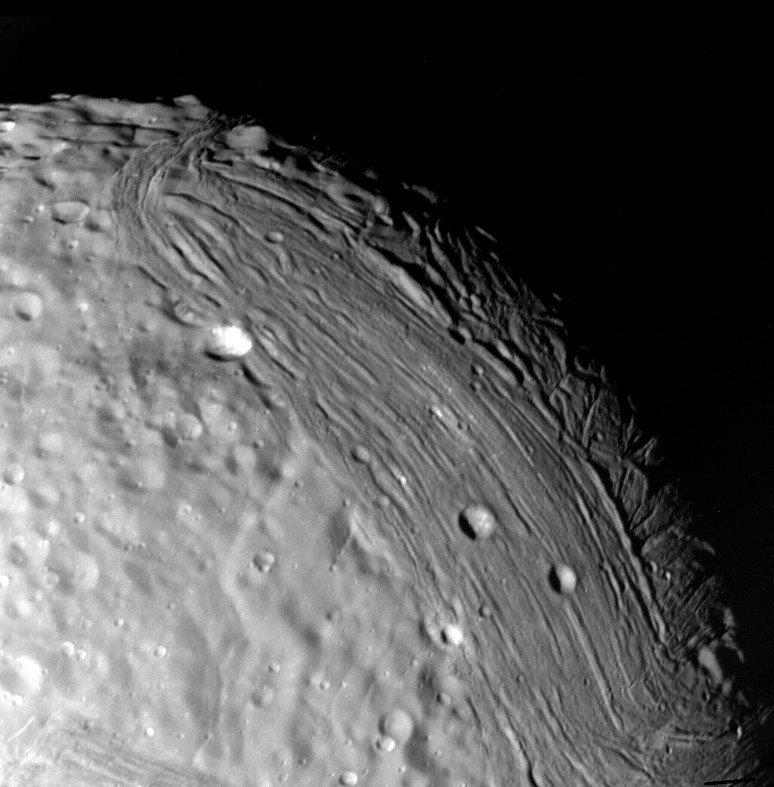
Miranda: a patchwork world
Cliffs, grooves, and geometric terrain crowd this small moon. Why does a world only a few hundred kilometers across have such a complicated face?

Arrokoth: two icy worlds gently joined
It resembles a snowman, or two flattened stones touching. Its outline may preserve how the first planetary building blocks grew.
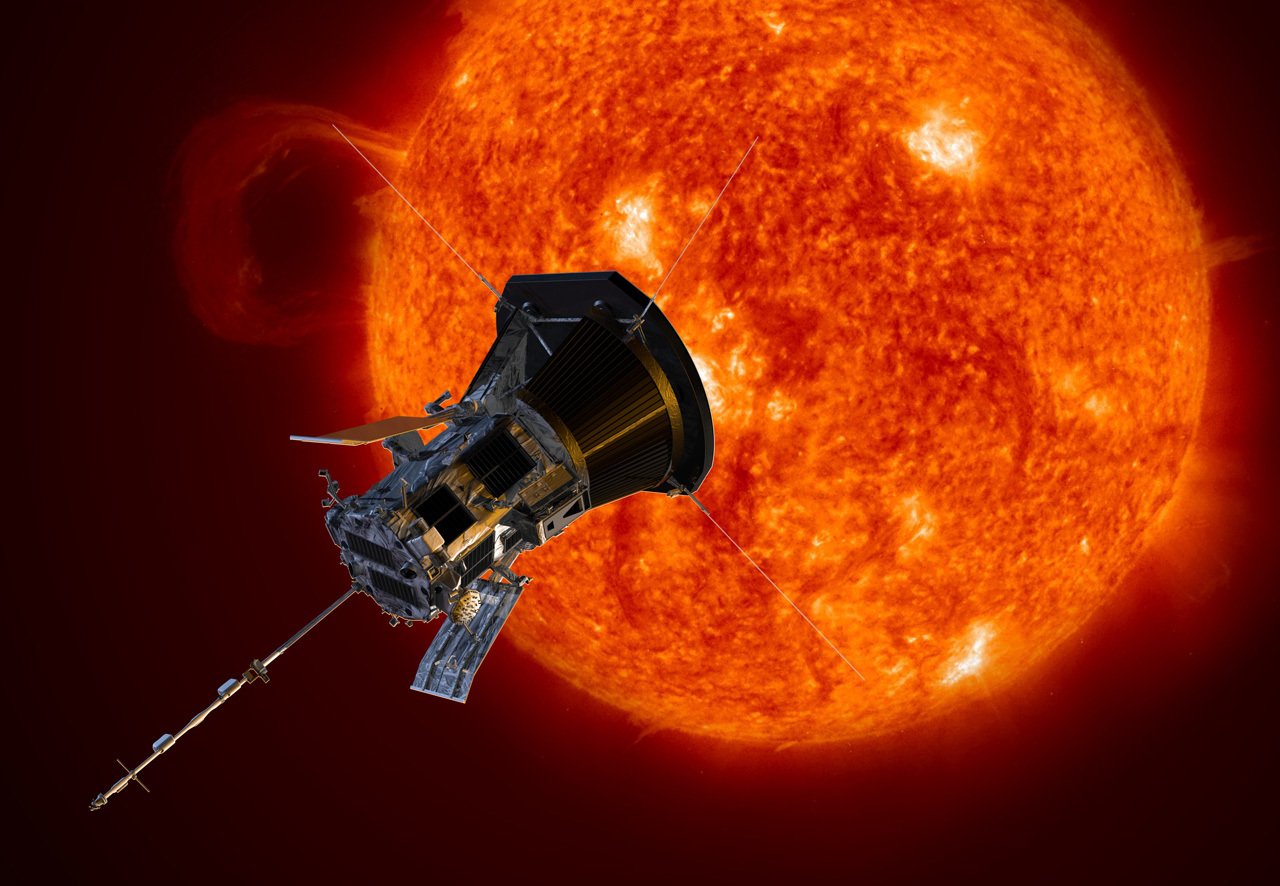
Parker Solar Probe: why doesn’t it melt?
Its destination is the corona, not the Sun’s surface. This gas is extremely hot but far more rarefied than the air in an Earthbound furnace.
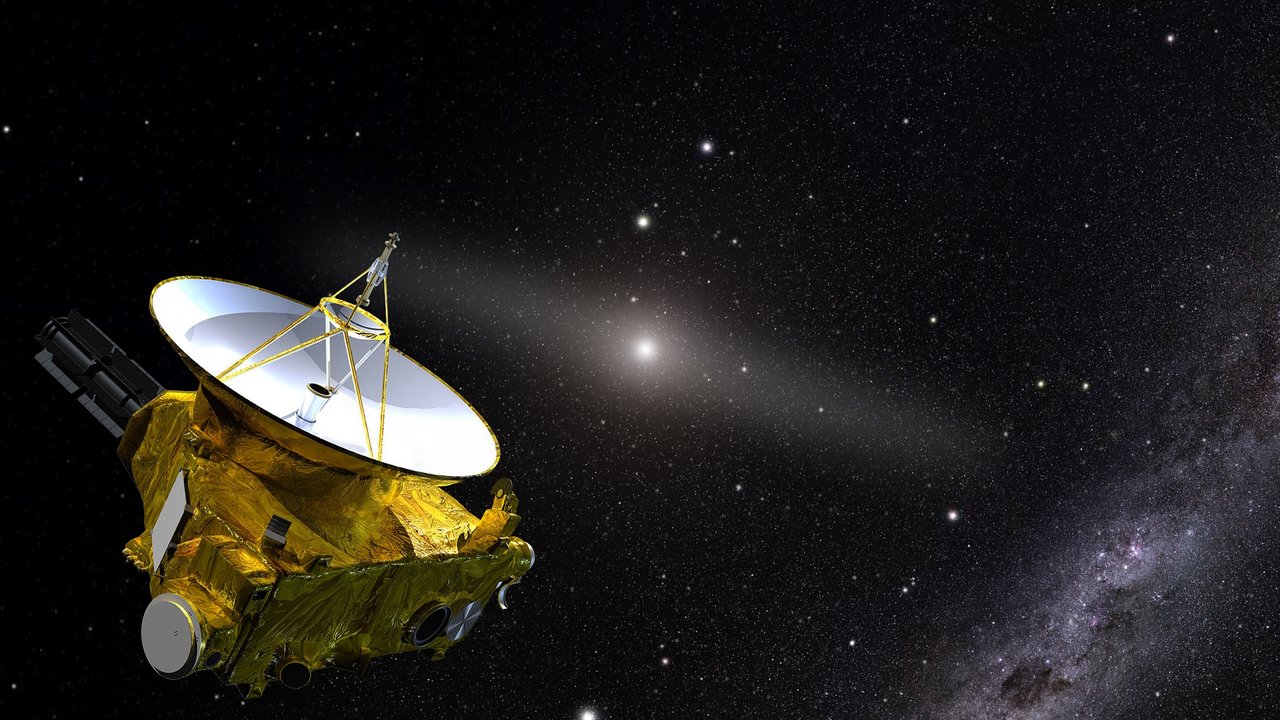
New Horizons: beyond Pluto, still traveling
A journey with no stop at its destination turned distant dots into worlds of icy plains and mountains. The next destination lies deeper in the dark.
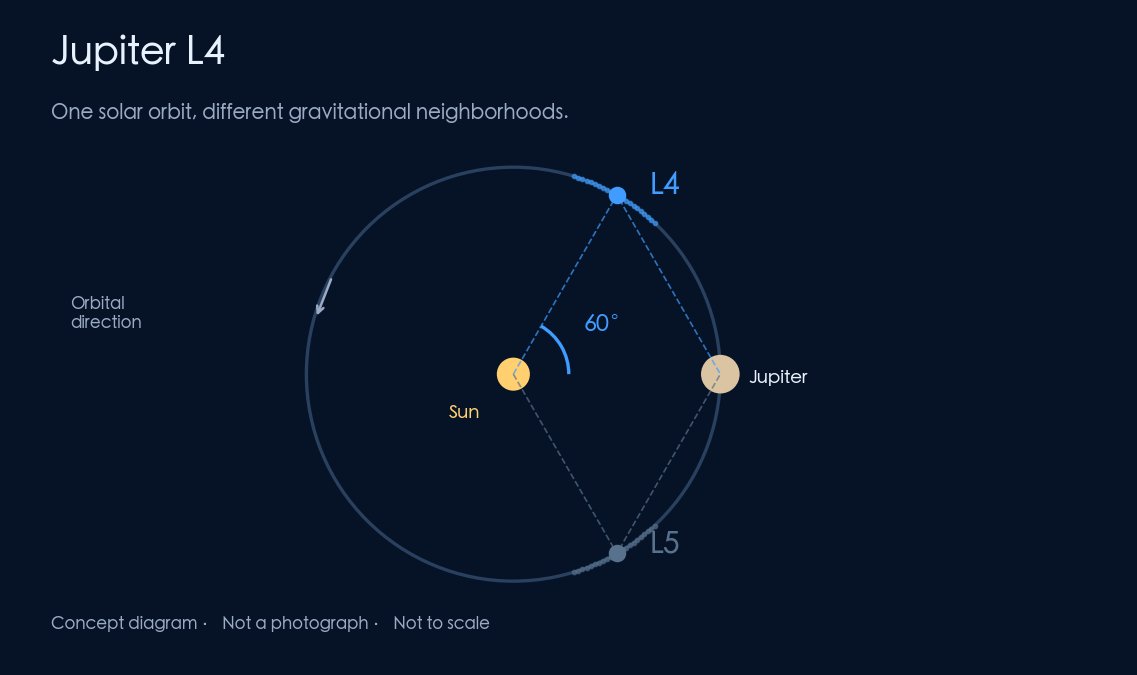
Jupiter L4: a Sun–Jupiter Lagrange point
The Sun–Jupiter L4 point lies about 60° ahead of Jupiter in its orbit. This is a reference location in space, with Trojan asteroids gathering nearby.
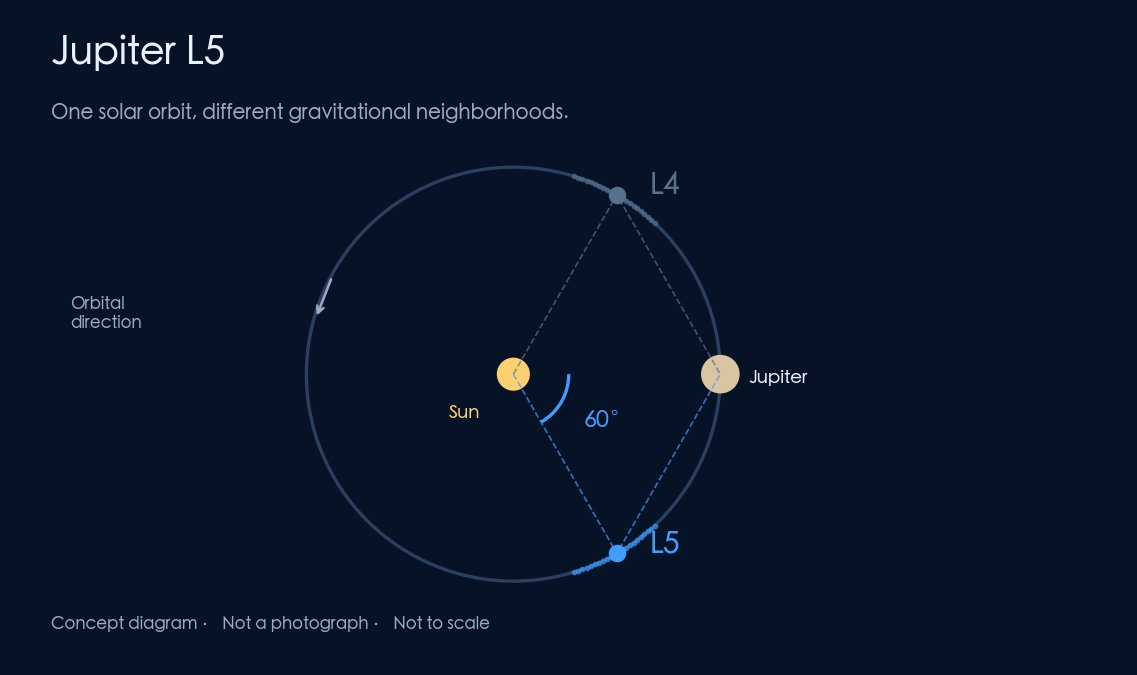
Jupiter L5: a Sun–Jupiter Lagrange point
The Sun–Jupiter L5 point lies about 60° behind Jupiter in its orbit. This is a reference location in space, with Trojan asteroids gathering nearby.
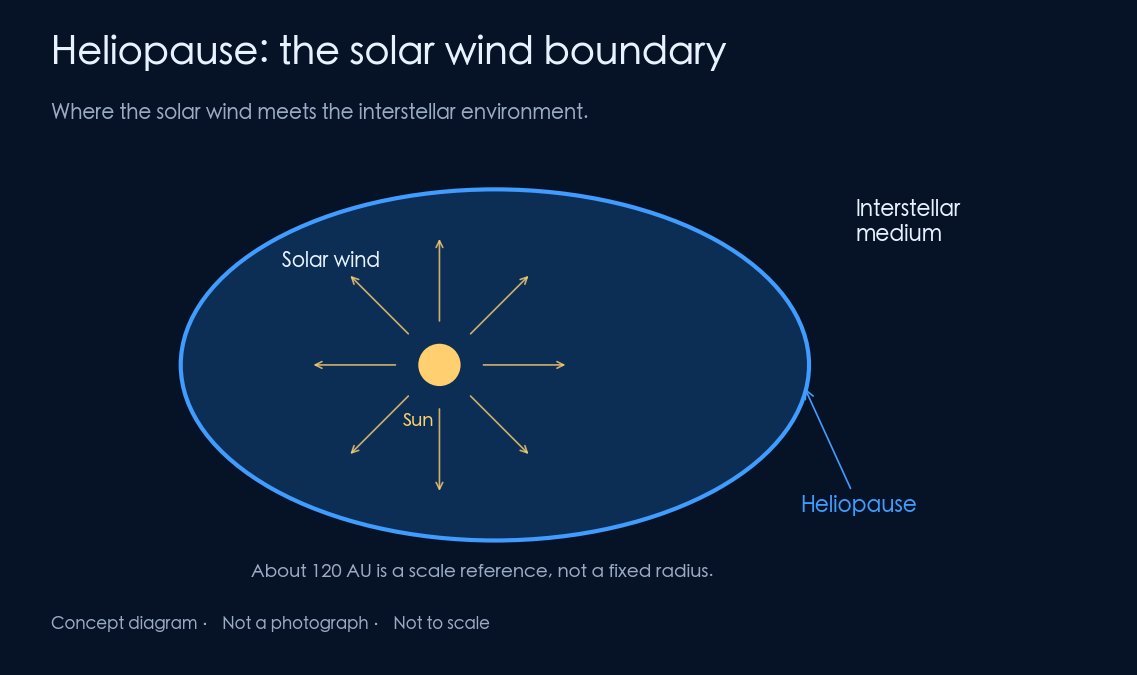
Heliopause: where does the Sun’s bubble end?
It is neither a wall nor the end of the Sun’s gravity. Invisible particles told scientists when the Voyager spacecraft crossed it.
No matching articles