Bennu: ingredients for life in a rubble pile?
It looks like a pile of cinders, yet humanity sent a spacecraft to collect samples. What returned was not alien life, but clues to the chemistry of life.
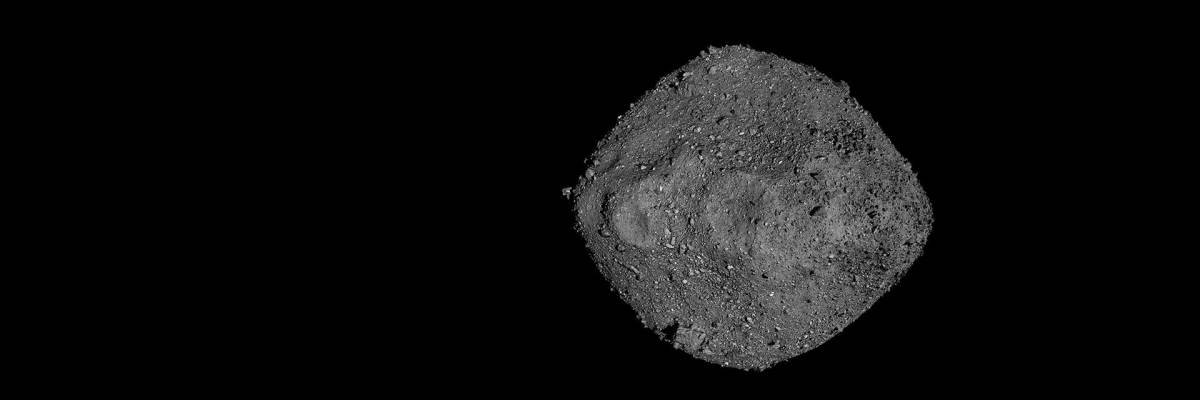
Bennu would span only a few city blocks, yet its dark material is older than most mountains on Earth. Small does not mean unimportant: it is a little bag of the solar system’s building materials.
Not as solid as it looks
Bennu is a rubble pile of rocks and dust held by weak gravity. When OSIRIS-REx touched it with a sampling arm in 2020, the loose surface surprised the team. An uncompressed bag of stones is a better analogy than a solid mountain—and even the gravity keeping those stones together is weak.
A long trip for a little soil
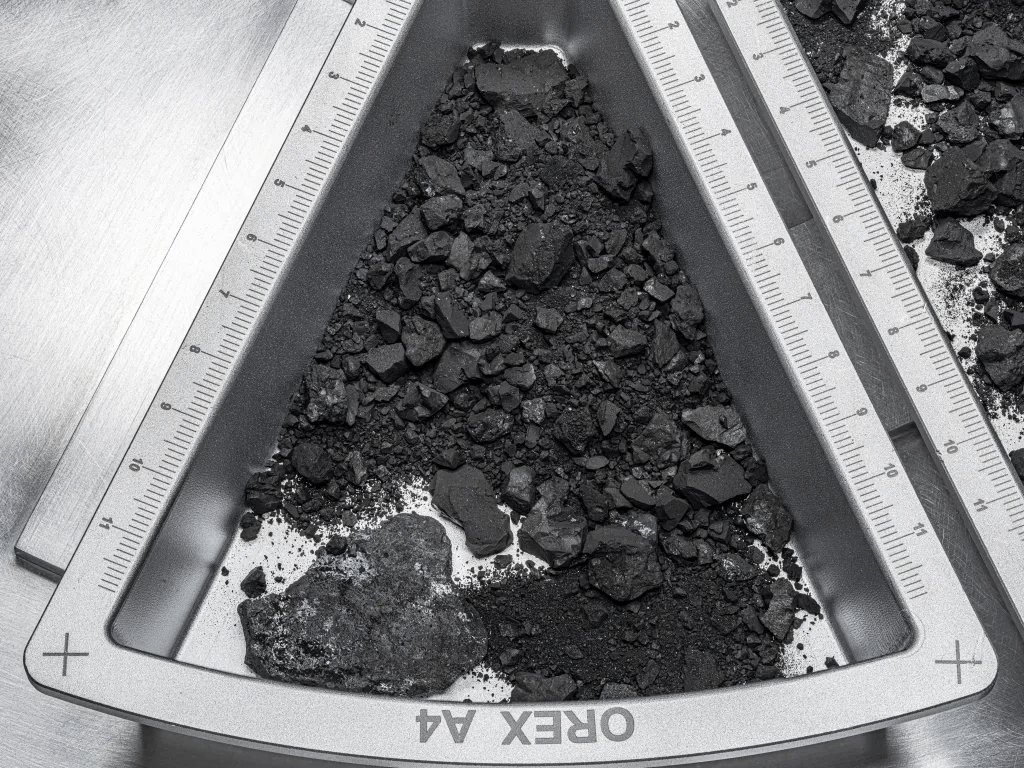
The sample capsule returned in 2023. Its value includes careful protection from atmospheric heating and terrestrial contamination. Laboratories can use instruments too large for a spacecraft, repeat analyses, and save material for future technology.
Ingredients for life are not life
Samples contain carbon compounds and minerals altered by water. They help investigate how small bodies supplied young Earth with water and complex chemistry. Finding flour is not finding bread: organic compounds are not organisms, and do not demonstrate life on Bennu.
Could it become a meteor?
An asteroid is a body in space; a fragment glowing during atmospheric entry produces a meteor. Bennu is a tracked near-Earth asteroid, and near-Earth does not mean an imminent collision. Its loose structure also matters for planetary defense: a rubble pile cannot be treated exactly like a solid rock.