Europa Clipper: searching for habitable conditions
NASA’s largest planetary spacecraft launched in October 2024 and is due at Jupiter in April 2030. It will assess the habitability of Europa’s subsurface ocean through 49 close flybys.
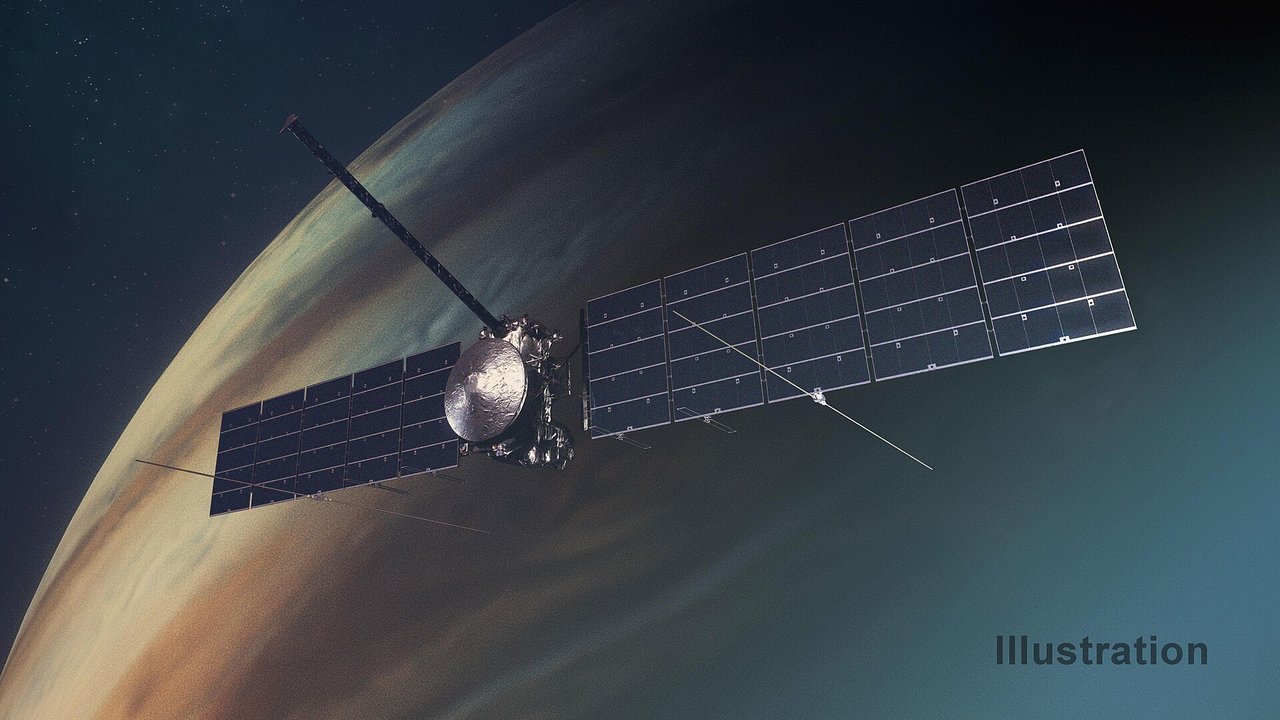
With solar arrays extended, Europa Clipper spans over 30 meters, longer than a basketball court. NASA’s largest planetary spacecraft is headed to Jupiter’s fractured icy moon. Its task is to assess whether the hidden ocean could support life, not announce that life has been found.
Why Europa?
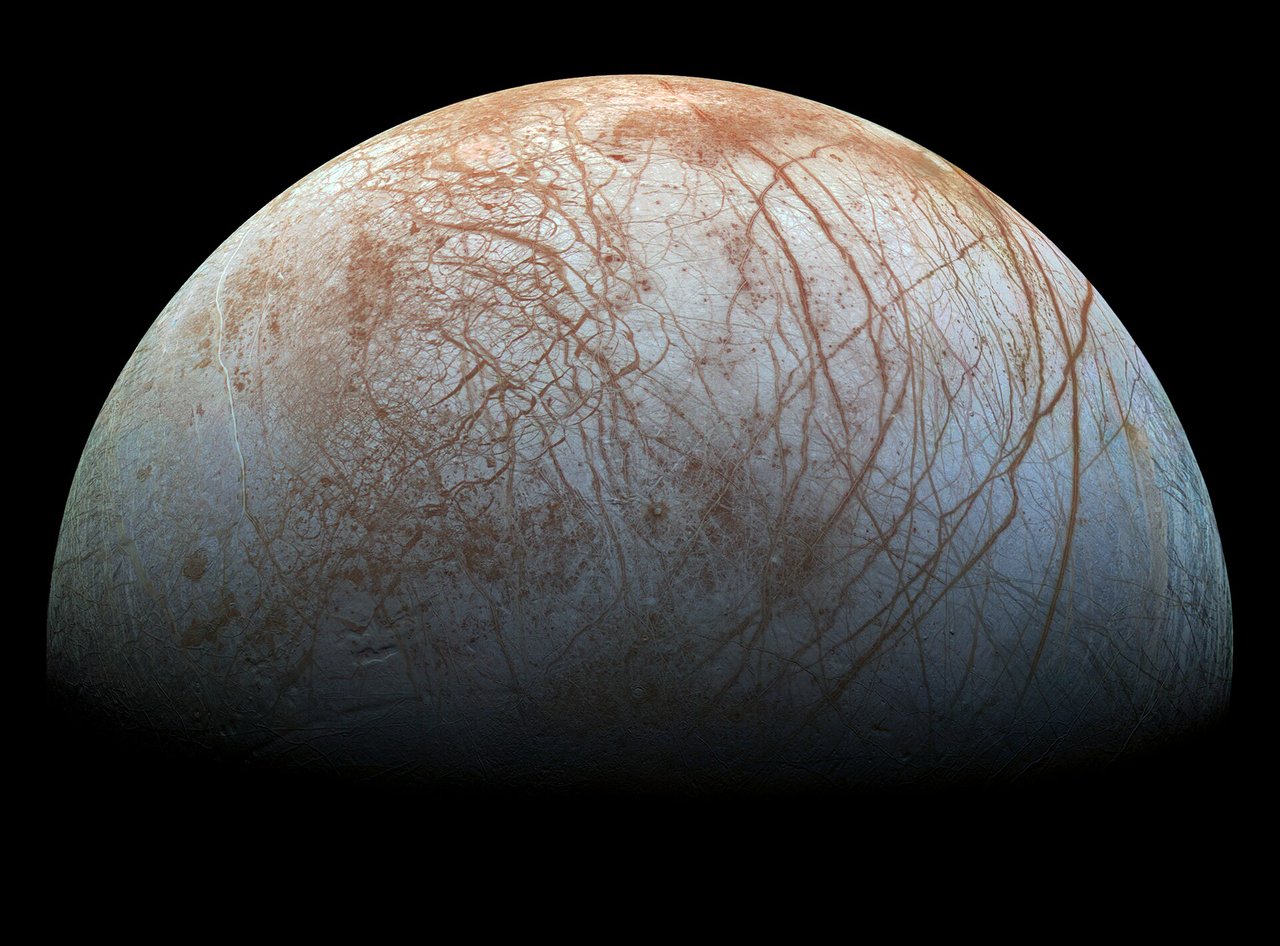
Europa is about 3,122 km across, with a likely global ocean holding roughly twice Earth’s ocean water. Galileo’s magnetic measurements in the 1990s suggested conducting brine beneath the ice. Tidal heating may supply energy. Water, energy, and chemistry make it a leading habitability target.
The long route to Jupiter
Clipper launched on Falcon Heavy from Kennedy Space Center on October 14, 2024, beginning a journey of roughly 2.9 billion km. It passed Mars in March 2025 and is scheduled for an Earth gravity assist in December 2026, adjusting speed and direction for April 2030 arrival at Jupiter.
Beneath the icy shell
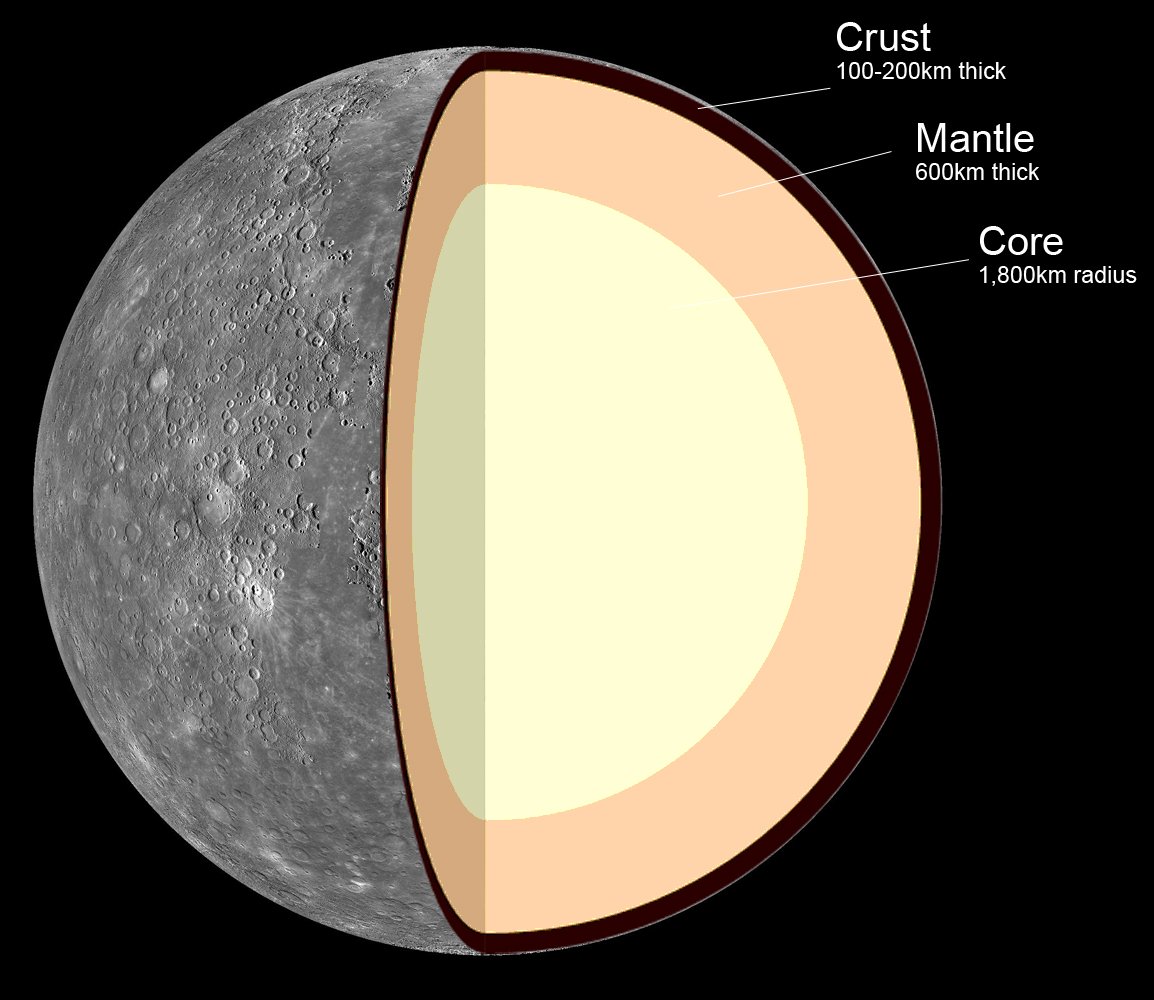
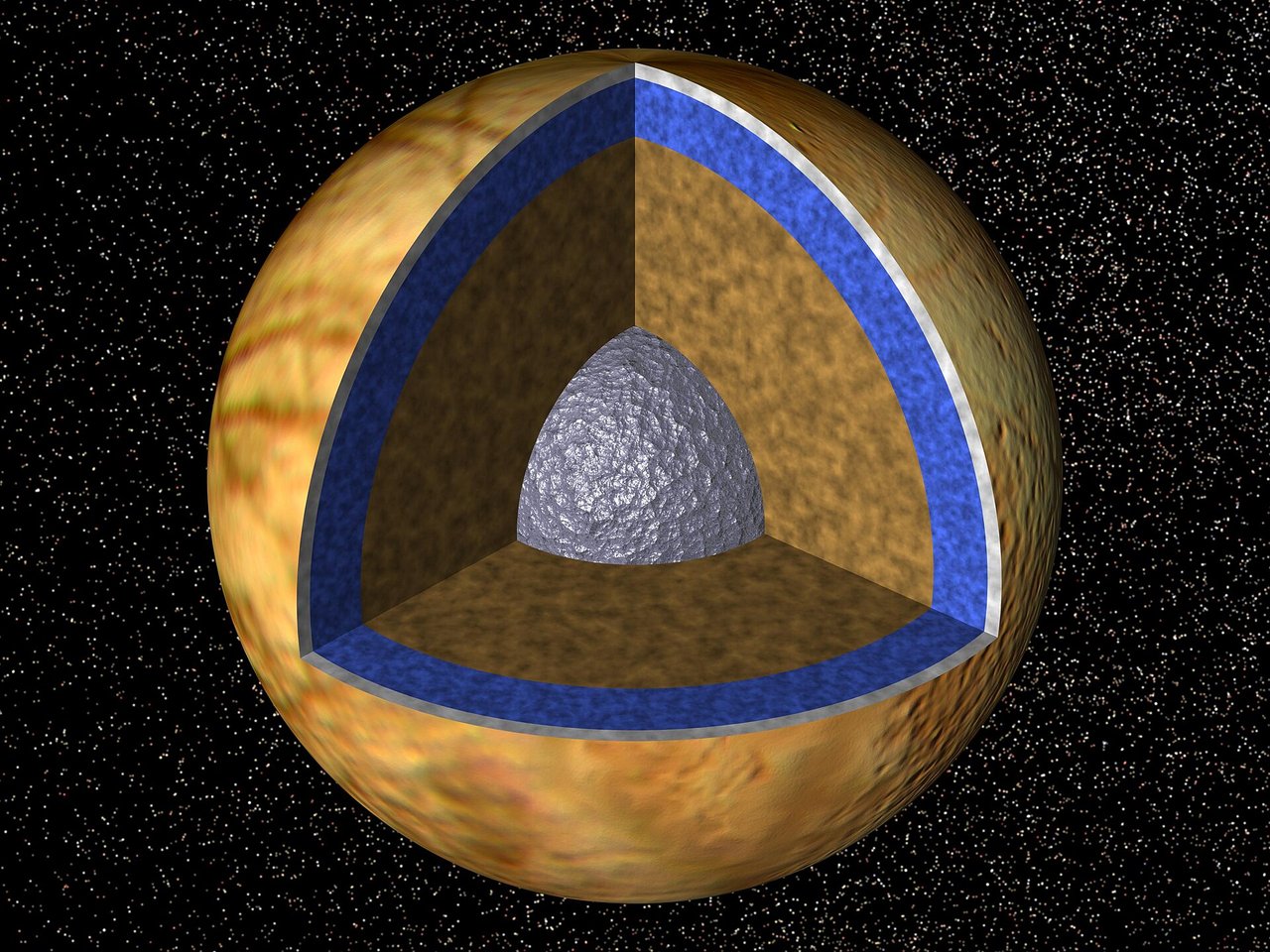
Models estimate a shell around 15–25 km thick above a deep salty ocean, rocky mantle, and metallic core. Reddish fractures may mark material brought upward. Hydrothermal activity at the ocean–rock boundary could provide energy like the systems supporting sunless ecosystems on Earth.
Forty-nine radiation-limited flybys
Jupiter’s energetic particles damage electronics near Europa. Clipper therefore orbits Jupiter on broad ellipses, spending most of its time farther away and briefly passing the moon. About 49 close flybys are planned during roughly four years of science, some as low as 25 km. Each encounter concentrates observations before the spacecraft retreats to transmit data.
Nine scientific instruments
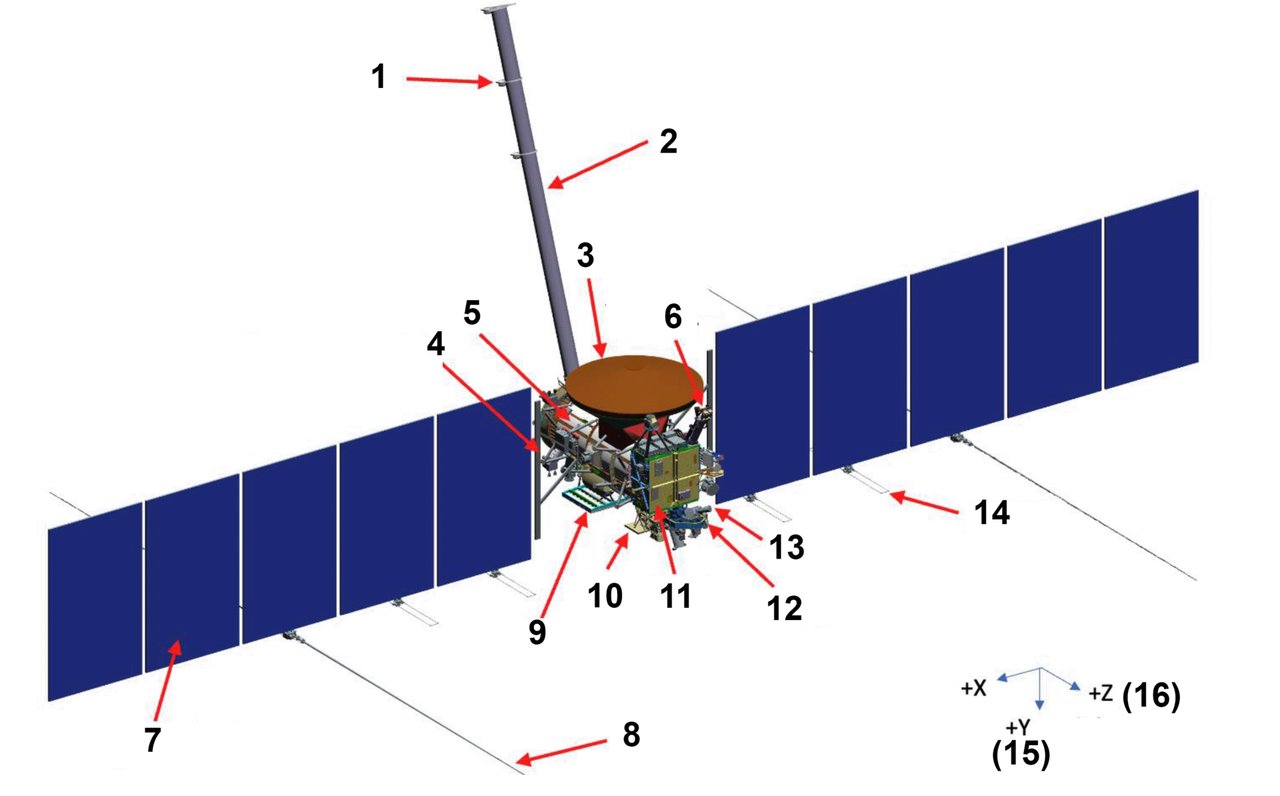
The roughly six-ton spacecraft needs huge arrays because sunlight near Jupiter is only around 3% of that near Earth. Its nine instruments include EIS cameras, MISE composition spectroscopy, Europa-UVS plume searches, E-THEMIS thermal imaging, REASON ice-penetrating radar, ECM magnetometry, PIMS plasma measurements, and MASPEX and SUDA composition measurements of gas and dust.
Why not land this time?
Radiation and uncertain surface conditions make landing difficult. Even a lander could not simply reach an ocean beneath many kilometers of ice. Clipper is a scout: mapping, measuring the shell, seeking plumes, and identifying useful areas for future exploration.
3D model source
The app’s appearance is adapted from NASA’s Europa Clipper model, used under NASA media guidelines without implying endorsement. The model is simplified, compressed, and adapted for display. Scale and initial attitude are illustrative rather than telemetry-derived.
Gold, champagne, and cool-toned components and soft presentation reflections enhance readability; these colors are not an exact reconstruction of the real spacecraft.