Leucus: a rotation that takes half a month
Some asteroids spin rapidly; this one turns remarkably slowly. What marks do its long days and nights leave on the surface?
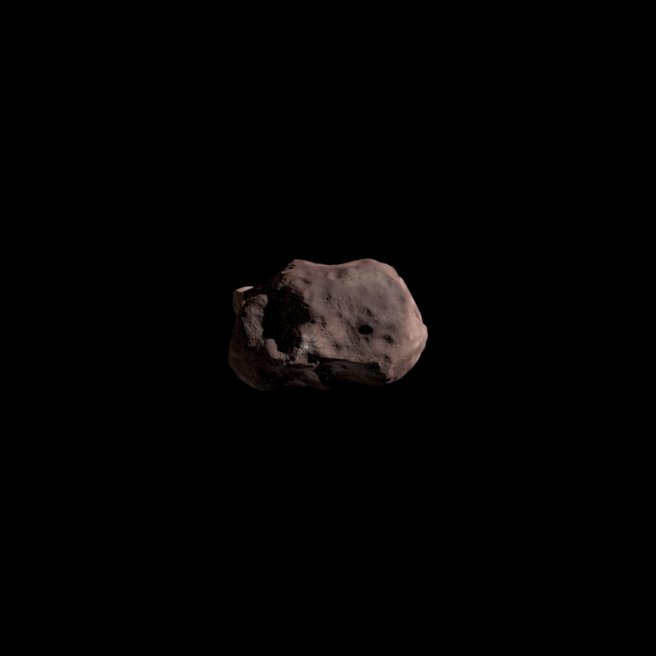
Photograph Leucus once a day and you would wait over two weeks for roughly one full rotation. Rotation about its own axis is distinct from its much larger orbit around the Sun.
How can a point reveal slow rotation?
An irregular body’s projected area and bright or dark terrain change as it turns. Repeating patterns in a light curve reveal the period. Leucus’s pronounced variations also suggest an elongated shape.
What do long days do to rocks?
Prolonged heating and cooling differ from those on fast-spinning bodies. Thermal radiation can suggest whether the surface is fine dust, rubble, or firmer material, much as sand and solid rock cool differently at night.
Why so slow?
Formation, impacts, and long-term evolution can all affect spin. Slow rotation alone cannot identify a unique cause. Comparisons with other targets help eliminate explanations rather than inventing a confirmed collision history.
How will Lucy study it?
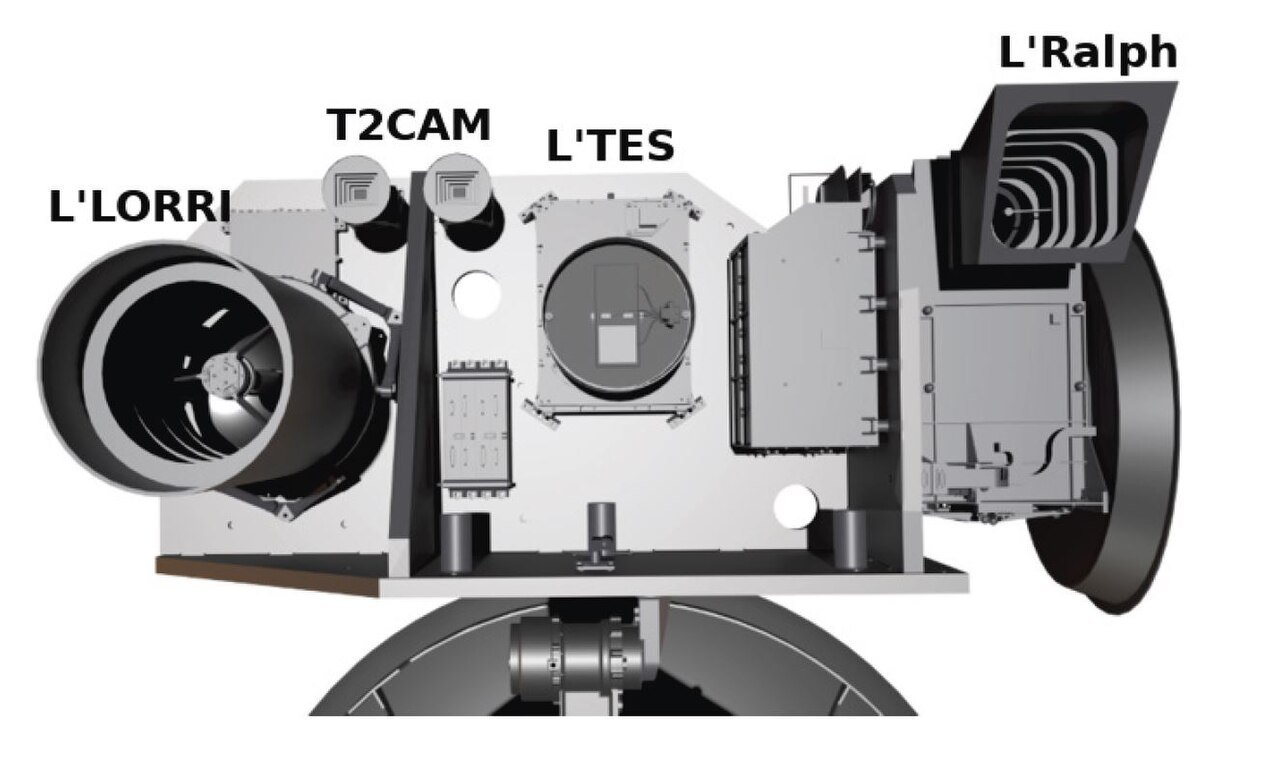
A flyby is planned for 2028. Comparing Leucus with fellow D-type Orus tests how similar spectral classes can hide different surfaces and spins. The cover remains clearly labeled artwork until close images arrive.