Neptune: calculated before it was seen
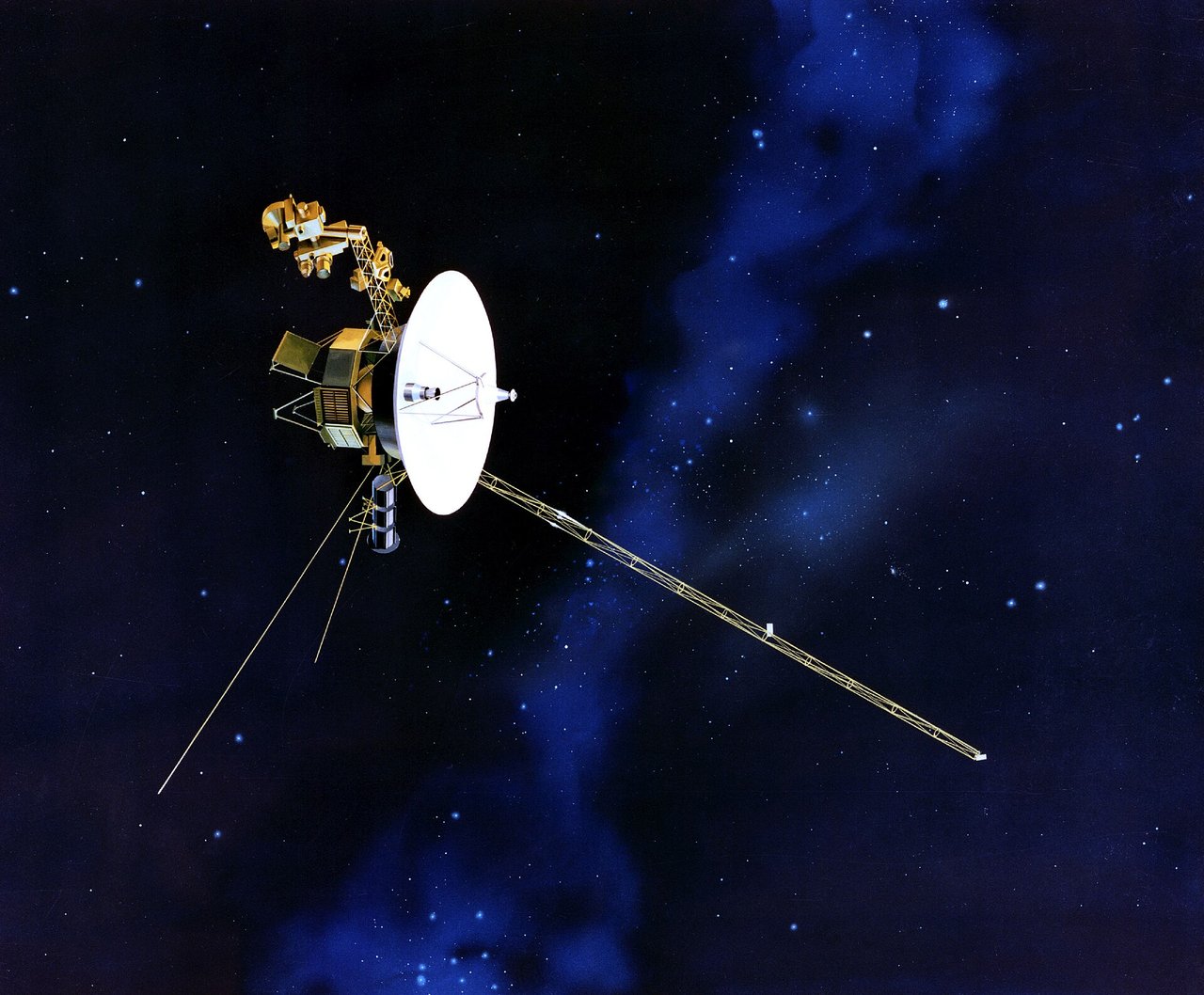
The most distant planet is a blue ice giant predicted mathematically before telescopes found it. It has winds exceeding 2,000 km/h and dark storms that can disappear. Voyager 2 made the only visit in 1989.
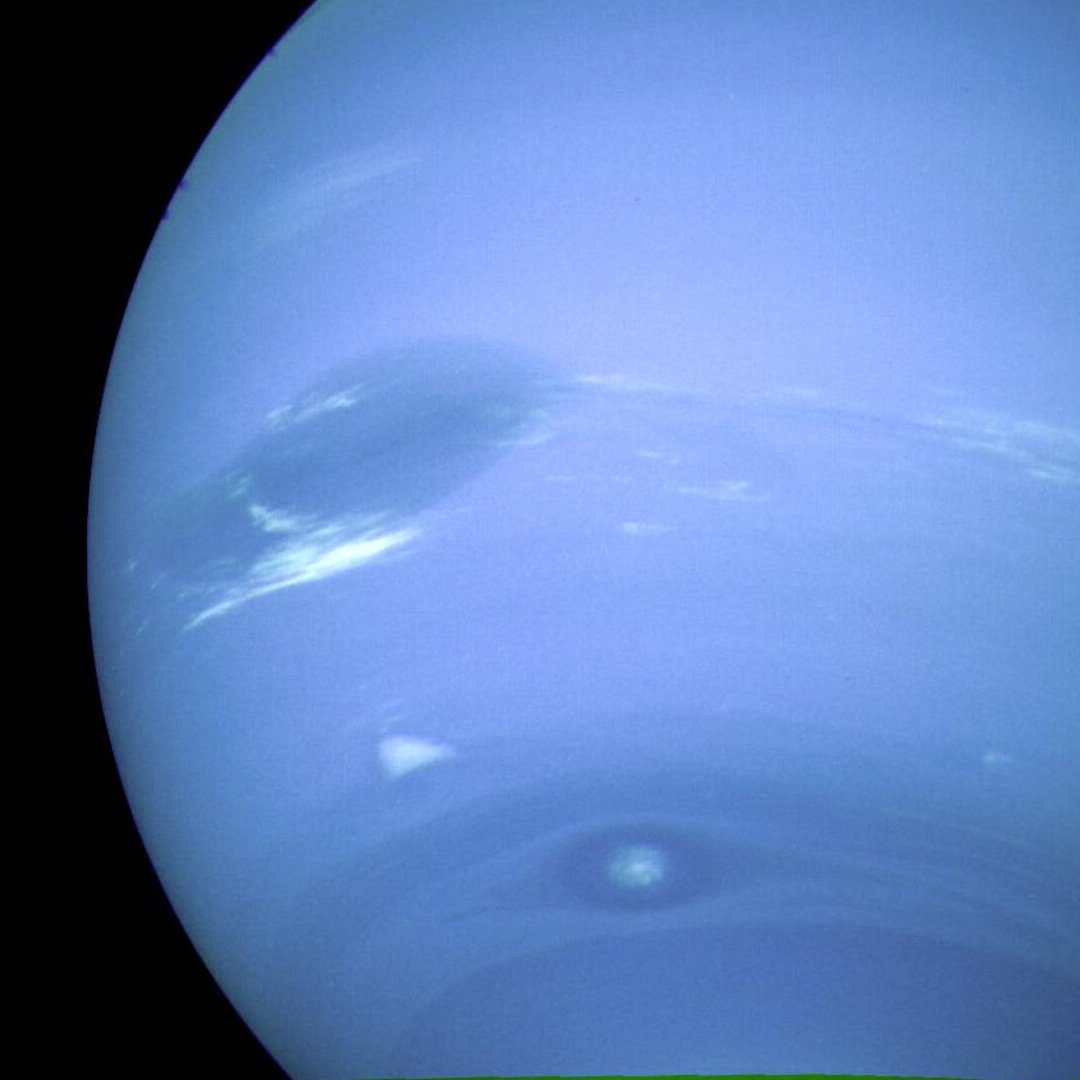
Far from the Sun, Neptune is a pale blue giant in a dim corner of the solar system. The eighth and most distant planet is about 49,244 km across, averages 4.5 billion km from the Sun, and takes nearly 165 years to orbit. Its cold atmosphere nevertheless has extraordinarily fast winds.
A planet found through mathematics
Nineteenth-century discrepancies in Uranus’s orbit suggested an unseen outer planet. John Couch Adams and Urbain Le Verrier independently calculated its likely position. On September 23, 1846, Johann Galle found Neptune within a degree of Le Verrier’s prediction.
Inside an ice giant
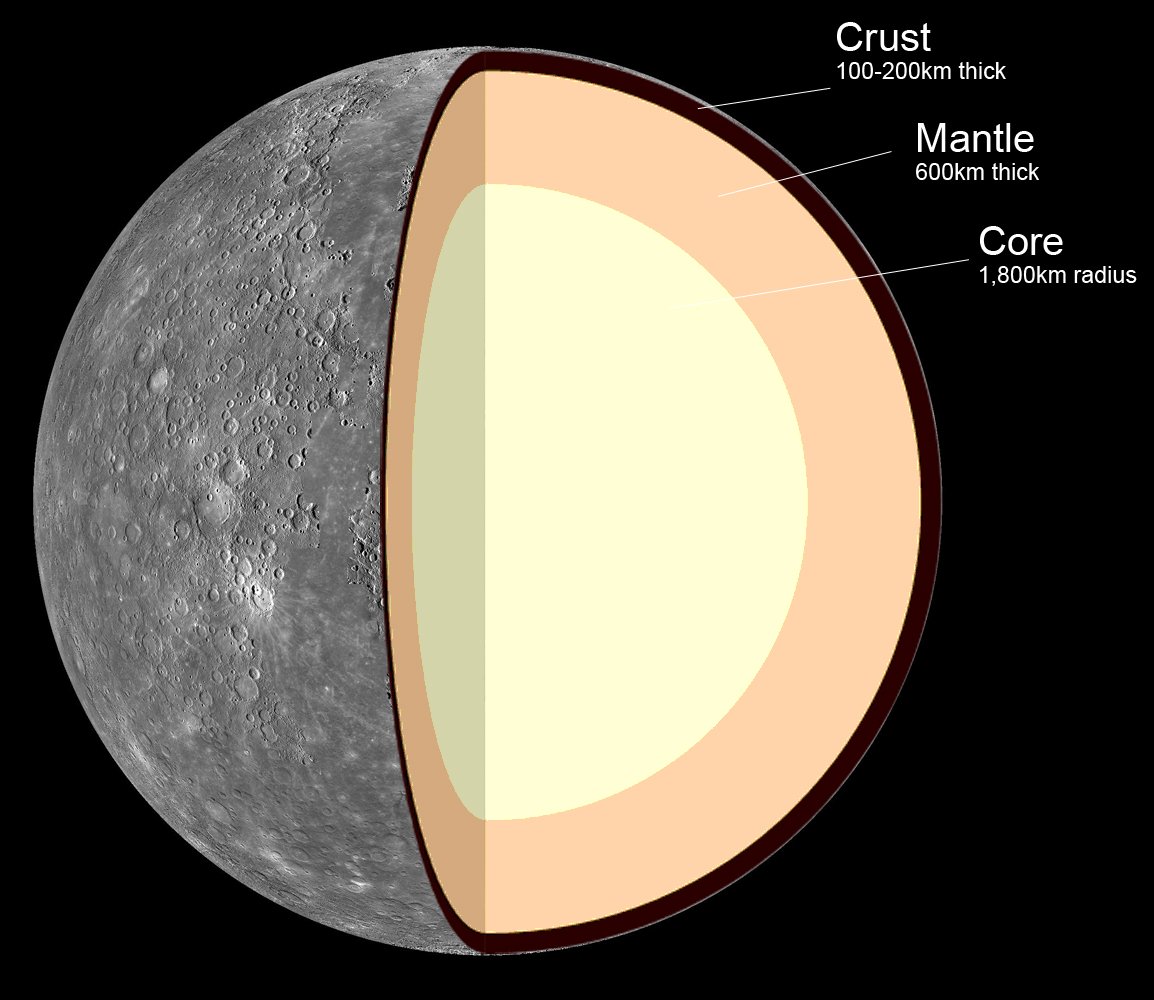
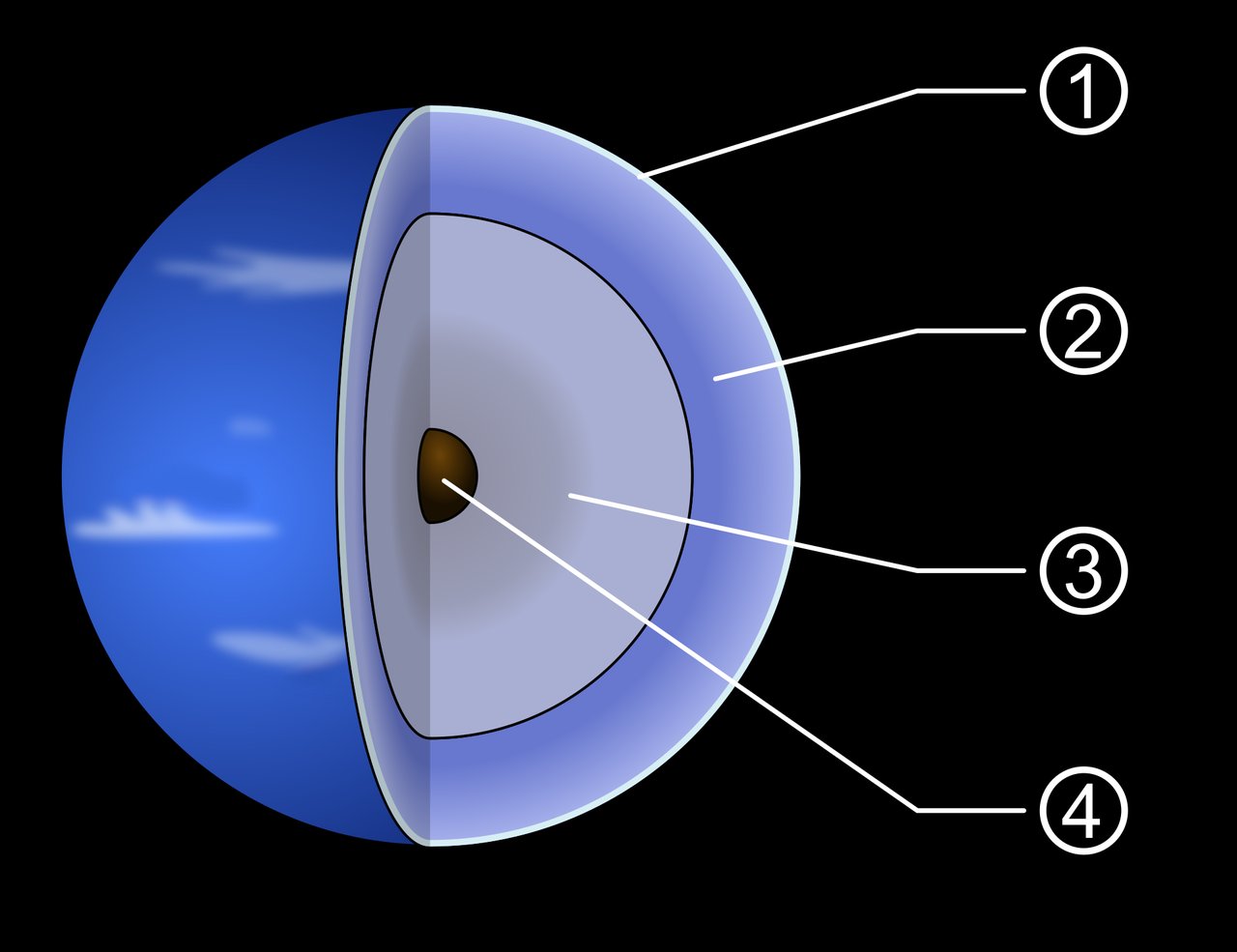
Compared with Jupiter and Saturn, Neptune contains less hydrogen and helium and more water, ammonia, and methane. Models include a methane-bearing atmosphere, a hot dense fluid mantle containing much of its mass, and a rock–ice core. Extreme pressure may separate carbon from methane into diamond-like material, inspiring the idea of diamond rain.
Powerful winds with little sunlight
Neptune receives only about one nine-hundredth of Earth’s sunlight. Cloud temperatures fall below −200°C, yet Voyager measured winds reaching 2,100 km/h. Internal heat is a leading explanation for the energy driving its vigorous atmosphere.
Storms that disappear
Voyager 2 found the Earth-sized Great Dark Spot in 1989, accompanied by bright methane-ice clouds and the fast-moving Scooter cloud. By 1994, Hubble found the original spot gone, while new dark storms appeared elsewhere.
Can you still see the Sun?
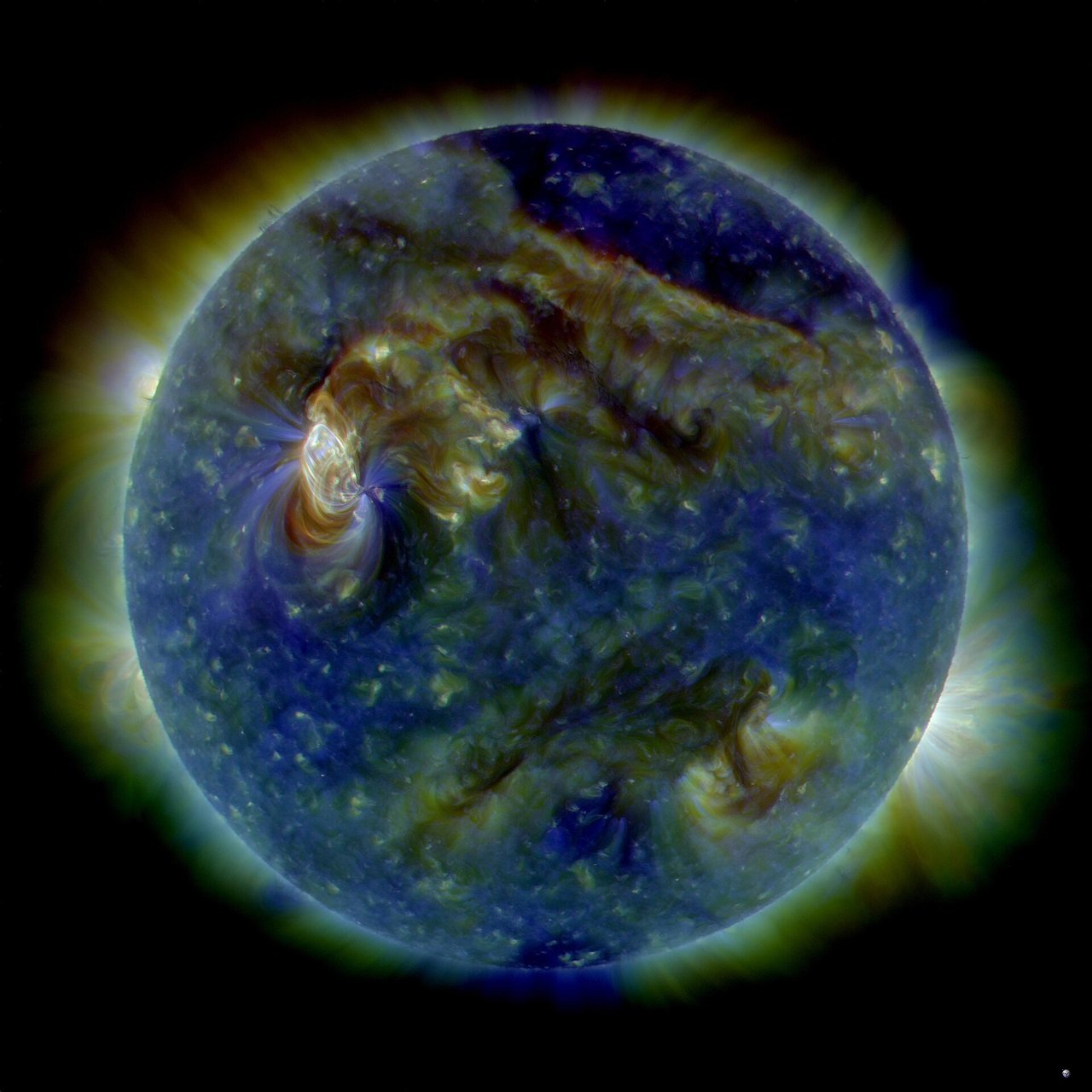
Yes. It remains far brighter than Earth’s full Moon, though it looks like a very bright small point. Radio signals take around four hours one way, so a spacecraft must handle immediate problems autonomously rather than await real-time commands.
Why only Voyager 2?
On August 25, 1989, Voyager 2 passed less than 5,000 km above the clouds, the only spacecraft visit so far. It studied faint rings, a magnetic field tilted roughly 47° from the rotation axis, and nitrogen geysers on Triton. Much of our close-up knowledge still comes from this brief encounter.