Patroclus: an ancient dance for two
Two similarly sized asteroids circle a common center. Could they preserve evidence of how bodies first met in the early solar system?
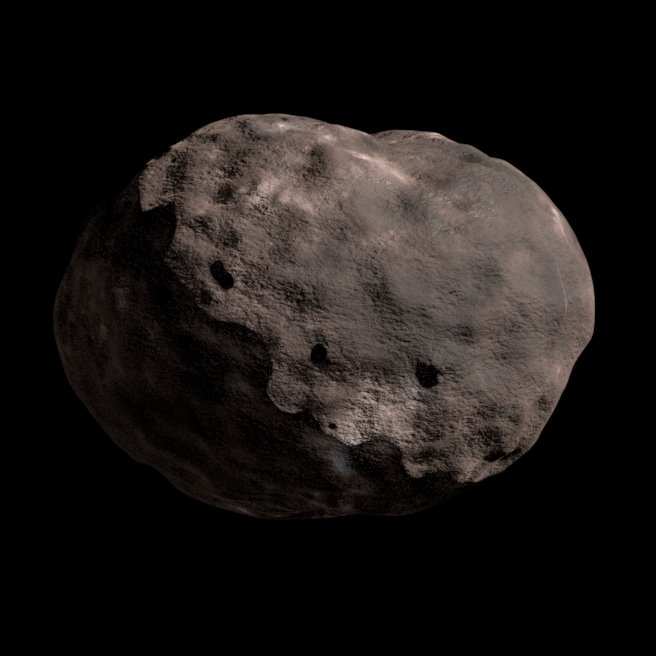
Patroclus and Menoetius resemble two similarly sized dance partners rather than a large planet with a tiny moon. They orbit a common center of mass while traveling together around the Sun.
What is a barycenter?
Think of a seesaw: similar weights balance near the middle, while an unequal pair balances closer to the heavier side. A binary has a comparable center of mass, without a physical beam or support.
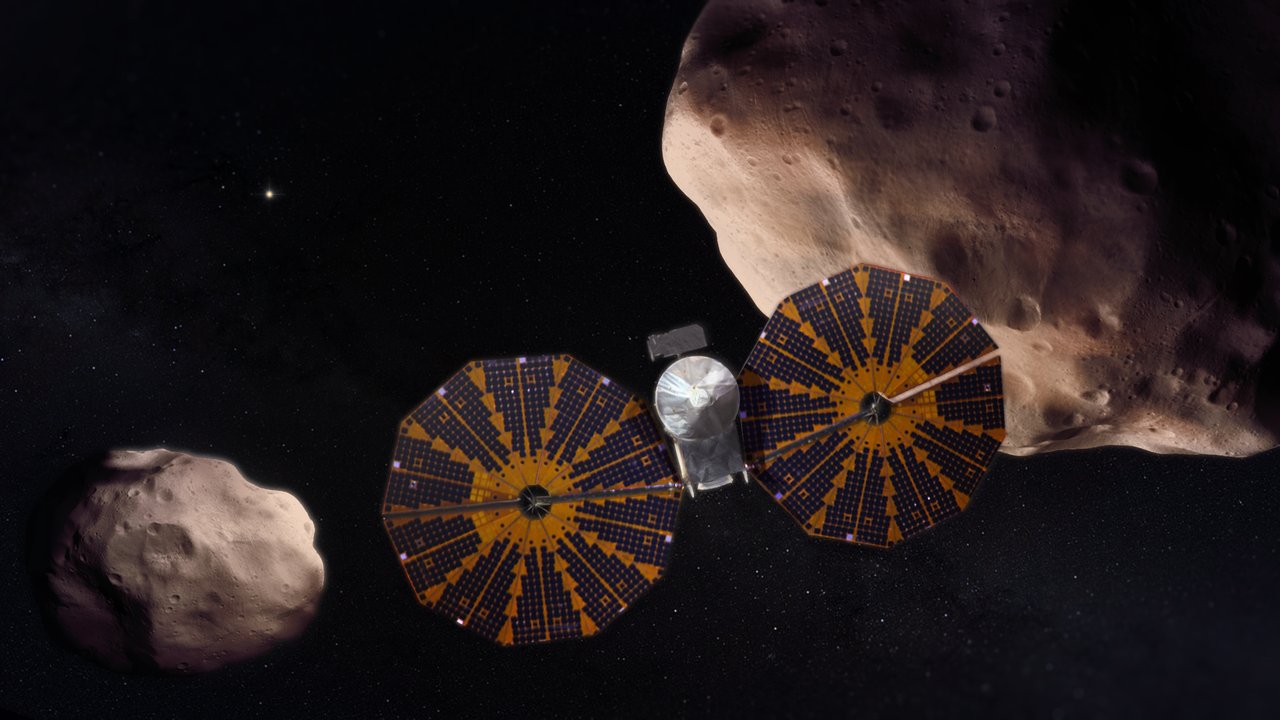
Could the dance be ancient?
Nearly equal-sized binaries may preserve clues to early assembly. If such a pair formed in the young solar system, how did it survive later disturbances? The answer can test migration and collision models, though the particular history still needs evidence.
Do they orbit Jupiter?
No. Their system occupies the trailing L5 Trojan region and orbits the Sun with a period similar to Jupiter’s. Their small mutual orbit is separate from the system’s larger solar orbit.
When will Lucy arrive?
The primary mission schedules a 2033 flyby. Imaging, spectra, and orbital measurements will compare size, color, and density. Similarities or unexpected differences could both reveal how the partnership began.