Uranus: why does it orbit on its side?
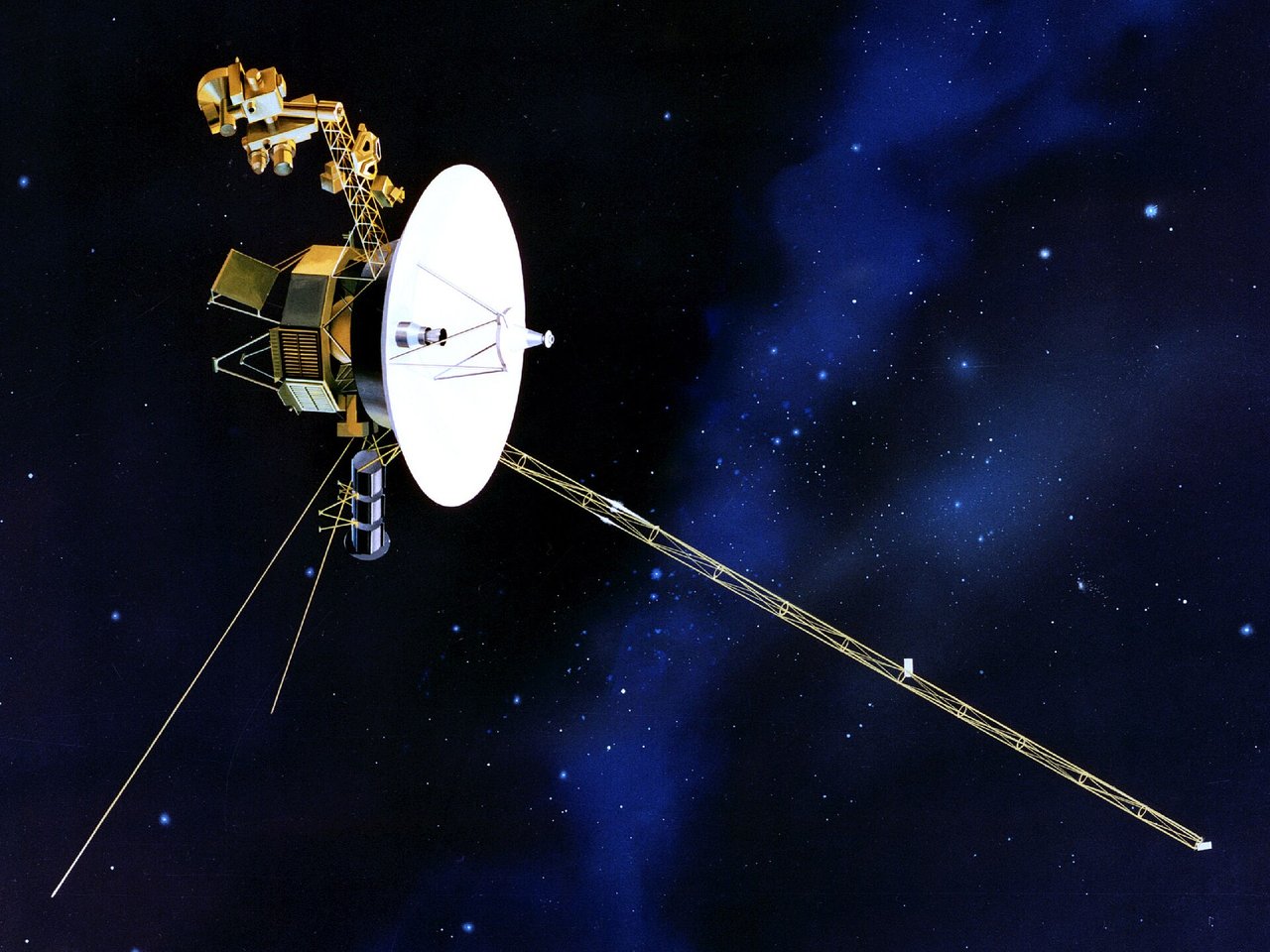
The seventh planet is a pale blue-green ice giant tilted by about 98°. Its atmosphere reaches roughly −224°C, the coldest measured for any planet. Voyager 2’s 1986 flyby remains the only visit, with a future orbiter being planned.
Uranus resembles a pale cyan ball rolling sideways around the Sun. The seventh planet is about 51,118 km across, roughly four Earth diameters, and averages 2.9 billion km from the Sun. An orbit takes 84 Earth years, with seasons lasting over twenty years.
A planet on its side
Its axis is tilted about 98°, perhaps because of an early giant impact. This creates extreme polar seasons with decades of sustained illumination or darkness. Its rings and moons share the unusual orientation.
Inside an ice giant
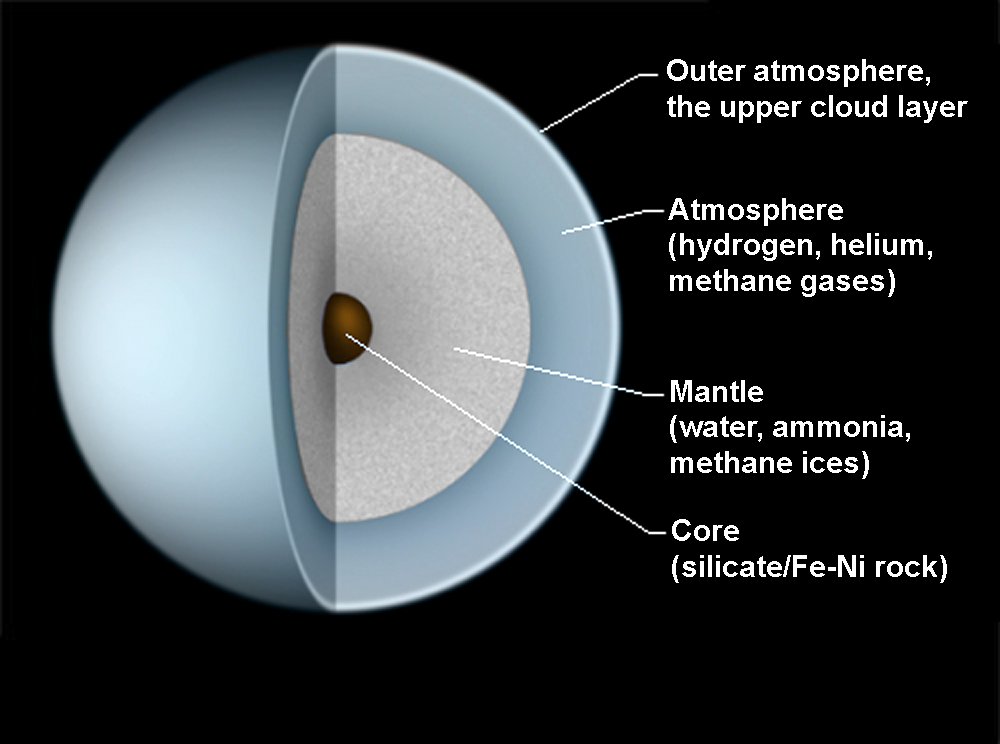
Uranus and Neptune are ice giants, distinct from Jupiter and Saturn. Hydrogen and helium dominate the outer atmosphere, while roughly 2% methane absorbs red light, producing the blue-green appearance.
Below is no solid surface but a hot, dense interior rich in water, ammonia, and methane, surrounding a rocky and metallic core. Uranus releases unusually little internal heat compared with the other giant planets, a longstanding puzzle.
Why blue-green?
Methane removes red sunlight, leaving more blue and green. The color does not indicate oceans or solid ground. Natural-color views are generally paler than enhanced images; infrared and other bands are often assigned colors to reveal clouds and storms.
The coldest planetary atmosphere
Its tropopause can reach about −224°C, or 49 K, colder than Neptune’s despite being closer to the Sun. Weak internal heat may help explain this. Visible images can look quiet, while infrared reveals clouds, storms, and polar structures.
The only visit: 1986
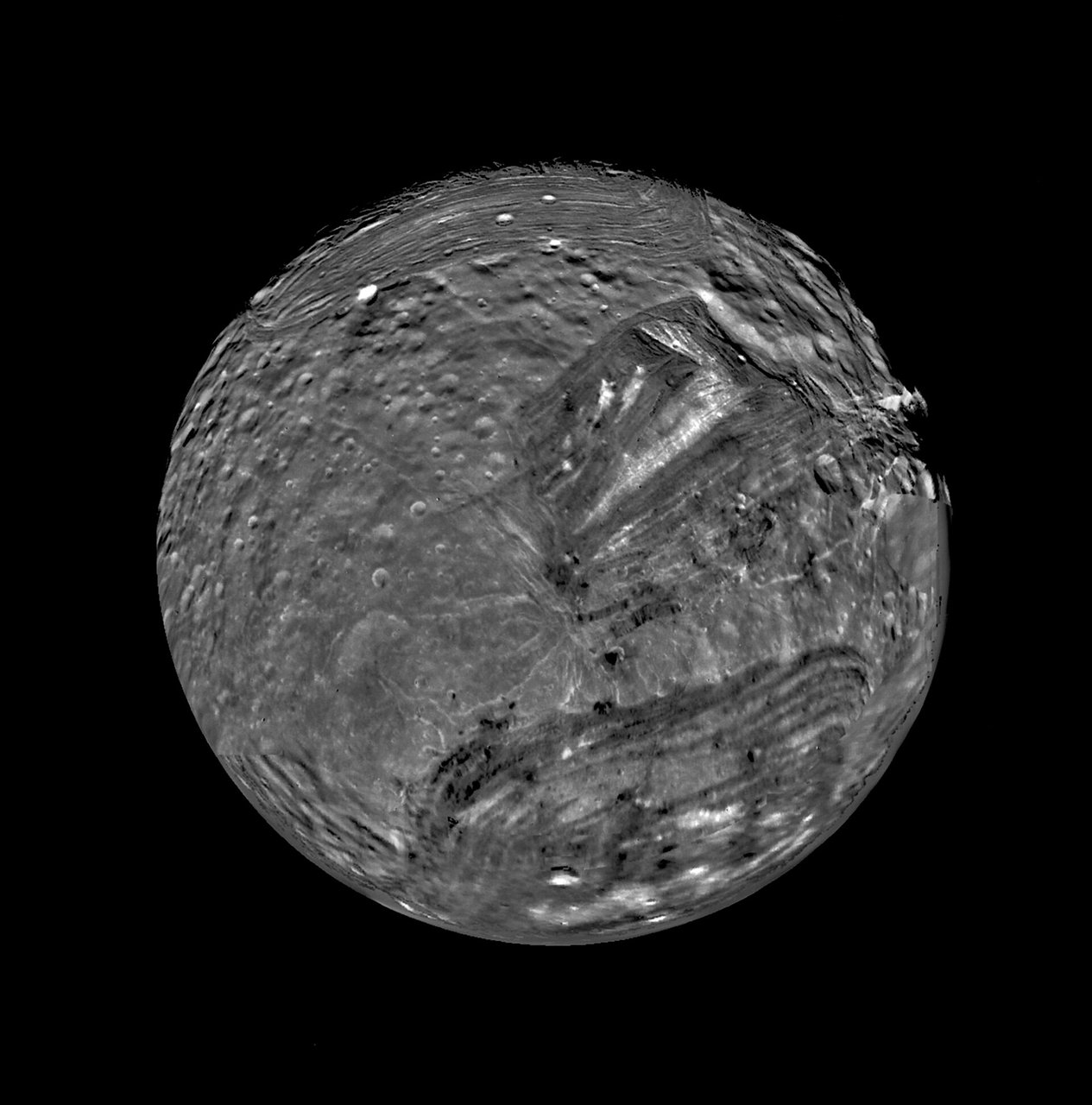
On January 24, 1986, Voyager 2 passed about 81,500 km above the clouds. It returned thousands of images, discovered ten moons and two rings, measured a strongly tilted magnetic field, and photographed Miranda’s extraordinary terrain. No spacecraft has returned since.
Why return?
Its heat, magnetic field, and possible moon oceans remain poorly understood. The 2022 US planetary decadal survey prioritized a Uranus Orbiter and Probe flagship concept. It is not yet an approved launch mission; funding, development, and dates remain to be established.