Amateur radio satellites
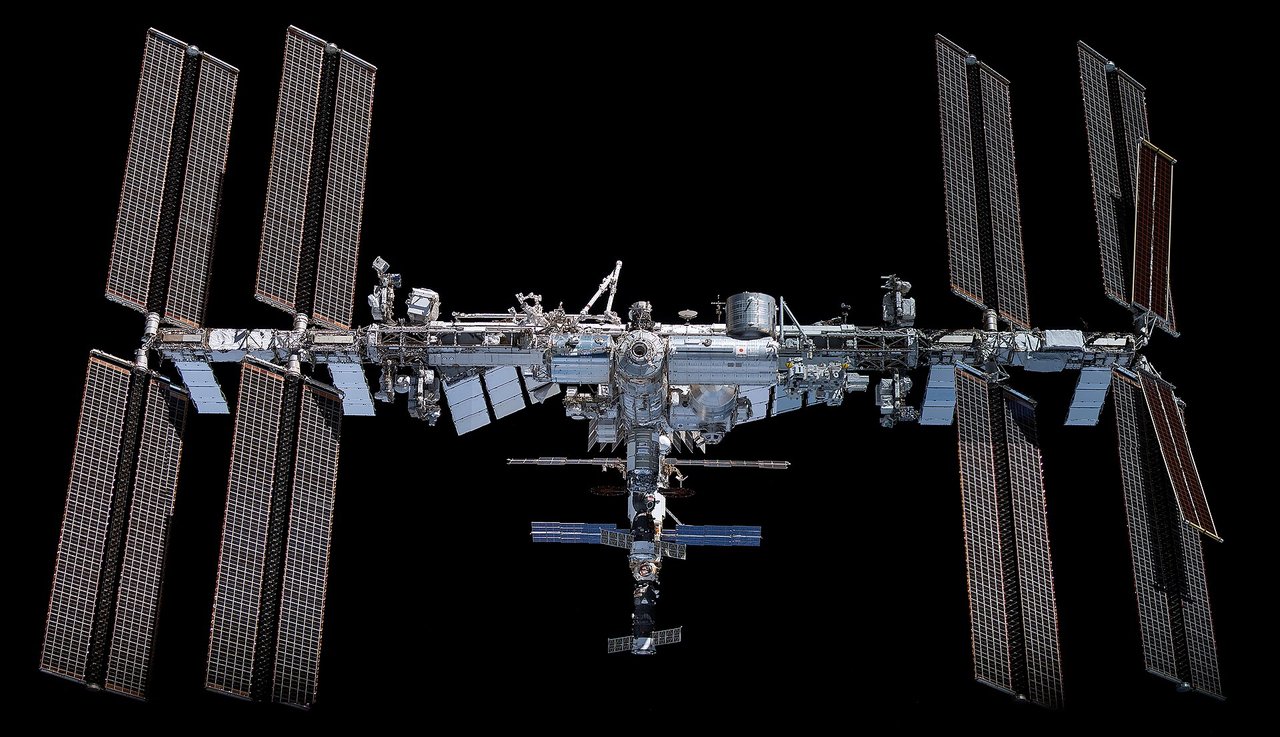
Radio enthusiasts have built and operated these satellites since OSCAR 1 in 1961. A dual-band radio and a Yagi antenna can make space contacts through FM repeaters such as SO-50, or even the ISS.
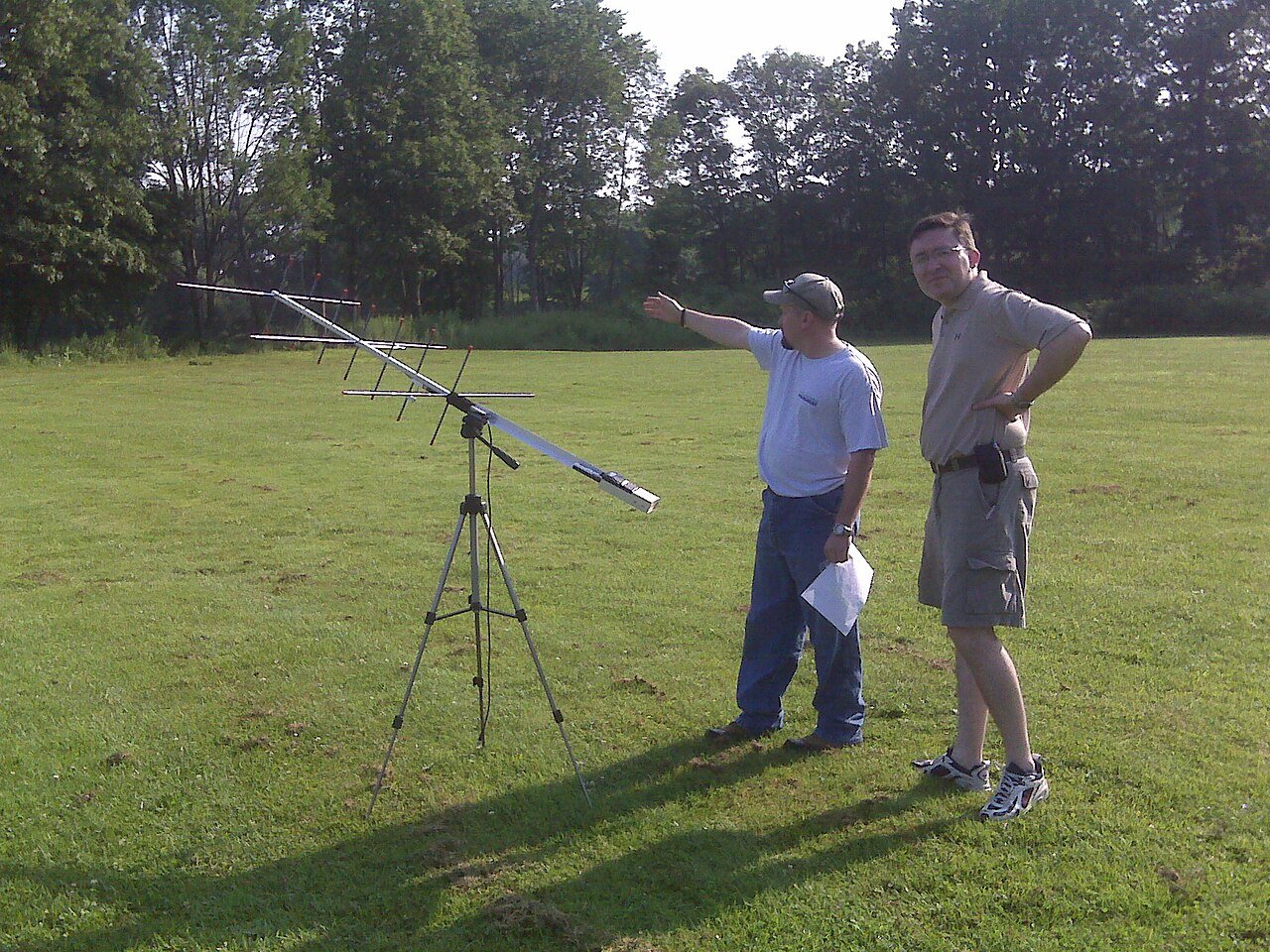
With an antenna in an open field, you may contact someone thousands of kilometers away without mobile internet. An amateur radio satellite relays the signal.
Many are built by radio clubs or universities and carry amateur-band transponders. Operators with the required qualifications can communicate on permitted frequencies.
It began with OSCAR 1
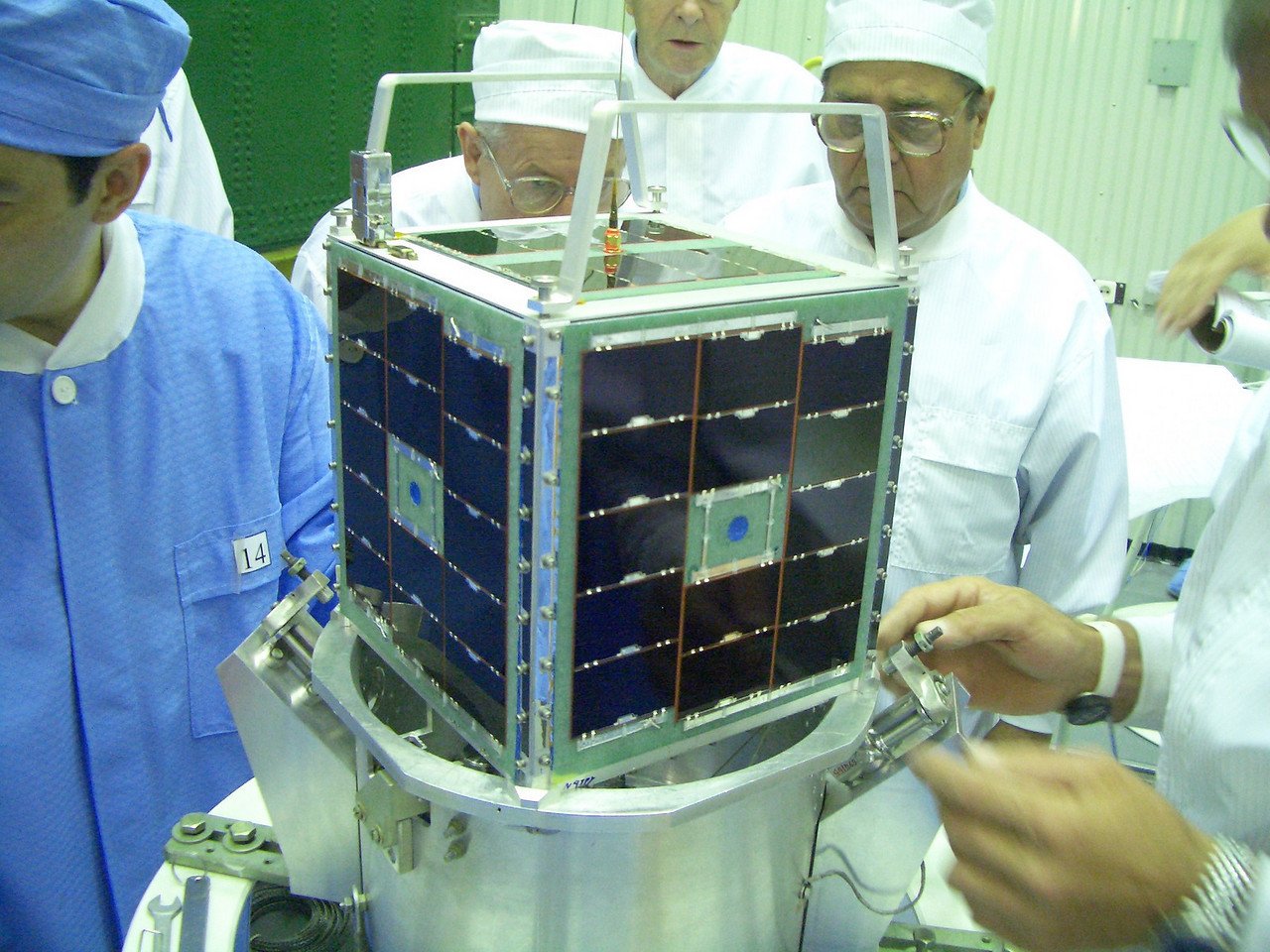
On December 12, 1961, OSCAR 1, built with US radio-amateur participation, launched just four years after the first artificial satellite. OSCAR stands for Orbiting Satellite Carrying Amateur Radio. AMSAT, founded in 1969, continued the effort, with enthusiasts and students worldwide joining later projects.
What are they used for?
An FM repeater receives on one band and transmits on another, acting as a relay in the sky. A pass may last only minutes, so contacts are brief.
Linear transponders relay a portion of the spectrum for single-sideband voice and Morse code. The ISS also carries amateur equipment and offers repeater operations or other activities at selected times.
Can anyone try?
To transmit, first learn local radio regulations and obtain the appropriate qualifications. Equipment can be a dual-band radio and handheld Yagi antenna, but operation requires more than pressing the transmit button.
As a satellite approaches and recedes, Doppler shift changes the received frequency, like the changing pitch of an ambulance siren. Operators must track the satellite and adjust their antenna and frequency.
What if I only want to listen?
Where local rules permit, receiving is usually easier to begin with than transmitting. Look up a pass and try receiving telemetry or repeater contacts in an open location. Do not transmit without the required authorization.
OSCAR 7, launched in 1974, fell silent after a battery failure in 1981 but was found operating in sunlight again in 2002. The QO-100 geostationary transponder covers much of Europe, Africa, and Asia, offering a very different experience from brief low-orbit passes.