China Space Station (Tiangong)
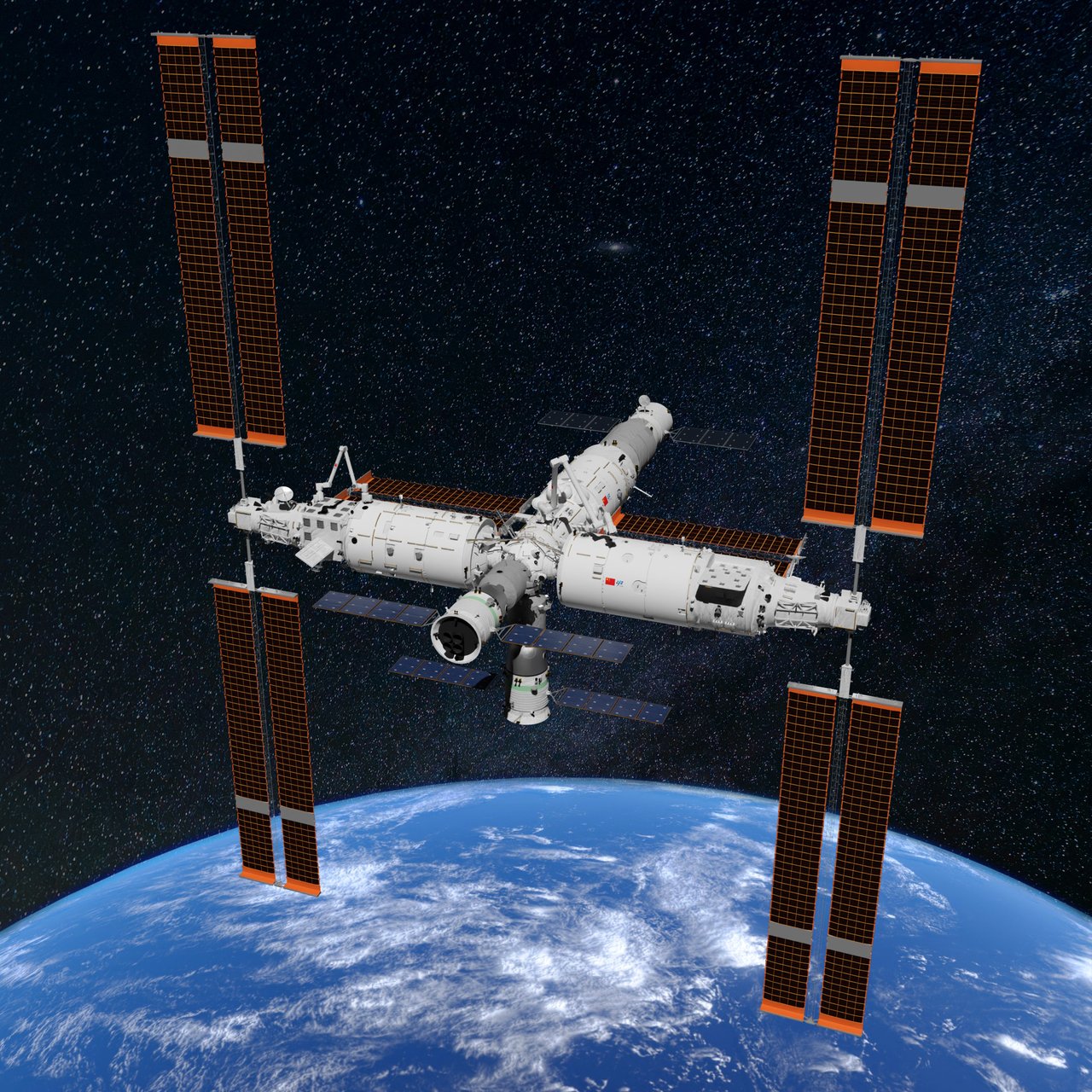
China’s independently built crewed space station forms a T shape with the Tianhe core module and the Wentian and Mengtian laboratories. It normally hosts three crew members as a national space laboratory.
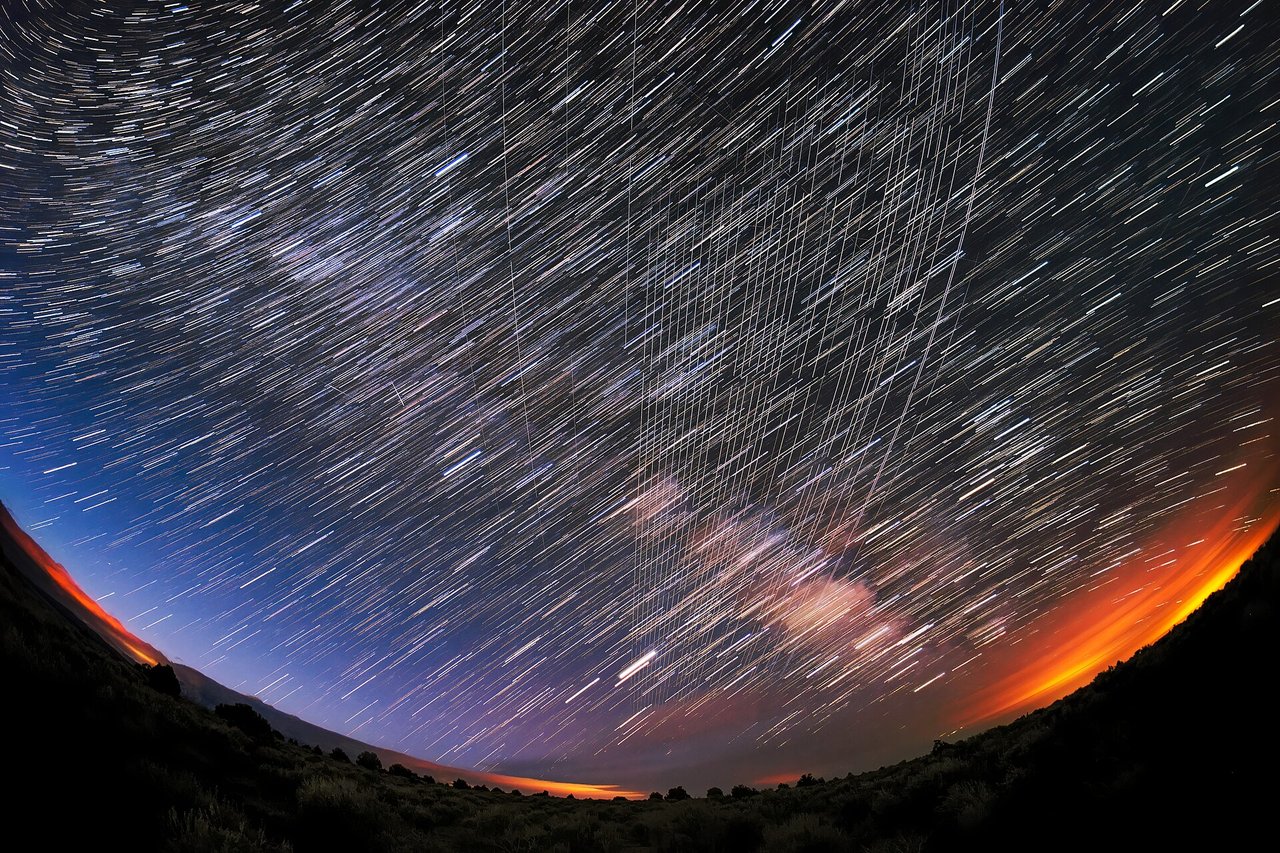
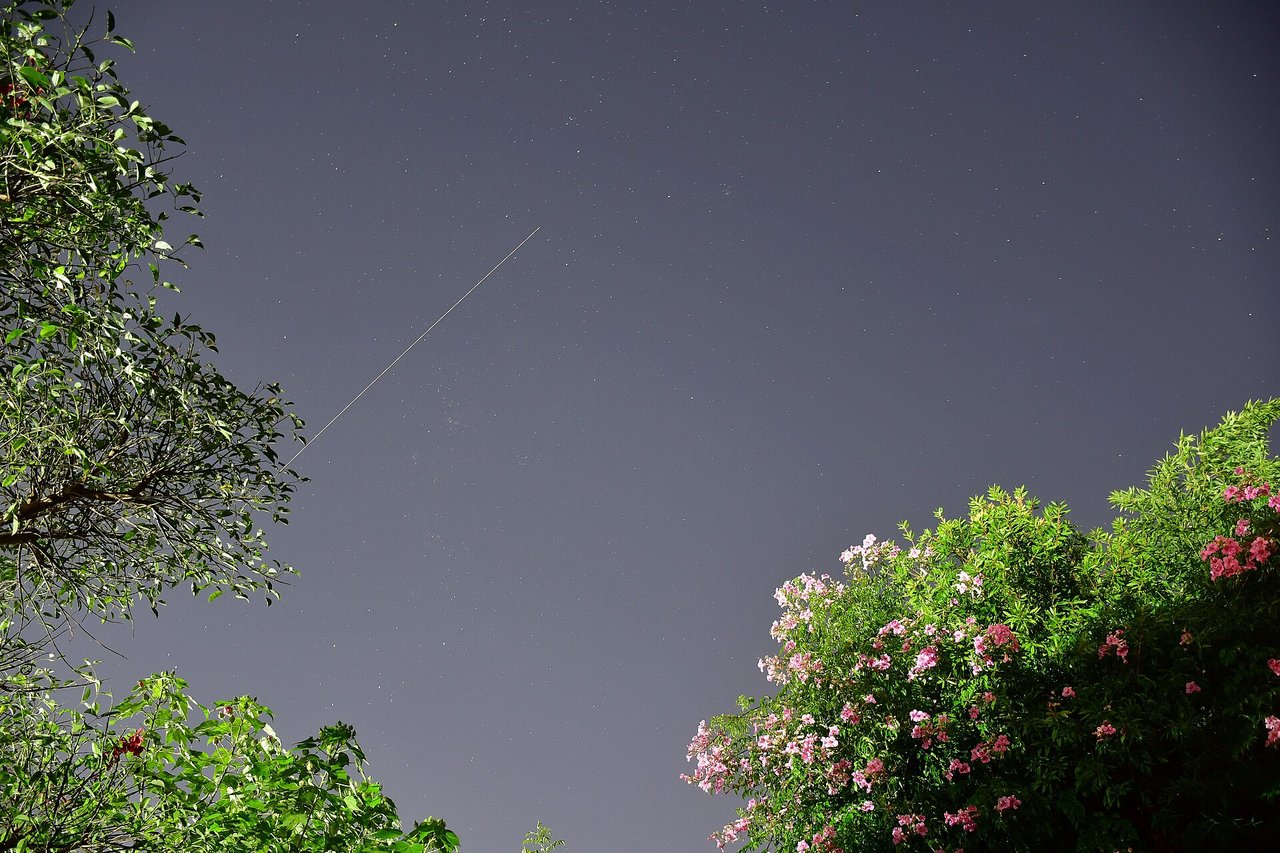
If a steady bright point crosses the evening sky, it could be China’s Tiangong space station. It travels in low Earth orbit about 400 km up, circling Earth approximately every 90 minutes.
What is it?
Tiangong’s main structure comprises the Tianhe core module and the Wentian and Mengtian laboratories: a living room and two laboratories in space.
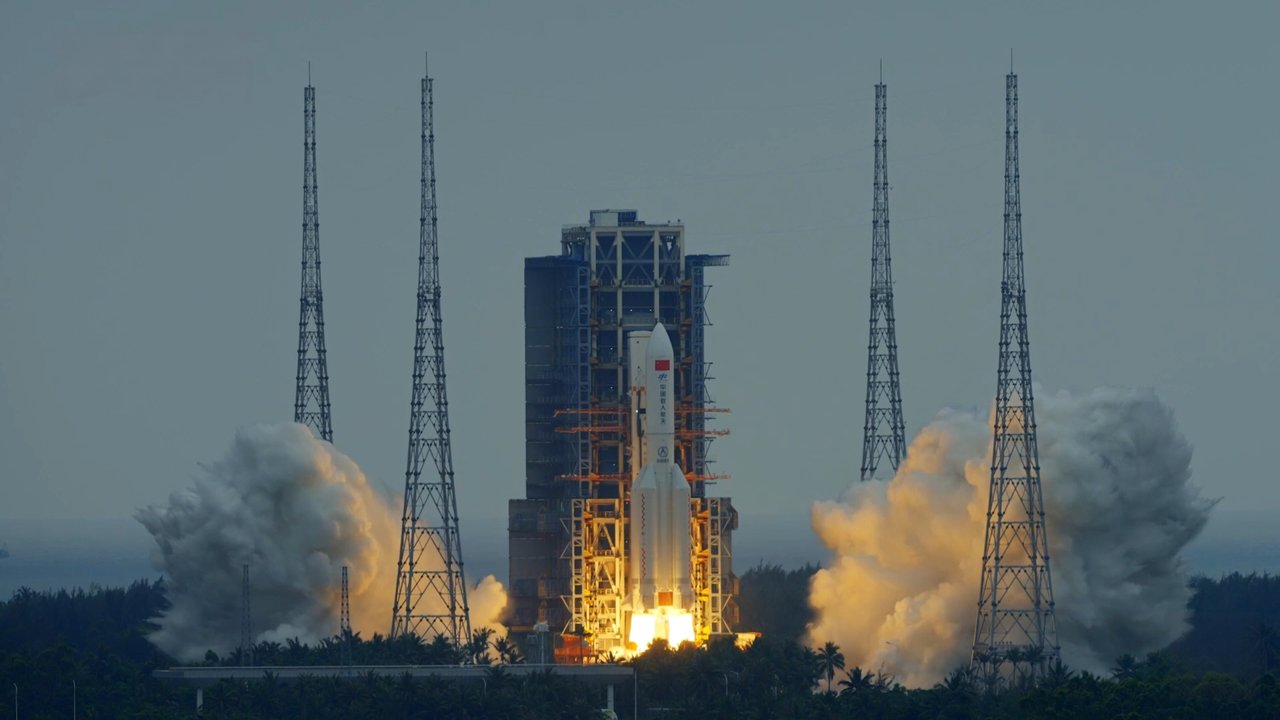
Tianhe launched on April 29, 2021, providing control, management, and crew accommodation. Wentian and Mengtian docked in 2022, completing the stable T-shaped configuration. The three modules together exceed 60 metric tons.
What is it used for?
Tiangong has more than twenty scientific experiment racks studying fluids, materials, and life in microgravity. Space-based fish experiments and televised lessons demonstrate this unusual environment.
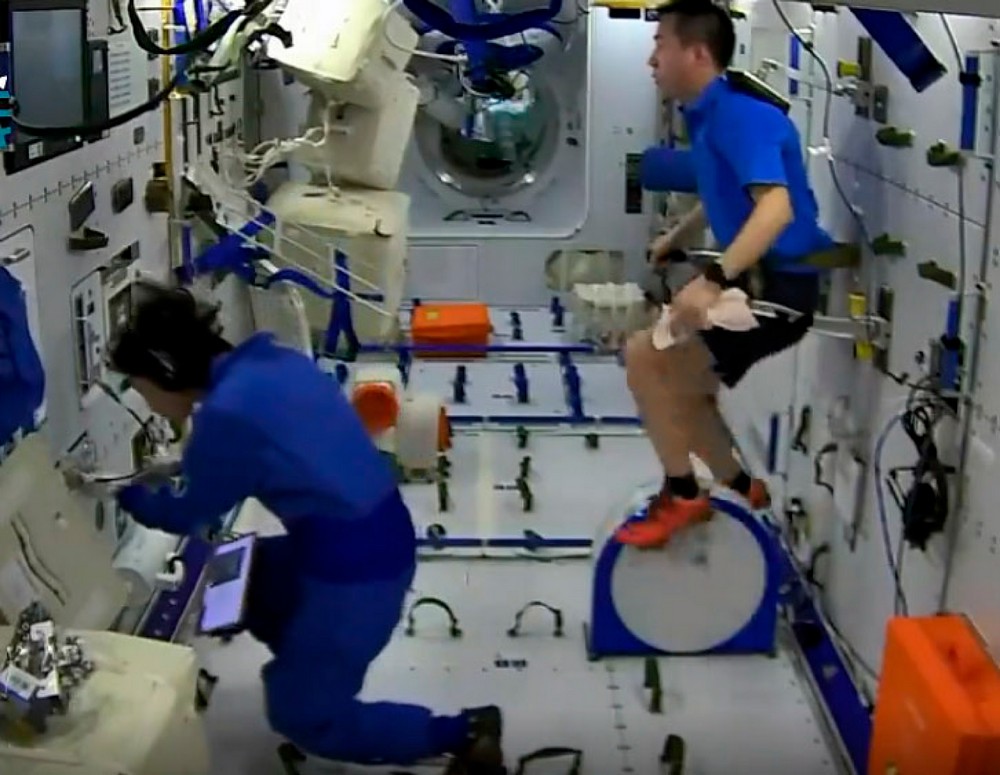
Outside, a large robotic arm assists spacewalks and moves payloads and modules. The station supports three astronauts for long stays and briefly six people during crew handovers.
Milestones
Its completion fulfilled the China Manned Space Program’s 30-year, three-step strategy: send people to space with Shenzhou, practice docking and short stays, then build a long-term station. It was like learning to reach the building site, assemble a home, and finally move in.
What is a day like aboard Tiangong?
The station sees about 16 sunrises and sunsets every 24 hours. Astronauts do not wake with every sunrise; they follow Beijing time for work, exercise, and sleep to maintain their body clocks.
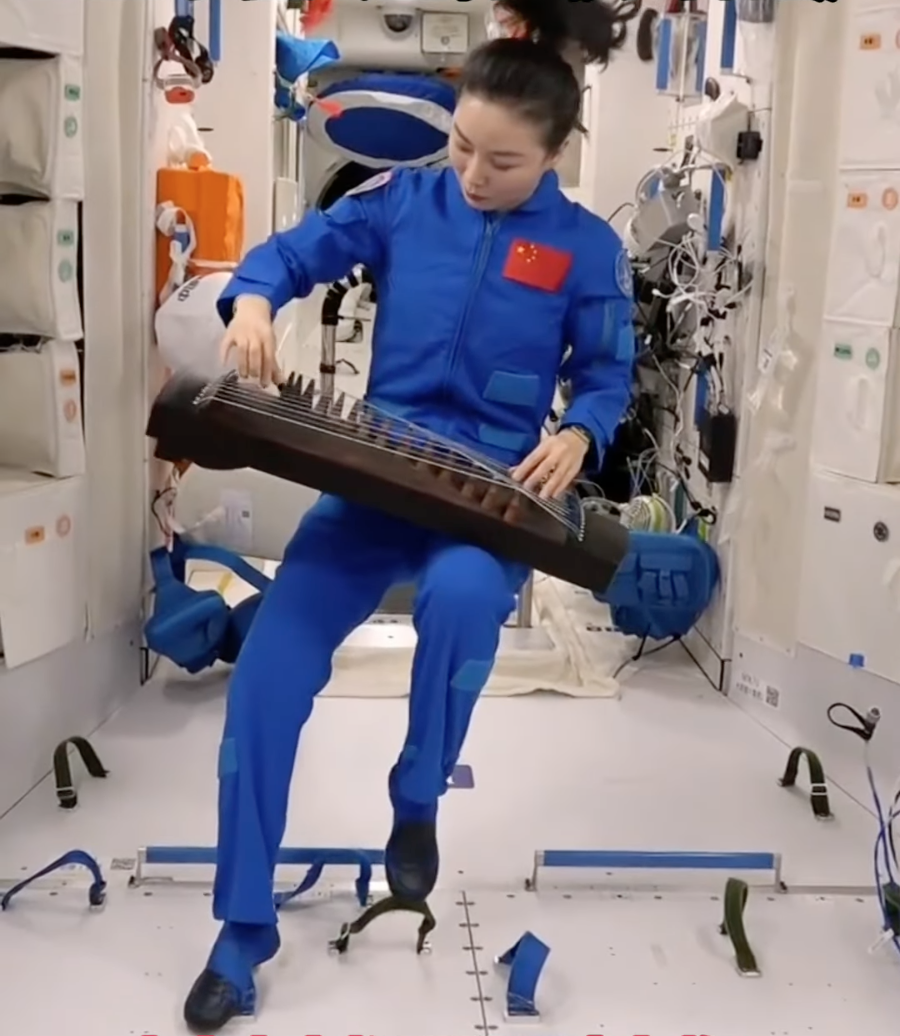
“Tiangong” means heavenly palace, from ancient Chinese mythology. “Tianhe” evokes harmony between humanity and heaven; “Wentian” and “Mengtian” express questioning and dreaming of the sky.