International Space Station (ISS)
Imagine a laboratory the size of a football field circling Earth every 90 minutes. Astronauts live and experiment here, experiencing about 16 sunrises a day.
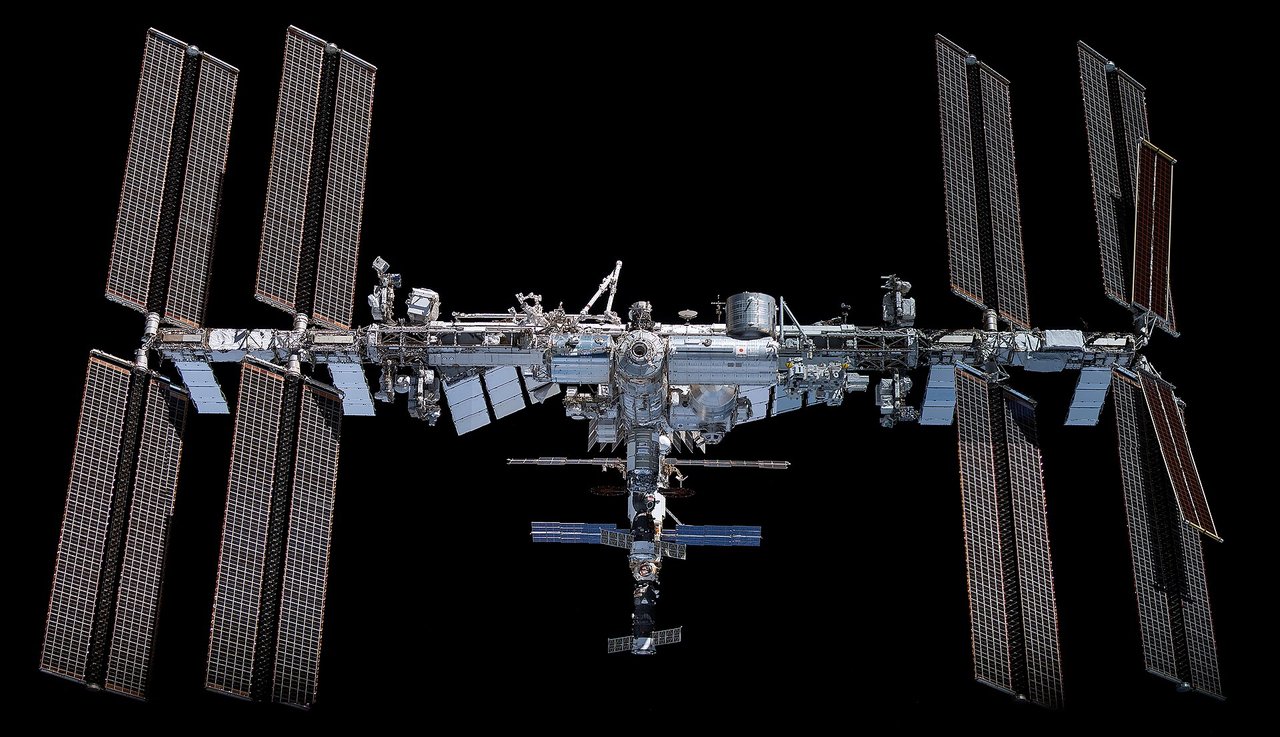
Imagine a metal city the size of a football field passing overhead at many times an aircraft’s speed. This is the International Space Station (ISS), the largest artificial object humanity has assembled in orbit.
It is operated by five space agencies—NASA, Roscosmos, ESA, JAXA, and CSA—with 15 countries participating in its construction and use. It weighs about 420 metric tons and orbits roughly 400 km above Earth.
What is it?
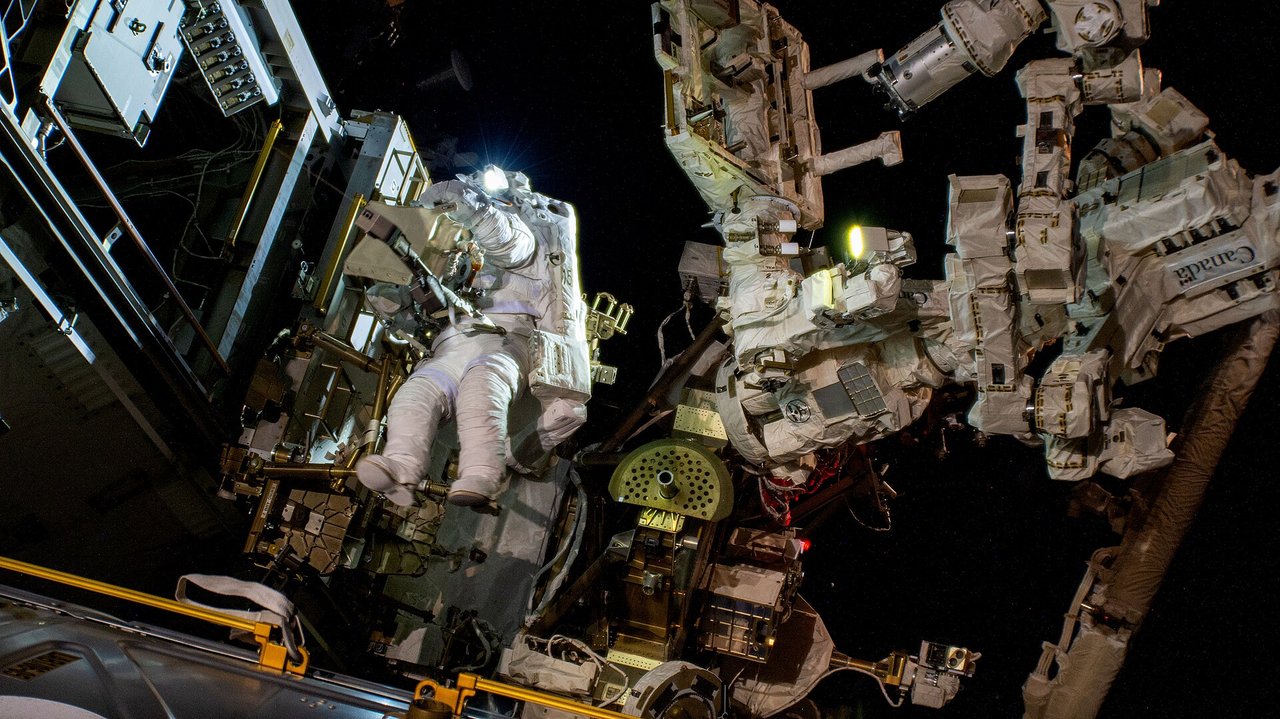
Russia’s Zarya module launched in November 1998. Over the following decade, spacecraft delivered modules and solar arrays piece by piece, like assembling blocks on a vehicle moving at 28,000 km/h. Expedition 1 arrived on November 2, 2000; the station has been continuously occupied ever since.
What is it used for?
The ISS is a microgravity laboratory. Microgravity does not mean gravity is absent: the station and everyone inside are continuously falling around Earth together, making them appear to float.
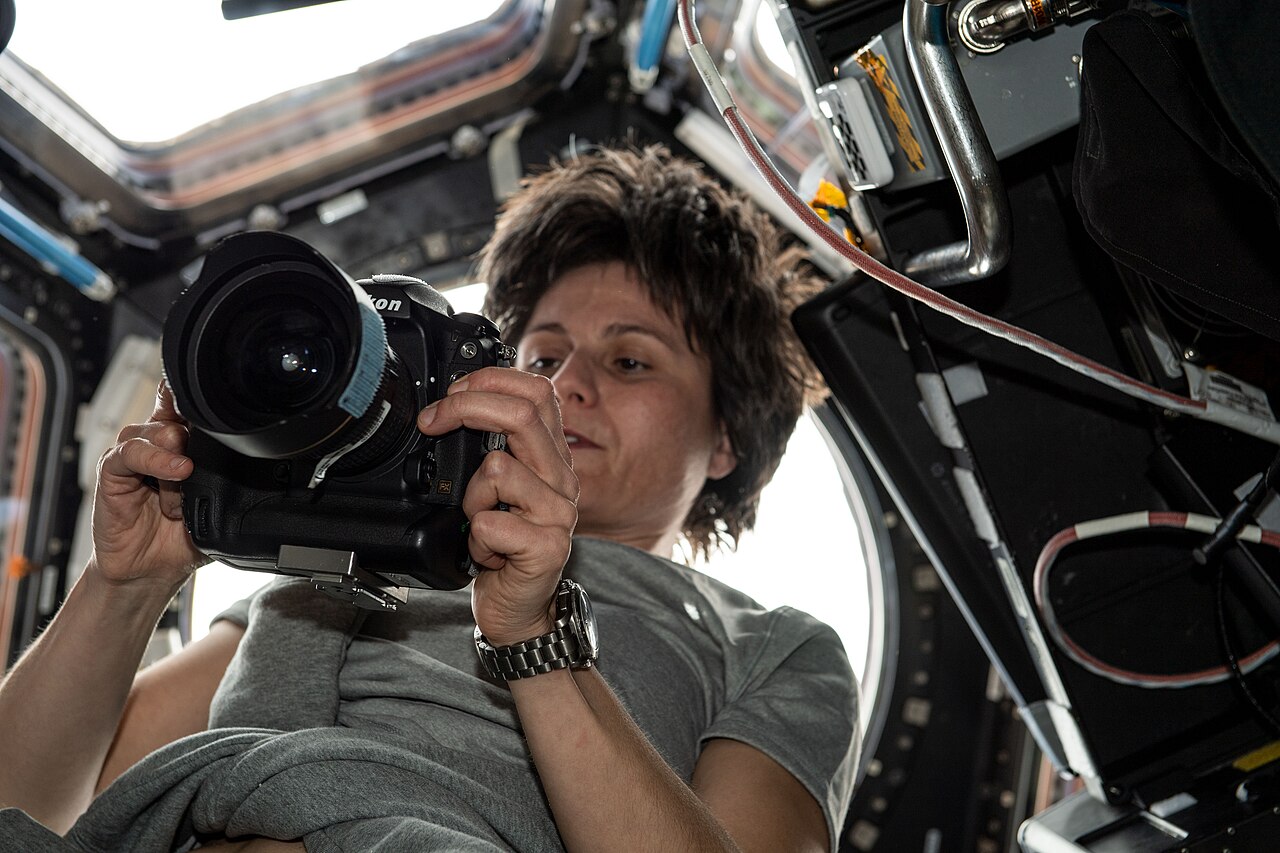
Astronauts study fluids, flames, plants, and the human body, and test life-support and docking technologies. This research benefits life on Earth and prepares for more distant missions to the Moon and Mars.
Can we see it?
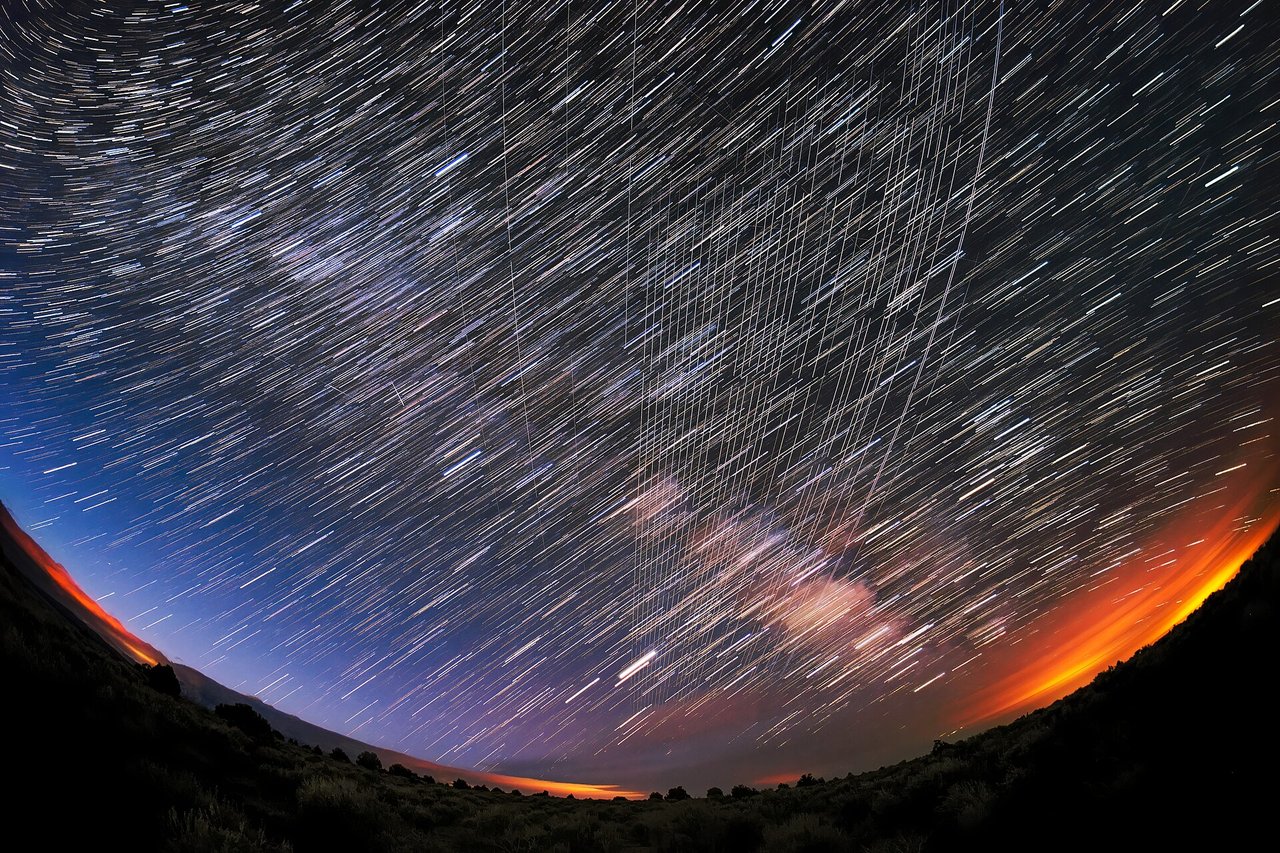
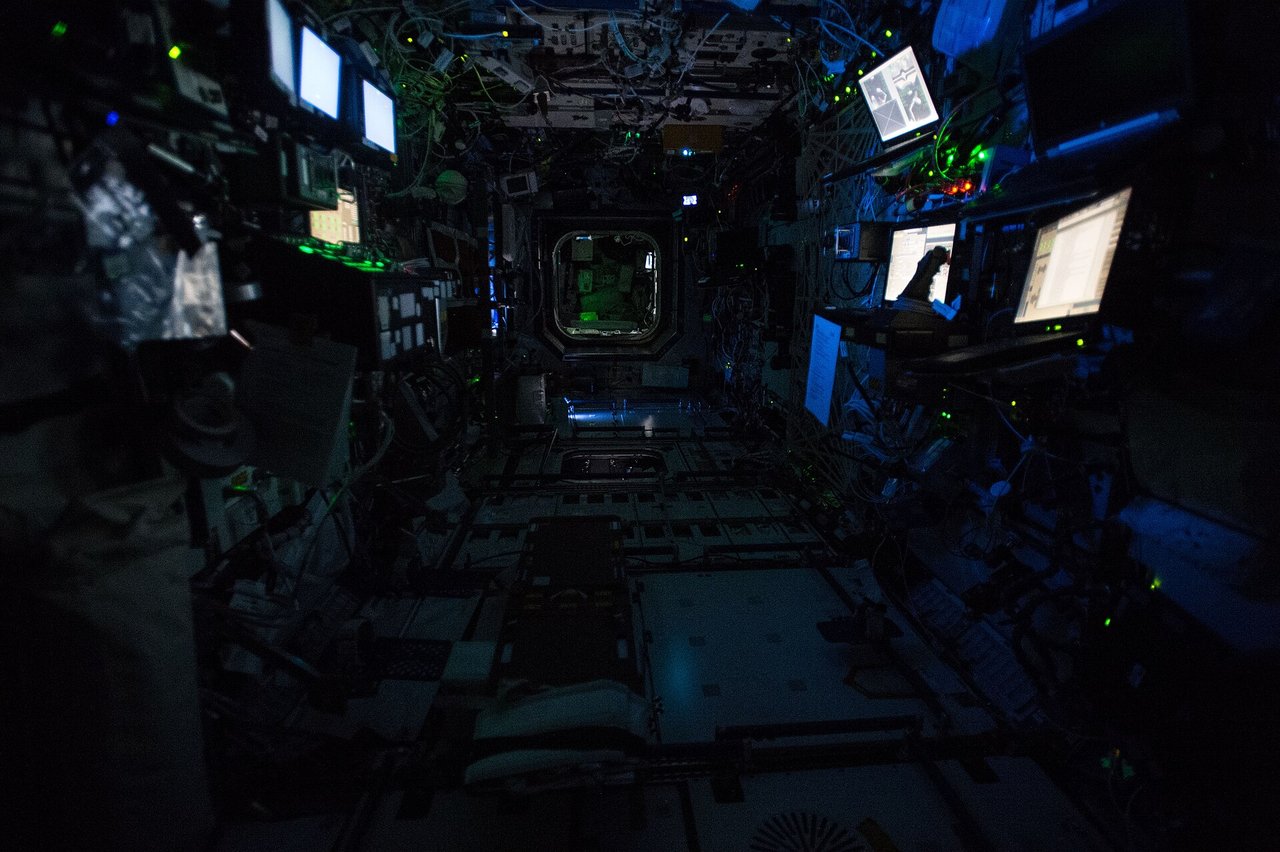
Yes, without a telescope. During a suitable pass, it looks like a bright, steadily moving star crossing the sky in a few minutes. It circles Earth roughly every 90 minutes, giving astronauts about 16 sunrises and sunsets a day.
Current plans call for retirement around 2030, followed by controlled reentry to direct surviving components toward a remote ocean region.