Amazon Leo (formerly Project Kuiper)
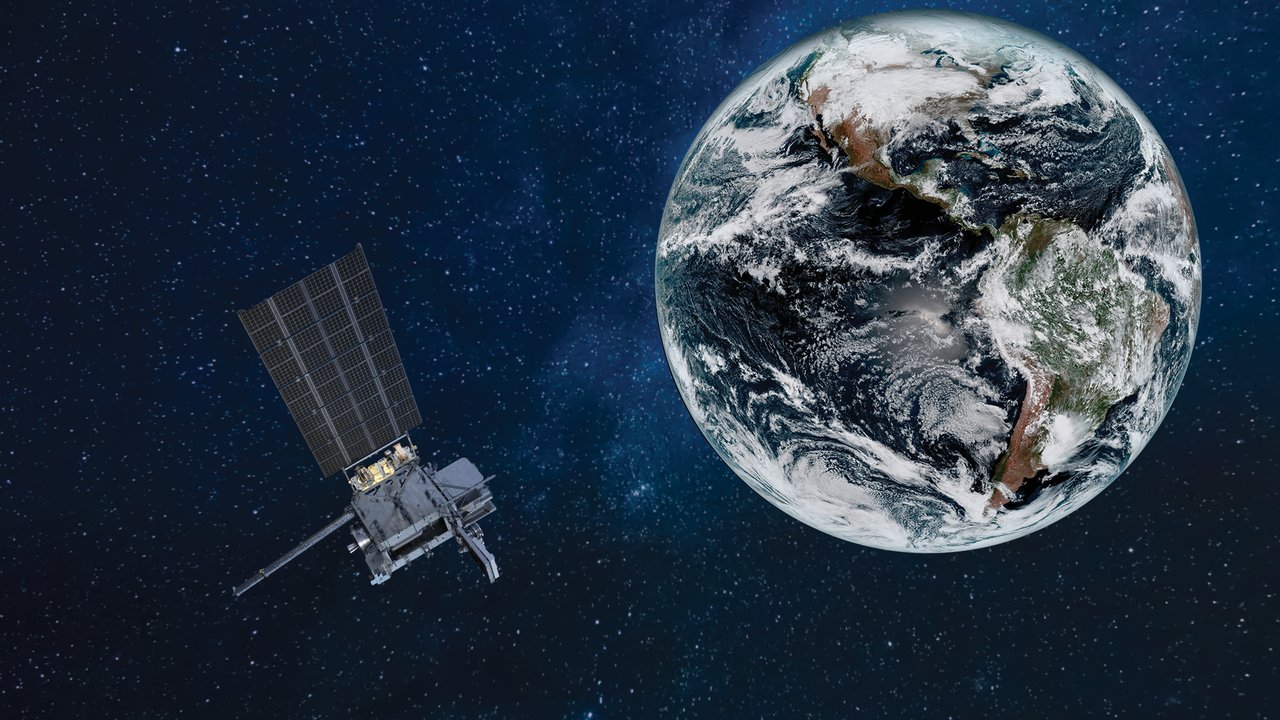
Amazon is building moving base stations in space. Formerly called Project Kuiper, the low Earth orbit network has been renamed Amazon Leo and continues deploying satellites to bring broadband beyond the reach of terrestrial networks.
Amazon wants to deliver not only packages but also internet access to remote regions. Amazon Leo, formerly Project Kuiper, plans 3,236 satellites in low Earth orbit around 600 km up. The new name was formally introduced in November 2025.
What is it?
Amazon began the project around 2019 and received FCC deployment approval in 2020. In October 2023, KuiperSat-1 and KuiperSat-2 launched to test technologies including video communication and laser links. These prototypes demonstrated the system before mass deployment. The first 27 operational satellites launched in April 2025.
What is it used for?
Like Starlink, it aims to provide broadband to households, businesses, and governments. A flat-panel antenna on a roof or outside a window communicates with satellites moving across the sky.
Does rain interrupt the connection? Heavy rain can weaken high-frequency signals, an effect called rain fade. Antenna design, signal adjustments, and gateway placement reduce the impact, but satellite networks are not immune to weather.
How do so many satellites reach orbit?
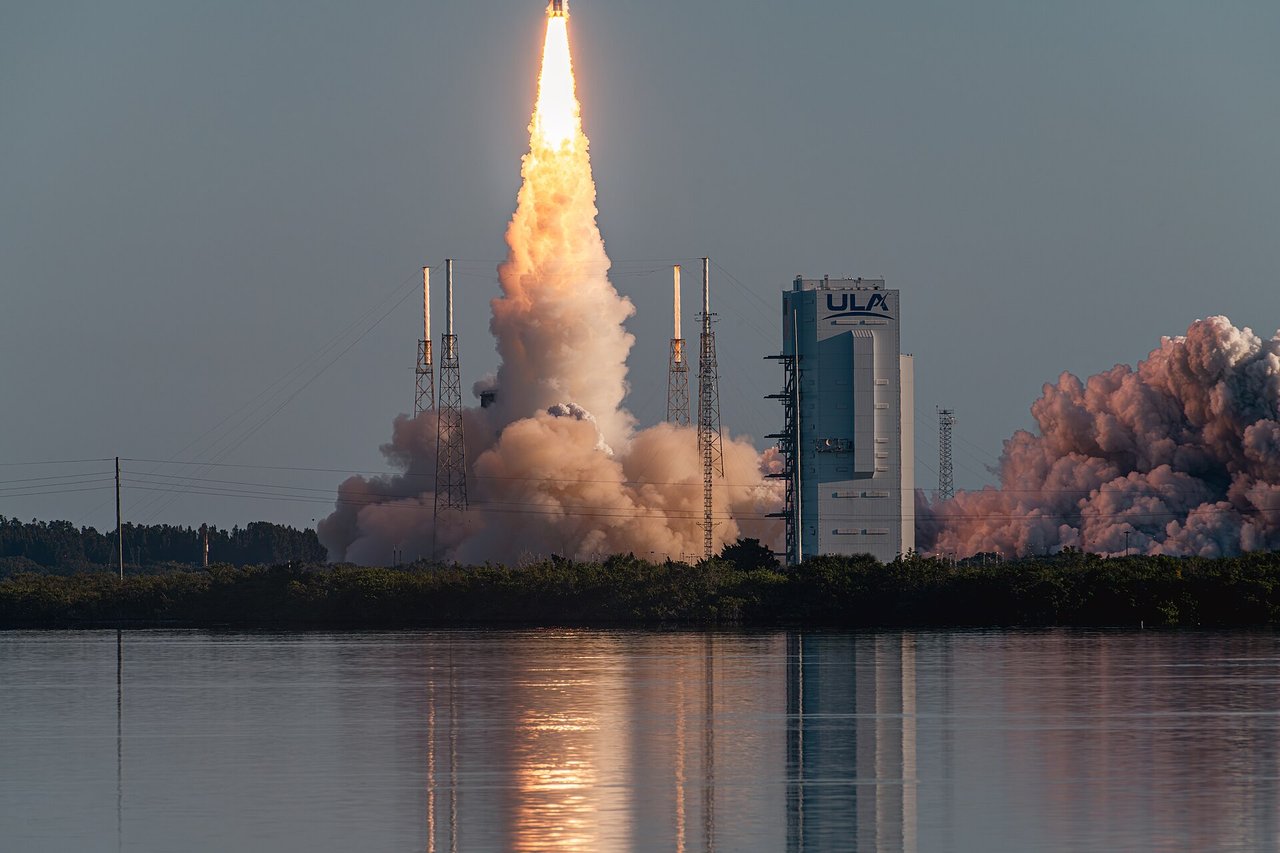
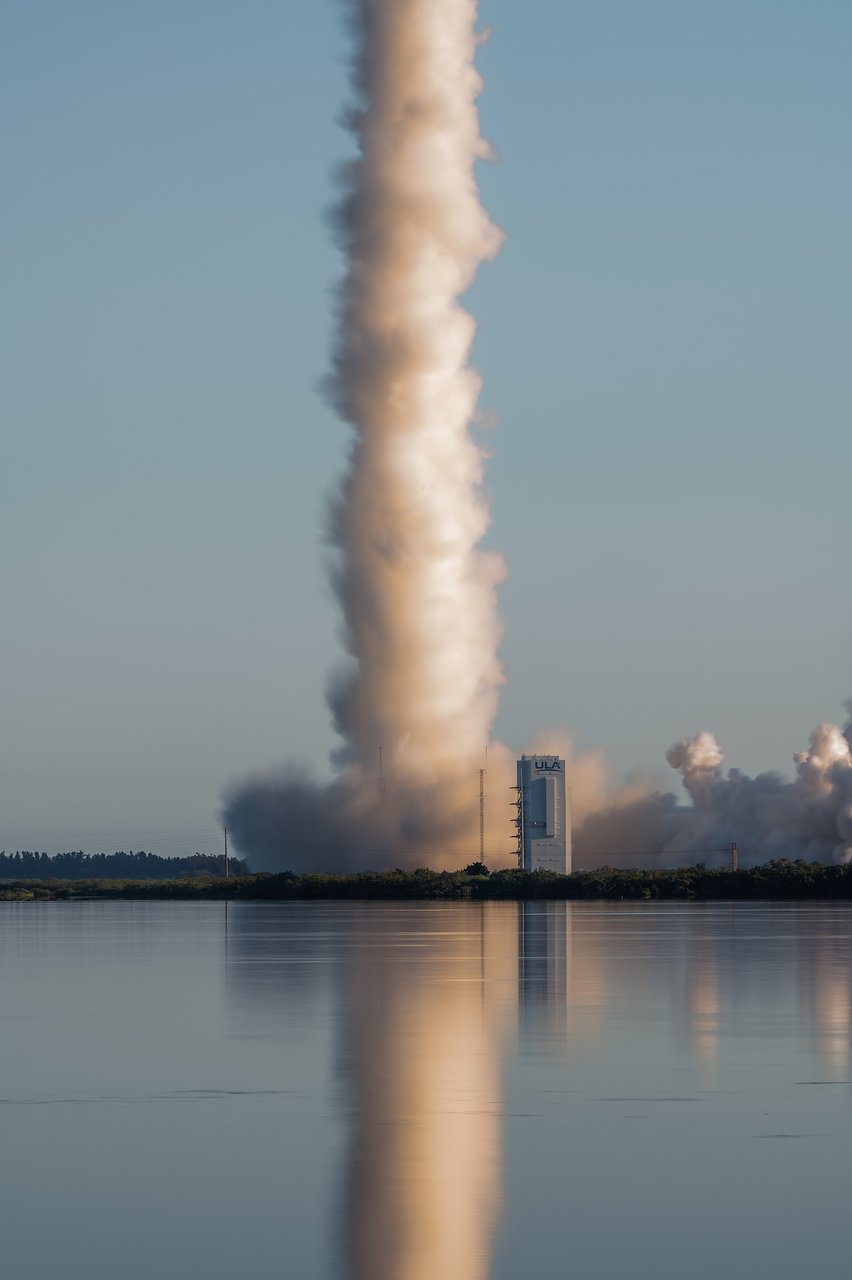
Building thousands of satellites is only part of the challenge; they must also launch on time. Amazon purchased launches from ULA, Arianespace, Blue Origin, and others to avoid depending on a single rocket.
Did you know?
Kuiper was named after astronomer Gerard Kuiper, also the namesake of the Kuiper Belt. These satellites do not travel there: they work close to Earth. The name connects the distant solar system with the network overhead.