Qianfan constellation (G60)
A Chinese low Earth orbit internet megaconstellation operated by Shanghai Spacesail. Its first operational batch launched in August 2024. Plans call for over 15,000 satellites providing global broadband.
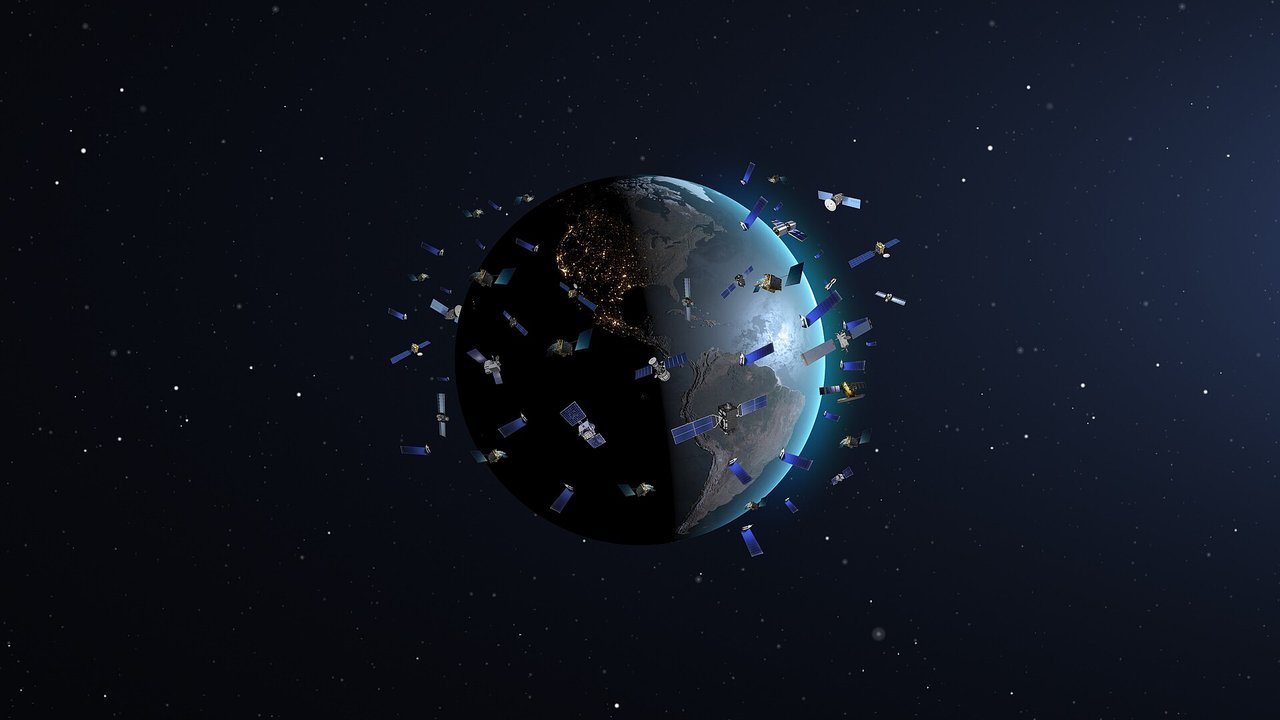
Qianfan means “a thousand sails,” but these sails are satellites. Also called the G60 constellation, it is built and operated under Shanghai Spacesail Technologies to deliver broadband through a large low Earth orbit network.
What is it?
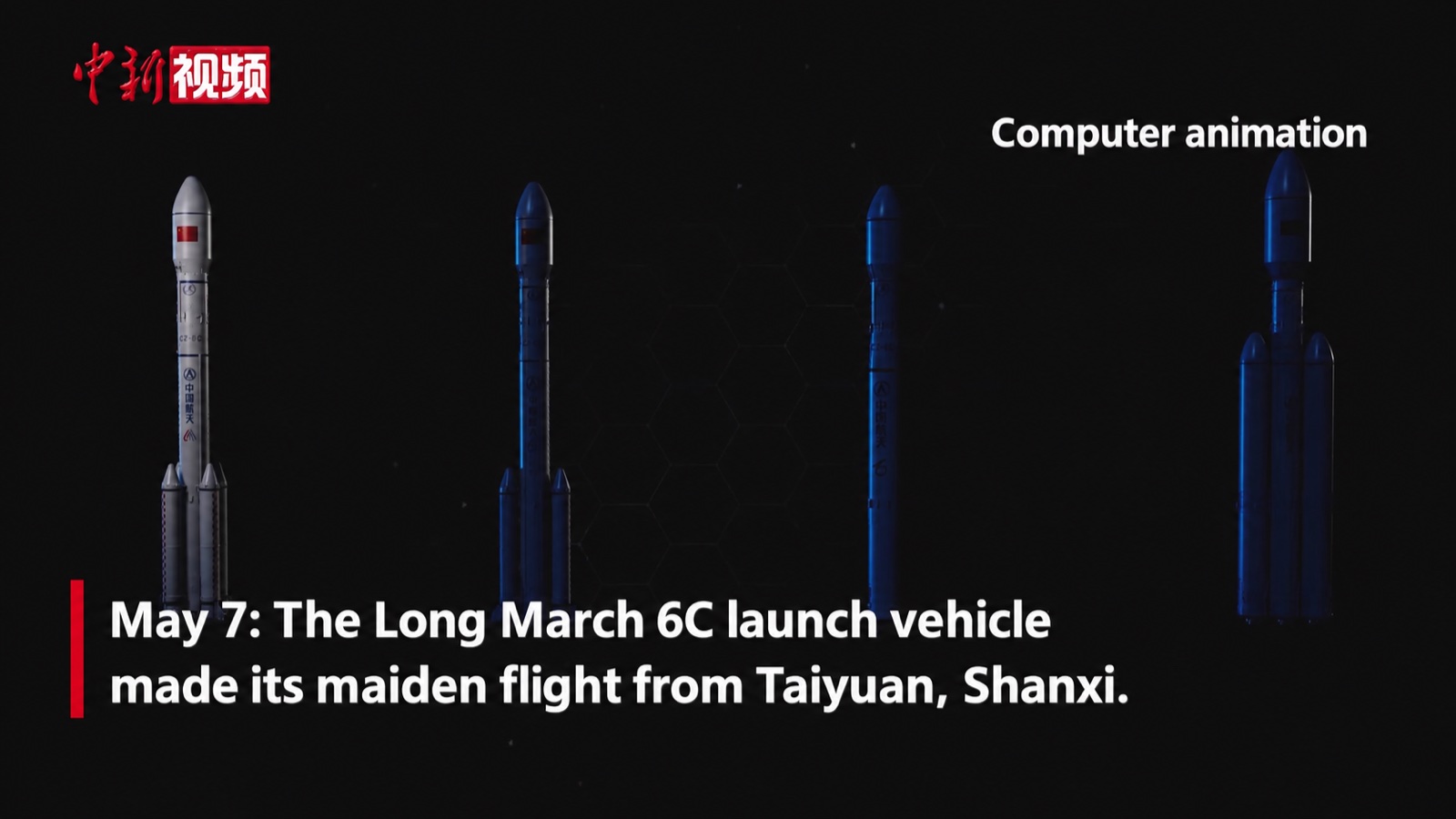
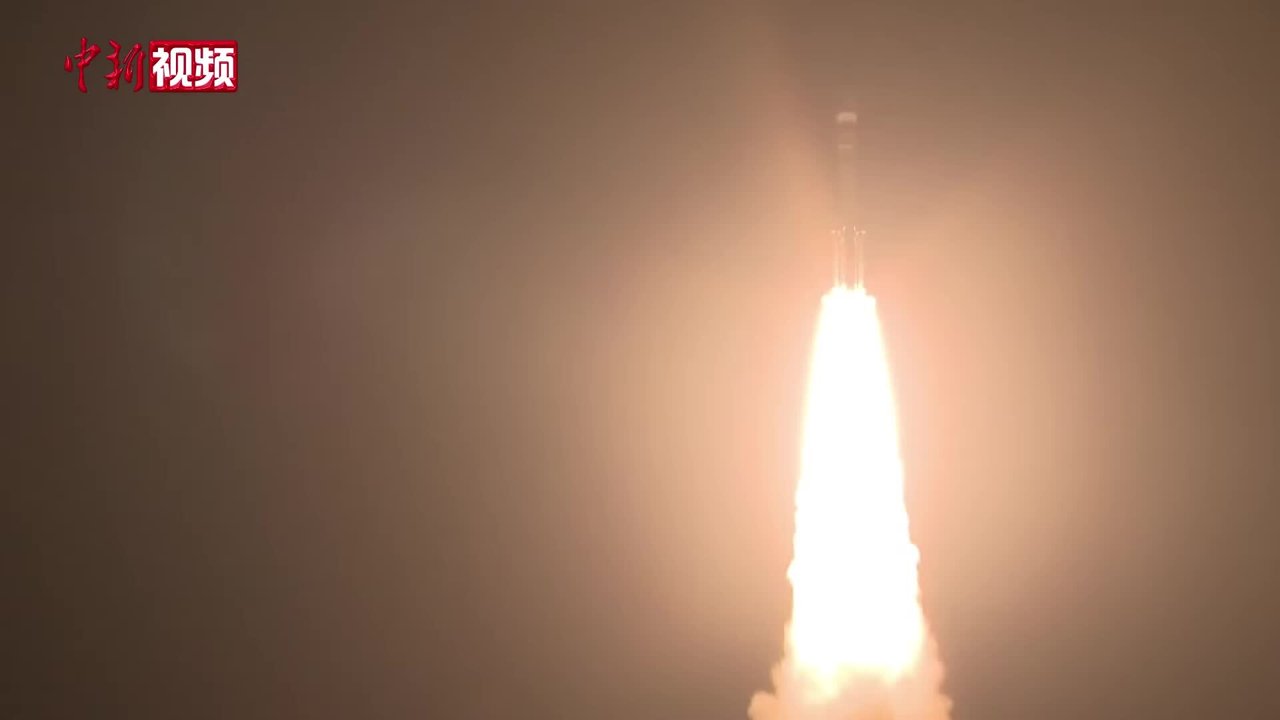
Qianfan is among China’s first commercial low-orbit megaconstellations to enter operational deployment. On August 6, 2024, a Long March 6A launched its first batch from Taiyuan: 18 satellites on one rocket, reaching roughly 800 km altitude.
What is it used for?
Fiber networks are like roads that are difficult to build across oceans, deserts, and plateaus. Satellites extend connectivity from above.
The constellation is planned in stages: 648 satellites for regional coverage, 1,296 for global coverage, and eventually more than 15,000. These are construction targets, not the number already in orbit.
Did you know?
How do 18 satellites fit in one rocket? Qianfan uses stackable flat-panel designs that pack tightly inside the fairing and separate individually in orbit. They resemble a stack of space pizzas, but each layer is an independent spacecraft.
The name evokes many sails setting out together, weaving a communications network around Earth.