Science satellites
What would we see if we moved telescopes and laboratories above the atmosphere? Science satellites study parts of the universe hidden from the ground and perform experiments difficult to conduct on Earth.
What would the universe look like above the atmosphere? Science satellites carry telescopes, particle detectors, and experiments into space to study cosmic origins, matter, and fundamental physics.
Why put telescopes in space?
Earth’s atmosphere protects life but behaves like moving glass in front of astronomers: turbulence distorts starlight, while clouds and water vapor obscure it. It also absorbs much of the ultraviolet, X-ray, and gamma-ray radiation.
That protects us but prevents direct ground observations in those bands. Sending instruments above it opens a different window onto the universe.
Hubble and high-energy observatories
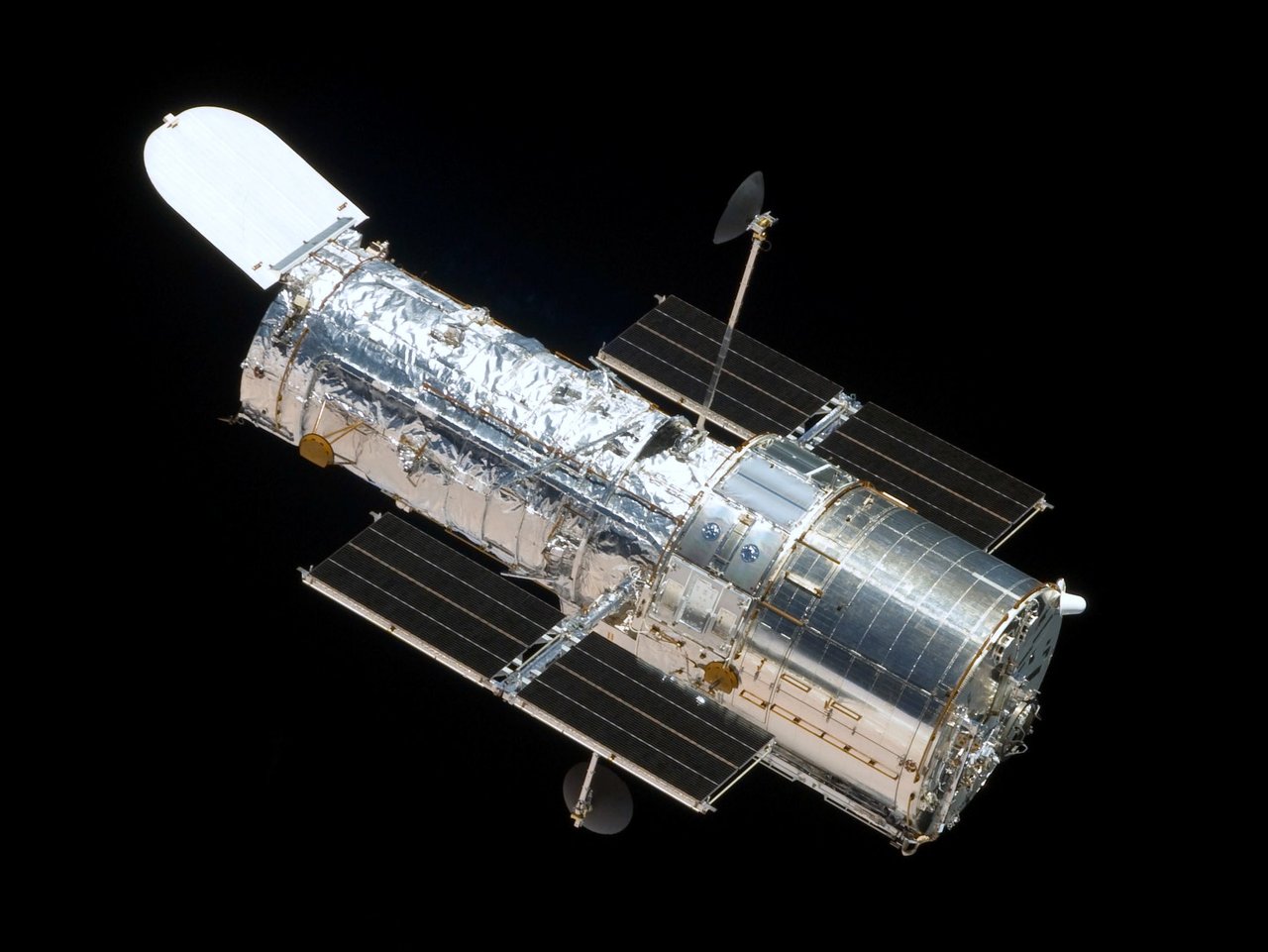
Hubble launched in April 1990 with a 2.4 m primary mirror. Observations of distant galaxies and supernovae helped narrow the universe’s age to about 13.8 billion years and supplied important evidence for accelerated expansion.
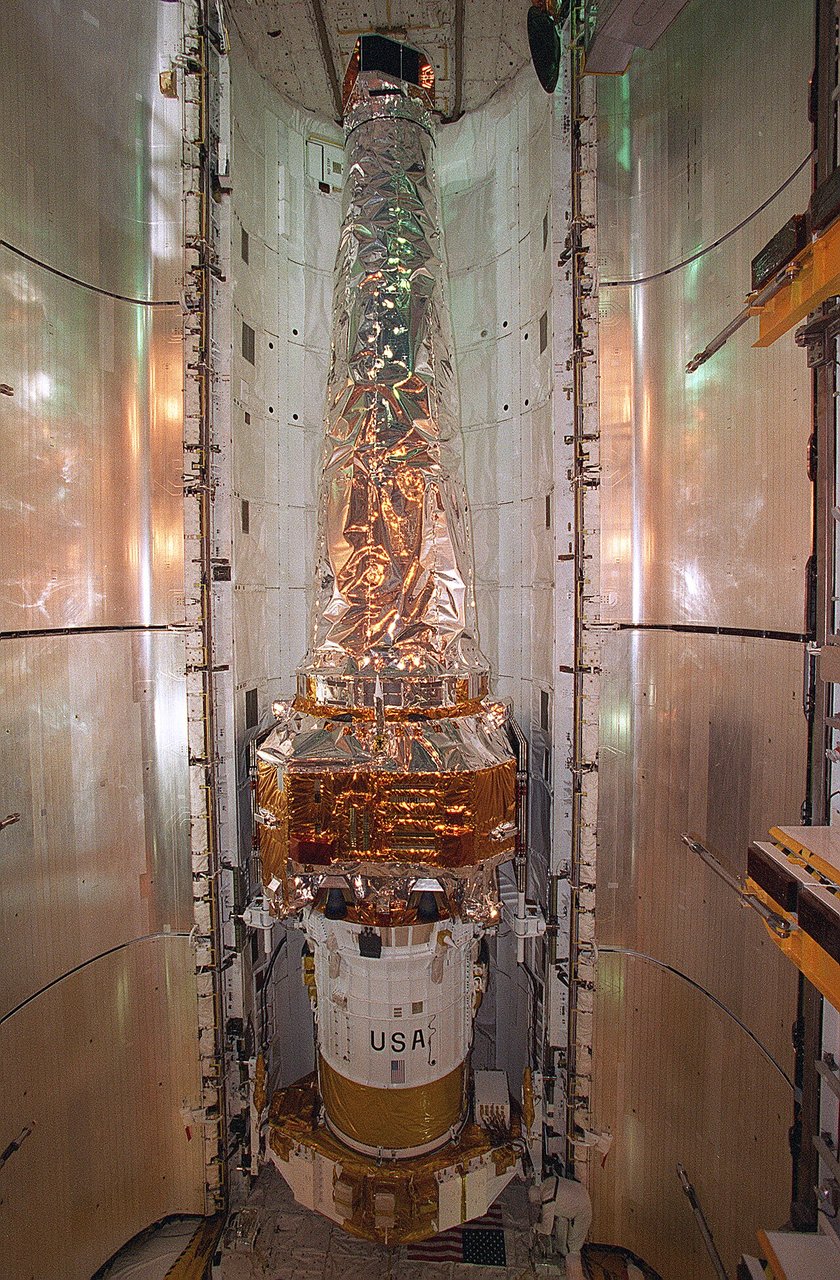
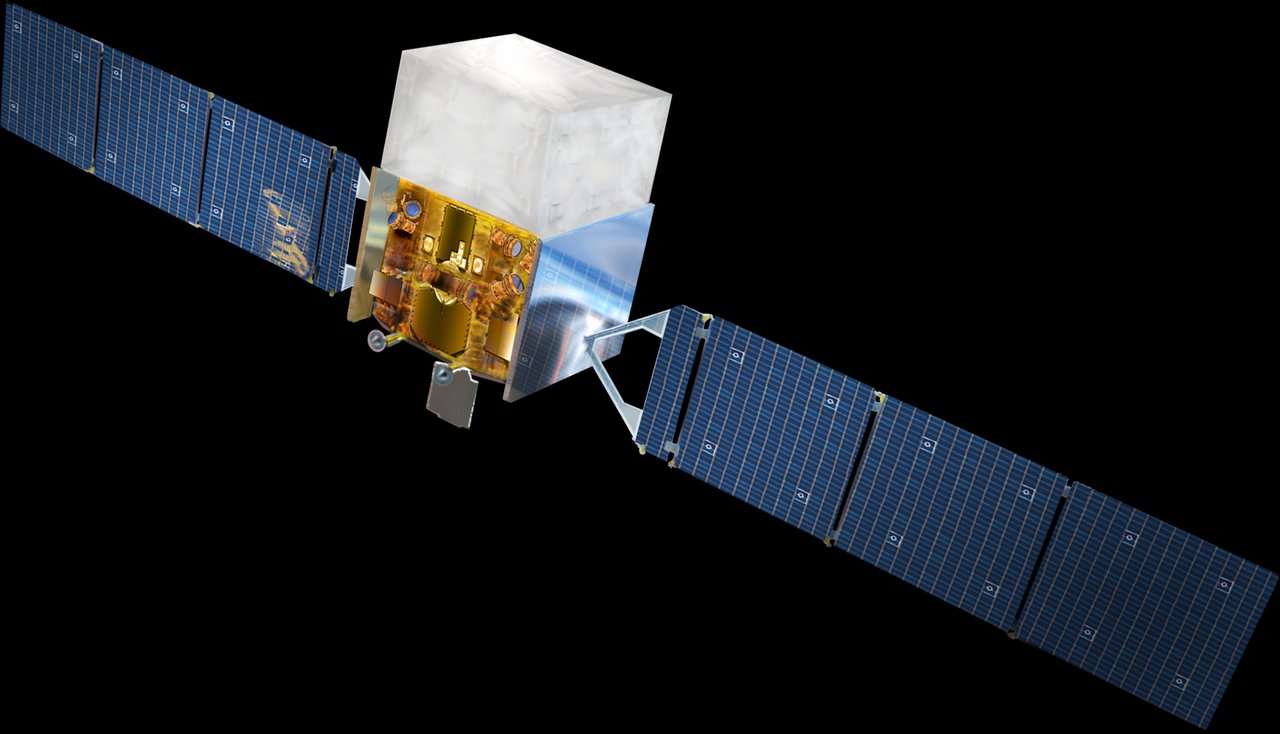
The universe emits more than visible light. Chandra studies hot environments around black holes and neutron stars in X-rays; Fermi tracks gamma-ray bursts and other energetic events. Different observatories build a more complete picture together.
China’s Wukong and Micius
Wukong, the Dark Matter Particle Explorer, launched in December 2015. It measures high-energy cosmic rays to search for clues to dark matter, looking for unusual patterns in particle energies.
Micius, launched in August 2016, was the first quantum-science experiment satellite. It demonstrated satellite-to-ground quantum key distribution and long-distance distribution of quantum entanglement.
Are the colors in space images real?
Some approximate visible colors; others map invisible infrared or X-ray signals into colors. This makes temperature, elemental composition, or energy distributions understandable rather than inventing data.
- Hubble needed corrective optics: a small error in its primary mirror was discovered after launch. Astronauts installed corrective equipment in 1993.
- The names have meaning: Wukong recalls the sharp-eyed hero of Journey to the West; Micius honors the ancient Chinese philosopher who studied optics over two thousand years ago.