Starlink
A moving string of bright points in the night sky may be newly launched Starlink satellites. They relay signals in low Earth orbit, bringing internet access to oceans, mountains, and places without mobile towers.

Can you get online in remote mountains or aboard an ocean-going ship without fiber or mobile towers? Starlink offers one answer: large numbers of low-orbit satellites relaying signals.
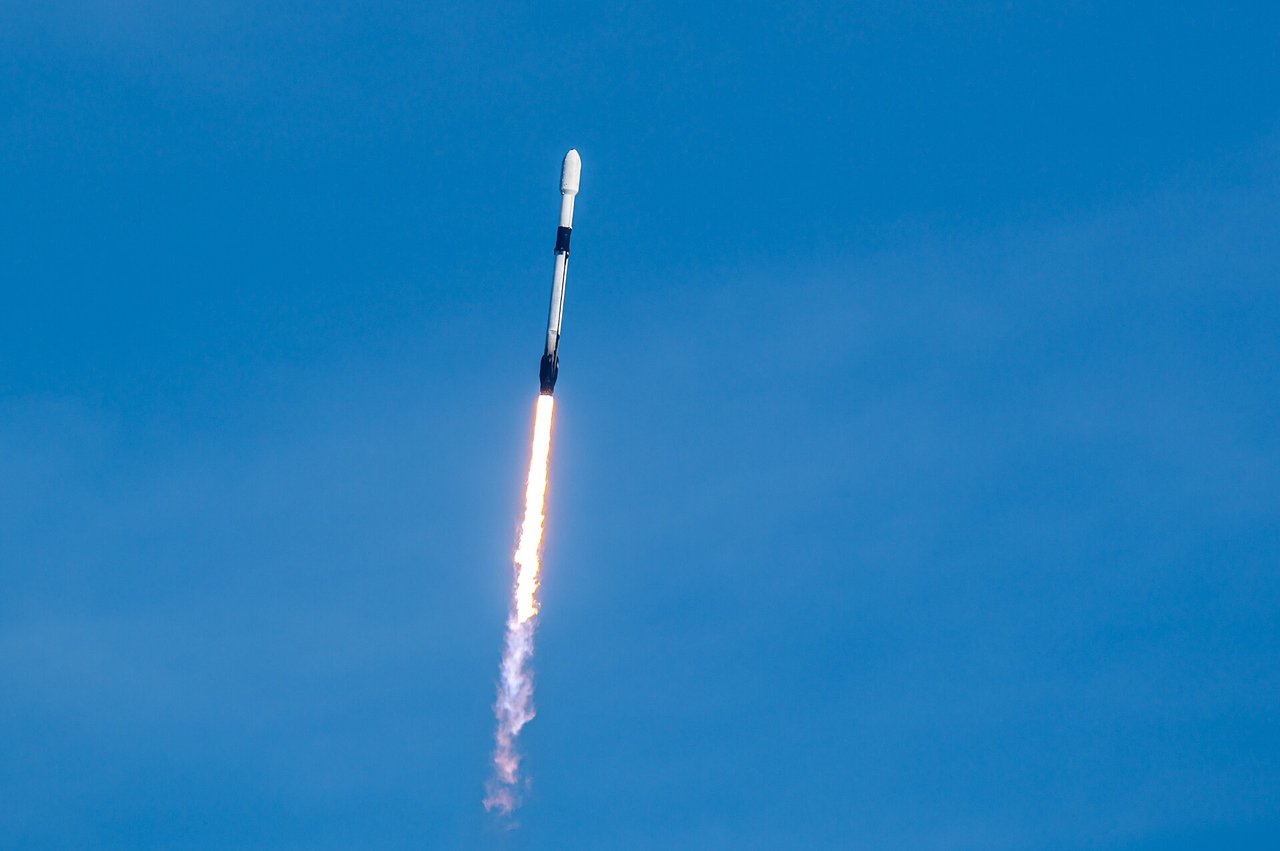
SpaceX’s internet constellation is the largest deployed satellite system. In May 2019, a Falcon 9 launched the first 60 satellites. Thousands now operate in orbit, with the total changing as satellites launch and retire.
What is it?
Starlink satellites mainly orbit around 550 km above Earth, much closer than traditional geostationary satellites. Shorter signal journeys reduce the time data takes to travel back and forth.
Satellites communicate with ground antennas and use inter-satellite laser links to exchange data directly in space. Retired satellites lower their orbits and eventually reenter the atmosphere.
What is it used for?
Starlink delivers broadband to remote villages, ships, aircraft, and disaster zones where terrestrial communications have failed. Users generally install a flat antenna that automatically tracks passing satellites.
Can phones connect directly? Ordinary satellite broadband still needs a dedicated antenna, but Starlink is developing Direct to Cell with some mobile operators. It focuses on basic communications outside terrestrial coverage; capabilities and availability depend on the local operator.

Concerns and responses
Large constellations complicate astronomy: reflected sunlight leaves streaks in long-exposure telescope images. SpaceX has experimented with dark coatings on DarkSat, sunshades on VisorSat, and attitude adjustments to reduce reflections. It also shares orbital data with astronomers to help limit disruption.
Did you know?
Why do Starlink trains appear? Newly released satellites initially occupy nearby orbits. Shortly after sunset, their reflected light can resemble a string of pearls. As they spread out and climb to operational orbits, the train gradually disperses.