Pluto: no longer a planet, but full of surprises
Once the ninth planet, Pluto was reclassified as a dwarf planet in 2006. New Horizons revealed active geology in 2015: heart-shaped nitrogen-ice plains, water-ice mountains, and a possible ocean beneath its icy crust.
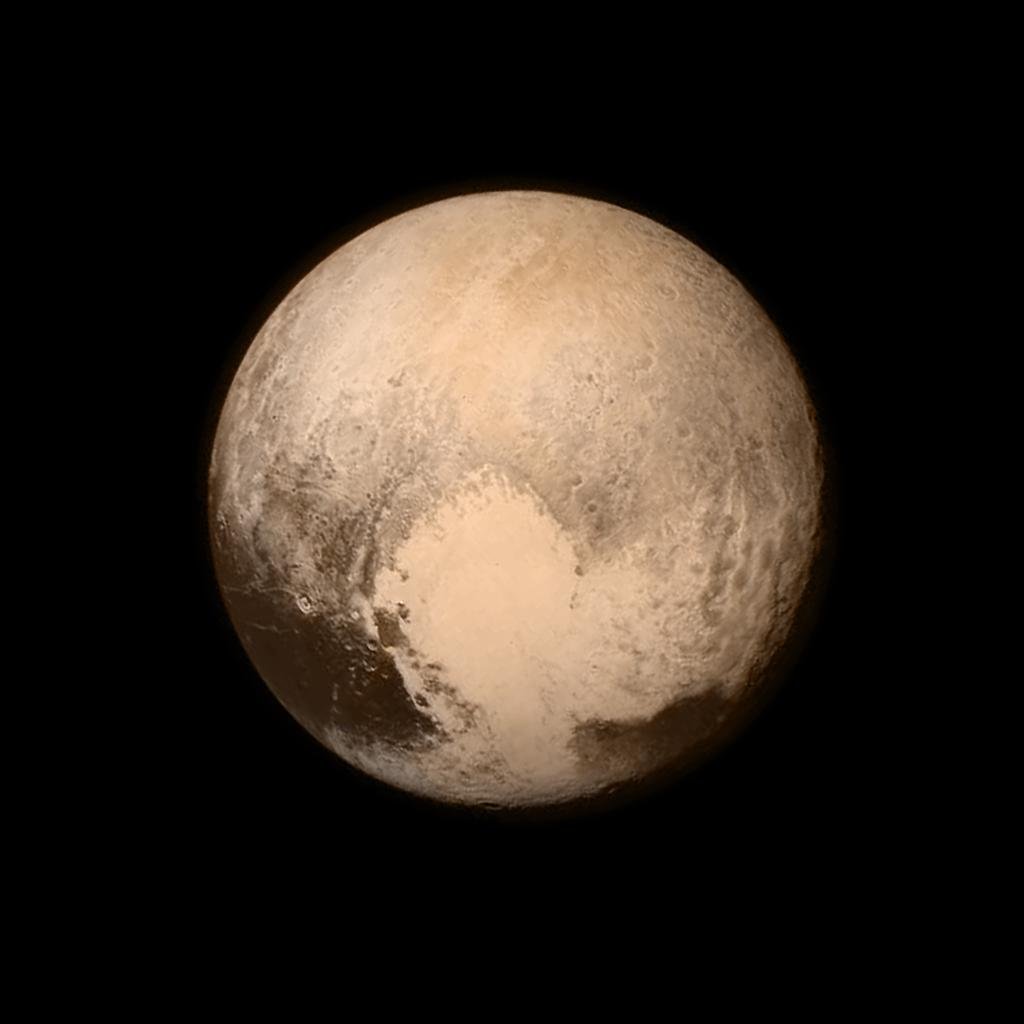
On Pluto, midday sunlight is dim, yet nitrogen ice can slowly flow beneath your feet. About 2,377 km across and averaging roughly 5.9 billion km from the Sun, it has surface temperatures around −229°C. The former ninth planet is now the best-known dwarf planet.
From planet to dwarf planet
Clyde Tombaugh discovered Pluto in 1930 by comparing photographs at Lowell Observatory. Its small mass and tilted, eccentric orbit made it unusual. The discovery of more massive Eris intensified the definition debate. In August 2006, the IAU required planets to orbit the Sun, be near-round, and clear their orbital neighborhoods. Pluto shares its region with Kuiper Belt bodies and became a dwarf planet.
New Horizons’ long journey
On July 14, 2015, New Horizons passed about 12,500 km above Pluto at roughly 14 km/s. Launched in January 2006, it traveled nine and a half years and nearly five billion kilometers for a few hours of close observation.
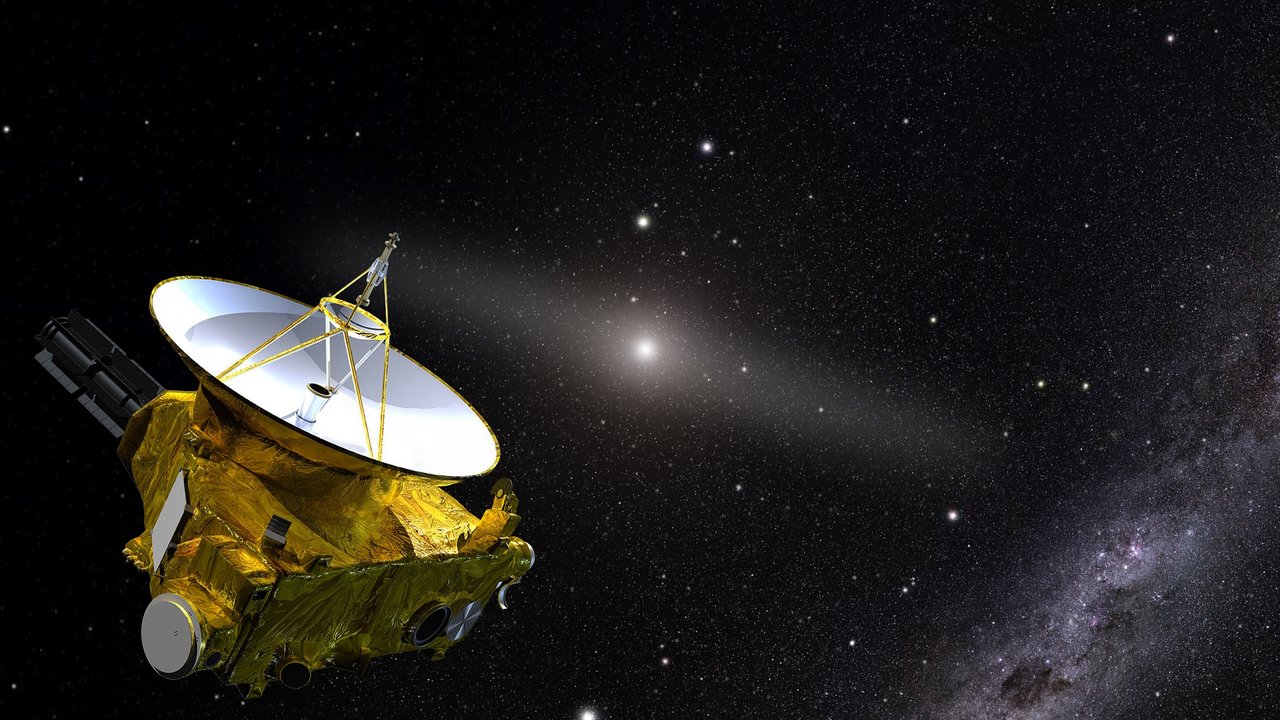
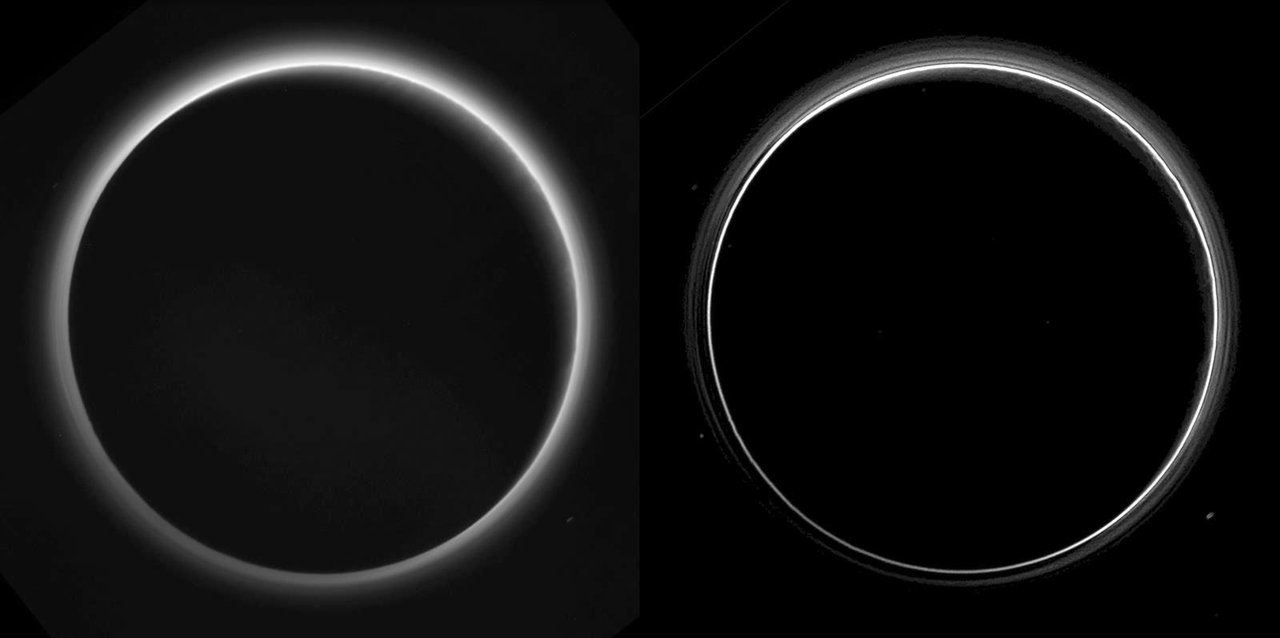
A blurred telescope spot became a world of water-ice mountains, young plains, and layered blue haze. Transmitting all the data took over a year.
Sputnik Planitia: Pluto’s heart
The western part of heart-shaped Tombaugh Regio is Sputnik Planitia, a nitrogen-ice plain about 1,000 km wide.
Its lack of craters indicates a young surface. Polygonal cells tens of kilometers across reveal slow convection in solid nitrogen ice: warmer ice rises and cooler material sinks, maintaining activity in extreme cold.
A rocky center and icy shell
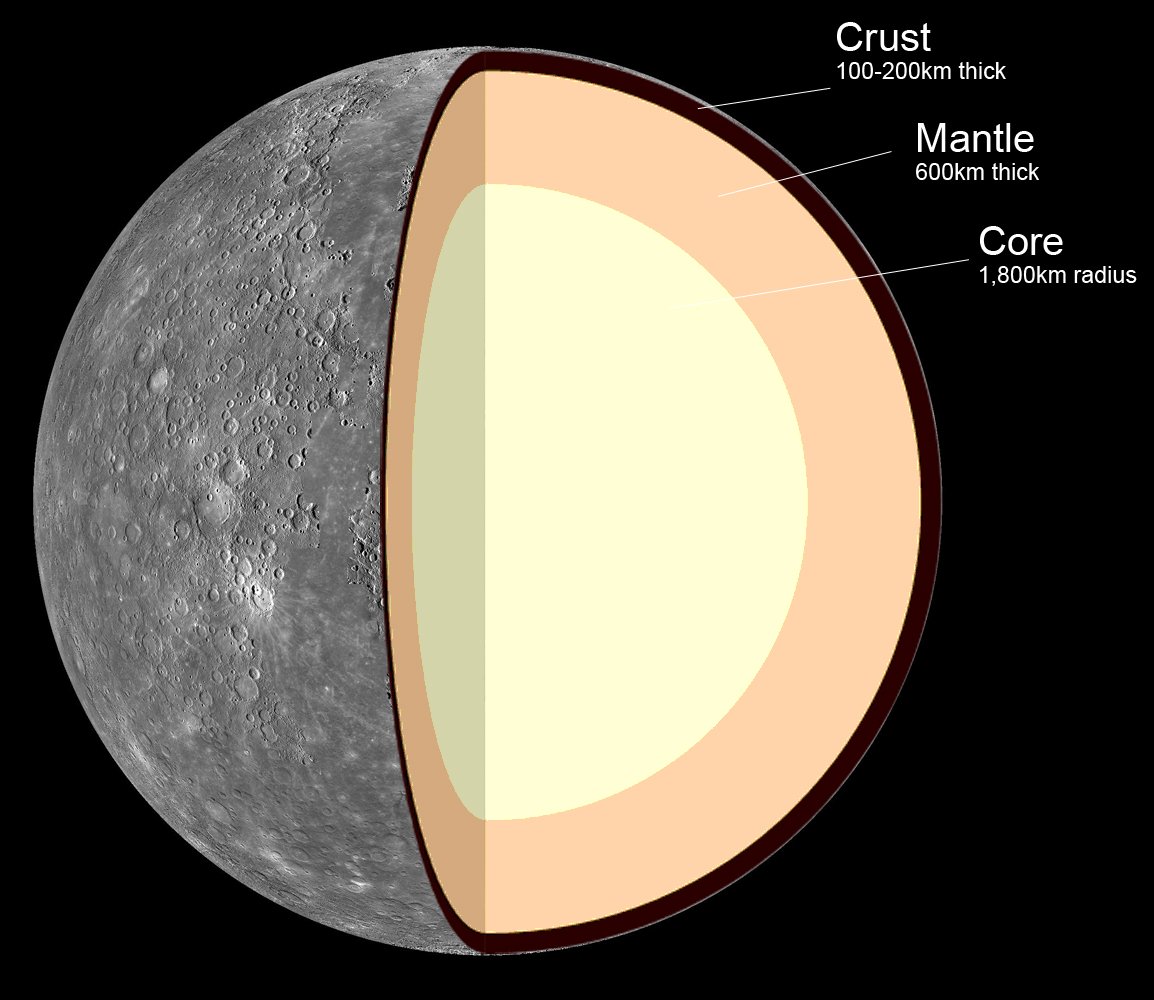
A density around 1.86 g/cm³ suggests a mixed rock–ice world. Models include a silicate core roughly 1,700 km in diameter beneath thick water ice, with thin nitrogen and methane frost at the surface. Mass anomalies below Sputnik Planitia offer clues to denser material beneath the shell.
Could an ocean survive?
A liquid-water ocean could help explain Sputnik Planitia’s mass distribution and surface fractures indicating expansion rather than simple contraction. Such an ocean remains a hypothesis, but would show that liquid environments may persist at the solar system’s edge.
Charon and the smaller moons
Charon is about 1,212 km across, roughly half Pluto’s diameter. Their shared center of mass lies outside Pluto, making the pair resemble a binary system. Charon has large canyons and relatively young terrain. Nix, Hydra, Kerberos, and Styx are much smaller companions.

What are the Sun and day like?
The Sun appears as a brilliant point but still casts shadows. Pluto rotates in about 6.4 Earth days, in the opposite sense to Earth. Mutual tidal locking keeps Charon over roughly the same place in the facing sky. Thin air, frozen volatiles, and severe cold require far more than winter clothing.
An unusual orbit
Pluto averages about 39.5 AU and takes 248 years to orbit. From 1979–1999 it was closer to the Sun than Neptune. New Horizons continued to Arrokoth in 2019, the most distant close flyby of a body yet; Voyager 1 still holds the record for the farthest human-made probe.