CubeSats
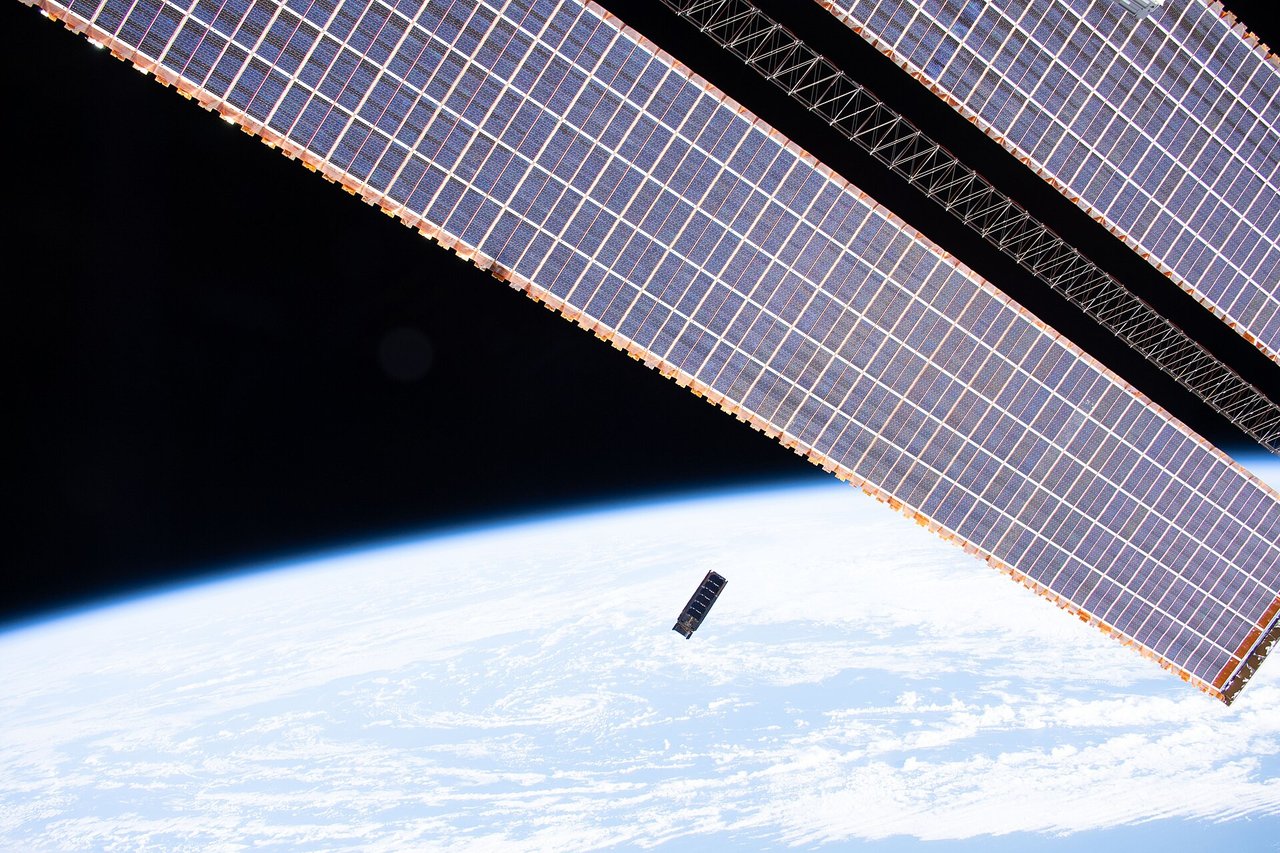
Can a satellite be as small as a tissue box? A 1U CubeSat is about 10 cm on each side. Standard parts fit together like building blocks, allowing even student teams to send experiments into space.
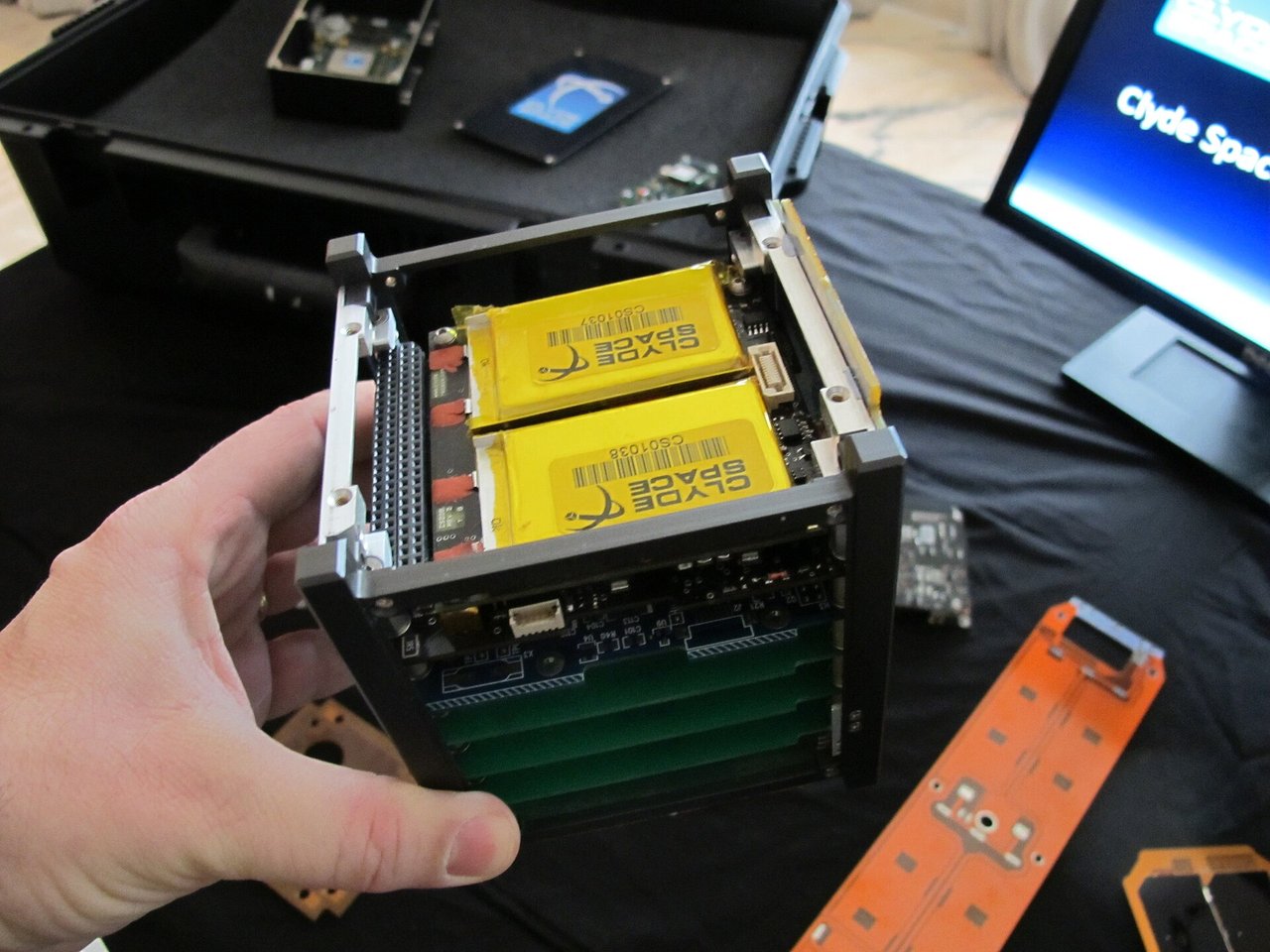
Can a cube only about ten centimeters wide be a real satellite? CubeSats prove it can.
They follow standardized dimensions and interfaces. A basic 1U unit has a cross-section about 10 cm square. Early standards specified about 1.33 kg, though later specifications have changed. Batteries, computers, radios, and small instruments fit inside to perform real missions.
A standard born in universities
In 1999, Cal Poly’s Jordi Puig-Suari and Stanford’s Bob Twiggs proposed the standard so students could complete satellite projects within limited schedules and budgets.
Standard dimensions let rocket and deployer designers know a spacecraft’s shape and mounting requirements in advance. CubeSats can share rides with larger payloads, lowering the barrier to space.
Small cubes, many uses
Beyond education, CubeSats support Earth imaging, internet-of-things communications, science, and technology demonstrations. Units combine into 2U, 3U, 6U, and larger formats.
Small does not mean simple. CubeSats must withstand vacuum, radiation, and extreme temperature changes while working within tight power and communications budgets.
Into deep space
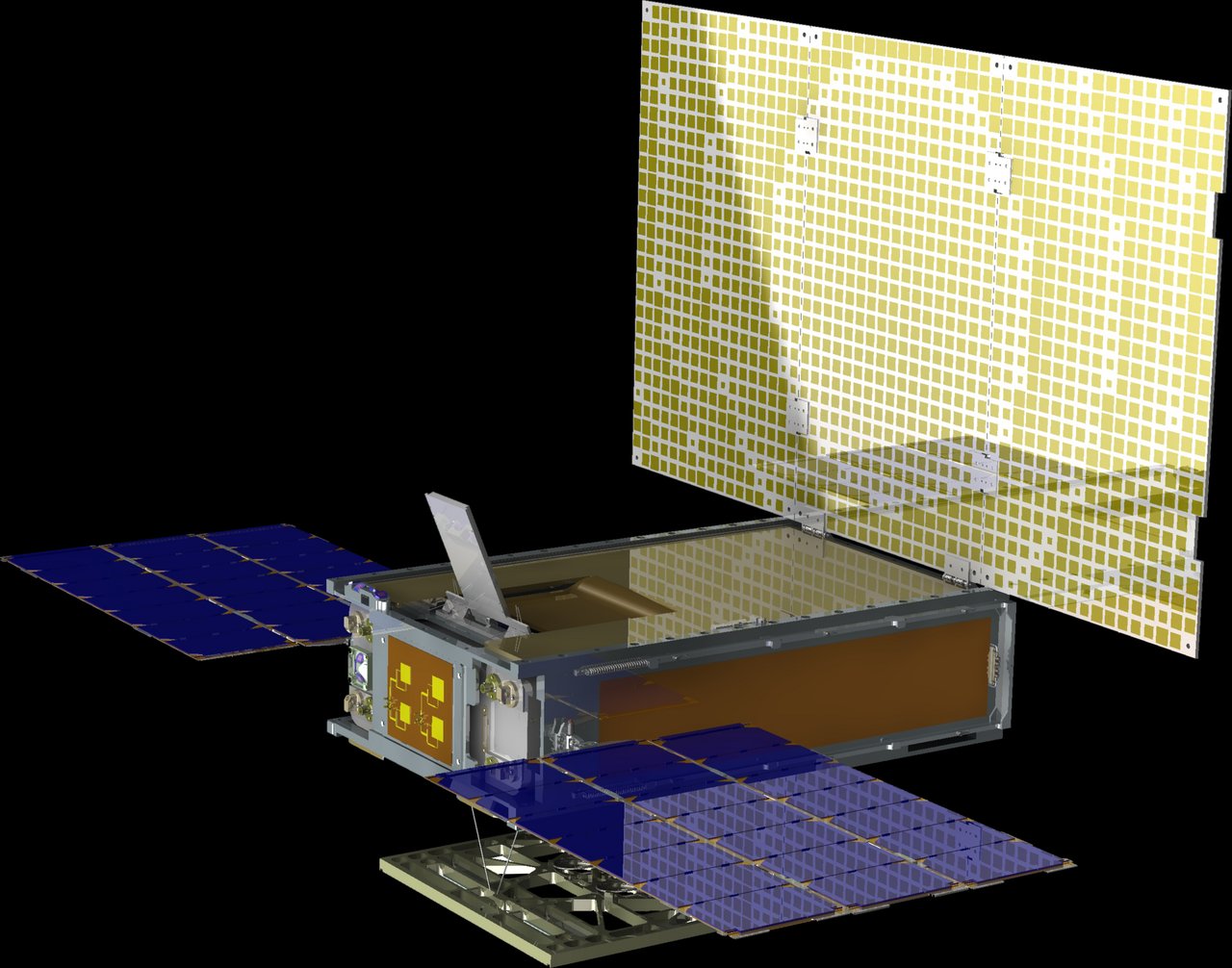
In May 2018, NASA’s two 6U CubeSats, MarCO-A and MarCO-B, accompanied InSight toward Mars. They relayed signals during its landing, becoming the first CubeSats to travel into deep space.
They were not essential to InSight’s safe landing but demonstrated what small spacecraft could contribute far beyond Earth orbit.
Do CubeSats fall back to Earth?
Yes. Many fly in low Earth orbit, where thin air gradually lowers their altitude until they reenter and mostly burn up. Their lifetimes depend on initial altitude, shape, and solar activity.
“U” means unit. The first CubeSats launched in 2003. One of their greatest contributions is enabling universities to build satellites and teach engineering through real missions.