Cygnus cargo spacecraft
Northrop Grumman’s expendable uncrewed cargo craft first flew in 2013. It brings supplies to the ISS and disposes of waste by burning up during reentry.
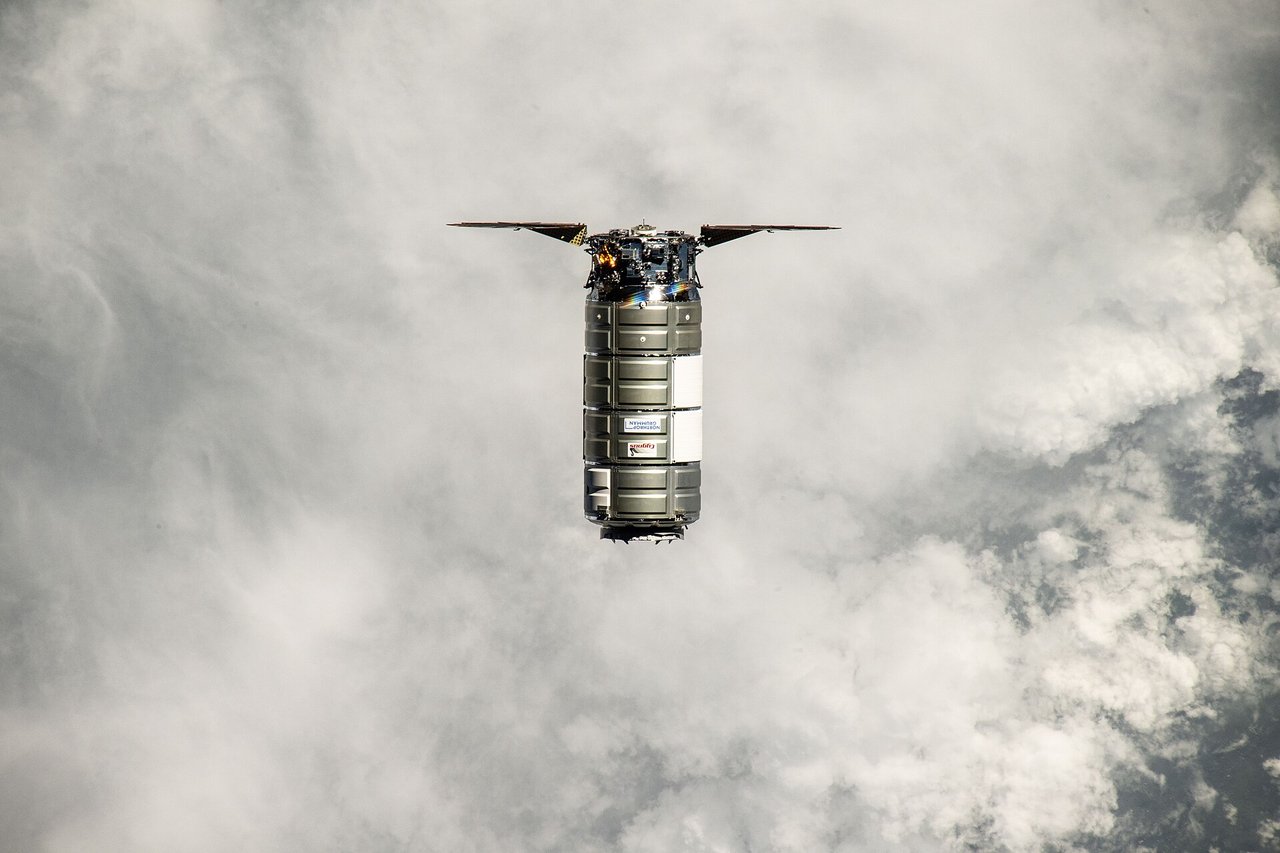
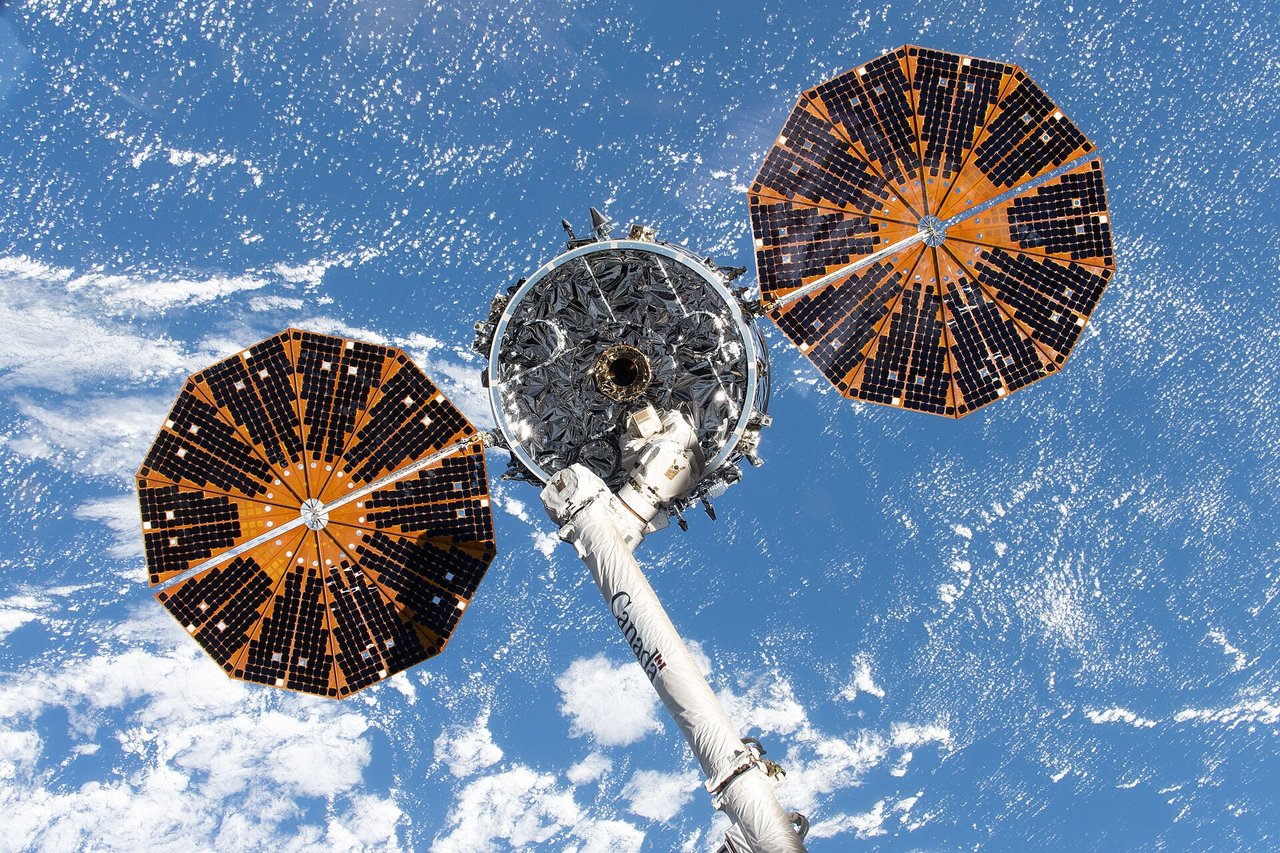
A spacecraft reaches the ISS but waits for a robotic arm instead of docking itself. That is the familiar arrival procedure for Cygnus.
Operated by Northrop Grumman in NASA’s commercial resupply system, this uncrewed craft first flew in September 2013, delivering experiments, food, clothes, and equipment.
What is it?
Originally developed by Orbital Sciences under NASA’s Commercial Orbital Transportation Services program, Cygnus passed to Northrop Grumman through corporate mergers. Its name means swan and also names the constellation.
An Italian-built pressurized cargo module provides an accessible storeroom; the service module supplies propulsion, attitude control, communications, and power. Its circular folding solar arrays are distinctive.
Why catch it with an arm?
Near the station, Cygnus holds position while astronauts operate Canadarm2 to capture it and attach it to a berthing port, like pulling a delivery vehicle to a loading dock.
It cannot return intact cargo to Earth. Astronauts load waste before it departs for destructive reentry. Some missions also conduct experiments after departure, such as studies of combustion before reentry.
Do astronauts unpack the deliveries?
Yes, carefully: items must remain restrained so they do not float away. Food, samples, computers, and spare parts have different packaging requirements. After unloading, Cygnus can serve as temporary storage.
From standard to XL
Early versions carried around two metric tons; enhanced versions exceeded three, while XL offers still more volume and capacity. Cygnus has launched on Antares, Atlas V, and Falcon 9, showing that one spacecraft can use several launch vehicles.
Did you know?
Individual Cygnus spacecraft are usually named for people who contributed to human spaceflight, making each supply mission a flying tribute.