Geostationary satellites
Why does a satellite stay in the same direction in the sky? At about 35,786 km above the equator, its orbit takes one sidereal day, making it appear stationary from the ground.
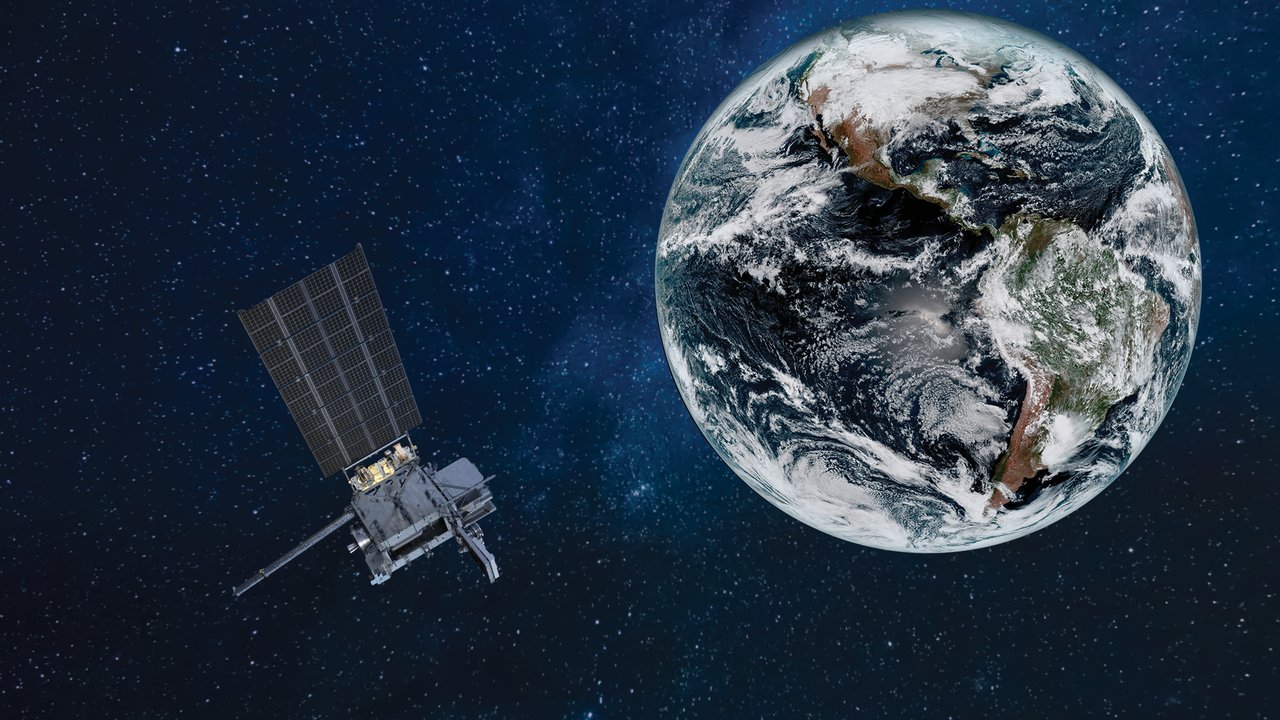
Why does a rooftop satellite dish usually stay pointed in one direction? It often communicates with a geostationary satellite.
These satellites orbit 35,786 km above the equator, matching Earth’s rotation in direction and period. They remain in the same direction in the ground observer’s sky, occupying a limited belt of orbital positions.
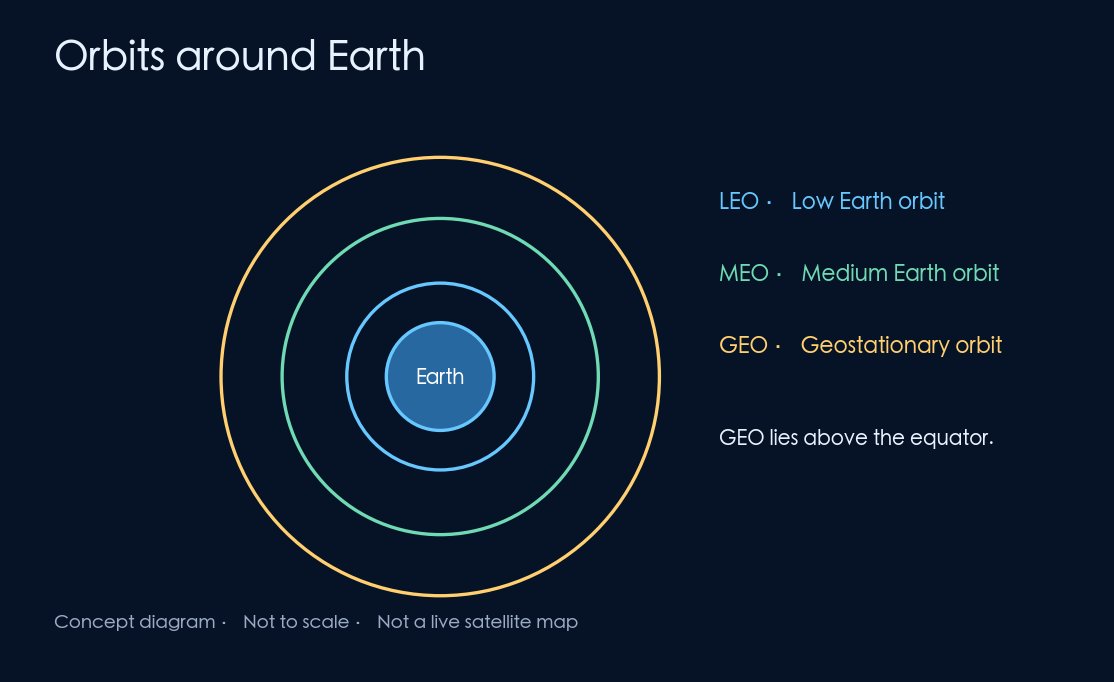
What is geostationary orbit?
In 1945, Arthur C. Clarke proposed synchronous-orbit relay stations for global communications in Wireless World. Geostationary orbit is therefore also called the Clarke orbit.
Its period is 23 hours, 56 minutes, 4 seconds—one sidereal day. In 1964, Syncom 3 became the first truly geostationary satellite and helped broadcast the Tokyo Olympics.
What is it used for?
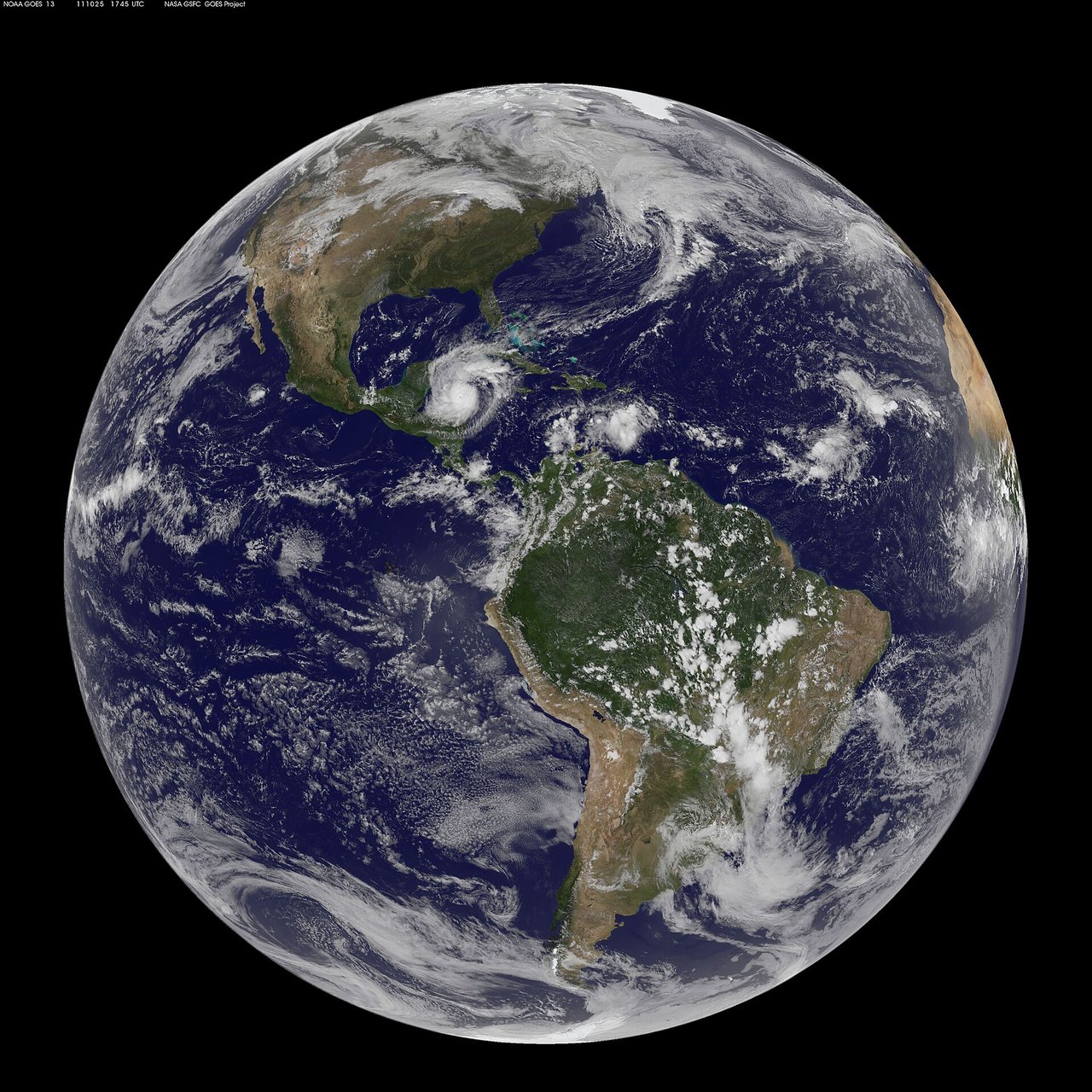
Major uses are television broadcasting, fixed communications, and weather observations. A satellite sees a huge region; three suitably spaced around the equator can theoretically cover most of Earth except near the poles. Fengyun 4 and GOES full-disk cloud images come from this orbit.
Why can the antenna stay still?
The satellite is moving, but its angular speed matches Earth’s rotation. A ground dish therefore does not need to track it continuously.
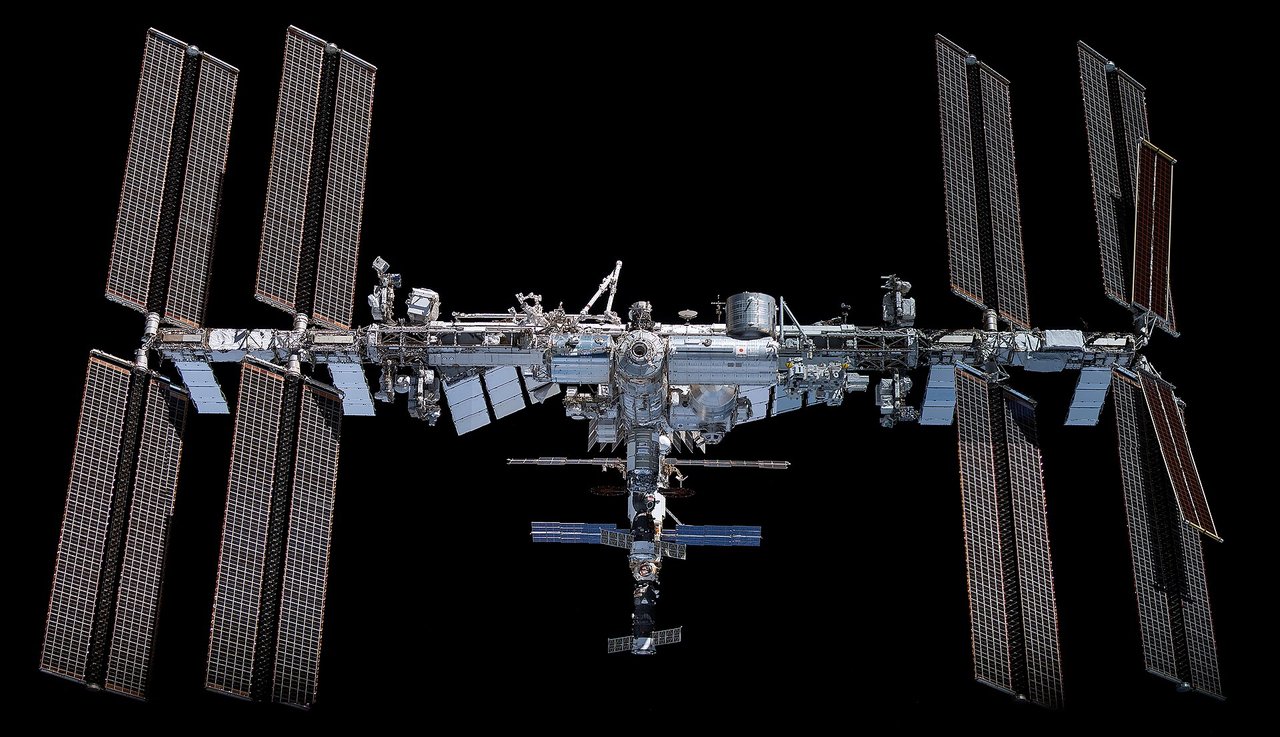
Can we see it without a telescope? Usually not: geostationary satellites are much farther away and generally too faint compared with the ISS.
Did you know?
Solar and lunar gravity disturb these satellites, so periodic station-keeping burns are necessary. At retirement, they are usually raised to a graveyard orbit instead of immediately returning to Earth, freeing operational positions.