Loft Orbital (YAM series)
This US satellite-as-a-service company provides shared platforms for customer payloads through its YAM series, including YAM-2, 3, 5, and 6. It sells services rather than satellites, with multiple payloads launched on SpaceX rideshare missions.
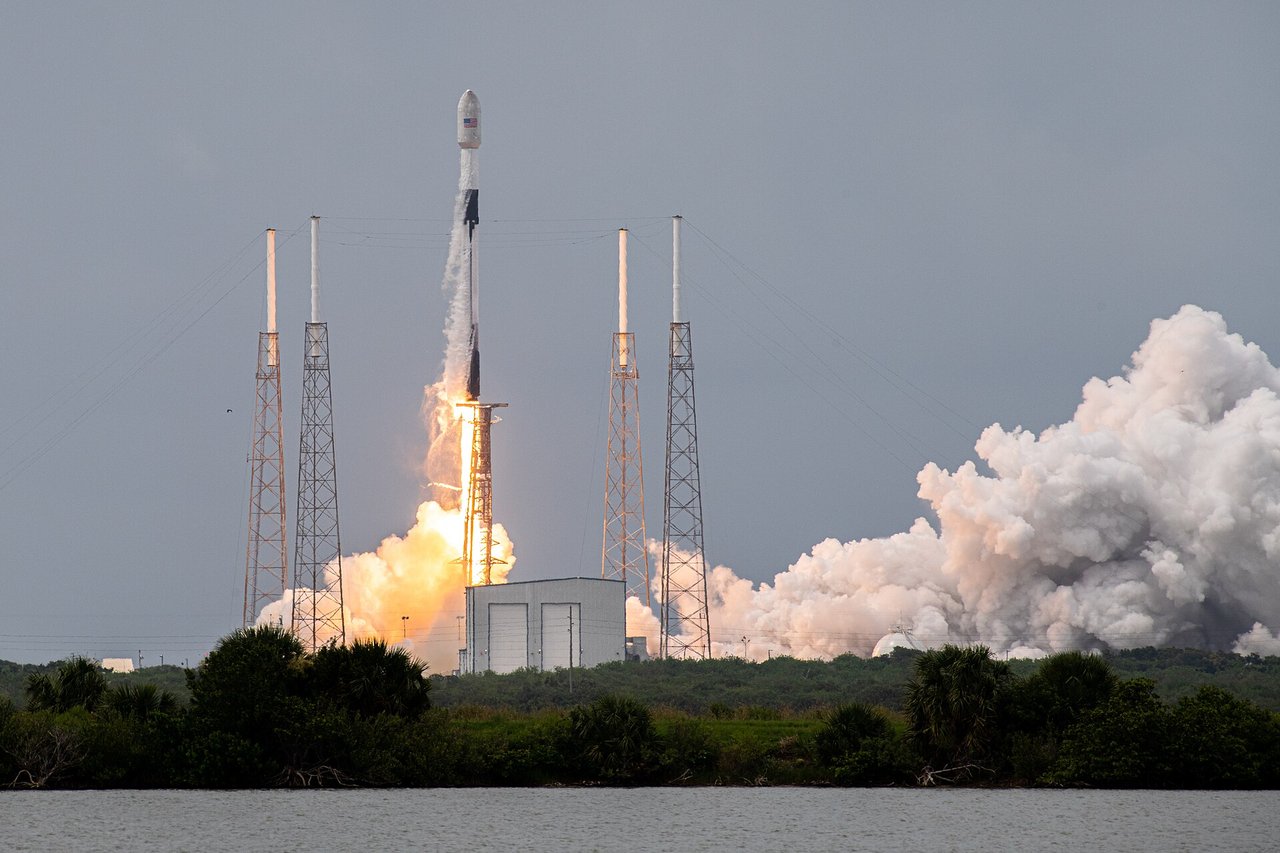
Must a school or small company build a whole satellite to put a camera in space? Loft Orbital says not necessarily: customers supply instruments or software, while Loft provides the platform, launch, and operations.
This is satellite as a service. Several spacecraft use the name YAM, meaning Yet Another Mission, including YAM-2, 3, 5, and 6.
What is it?
Founded in 2017, Loft is headquartered in San Francisco with teams including Toulouse, France. It addresses the lengthy preparation of traditional satellite projects when customers mainly want an instrument in space or a set of data.
Reconfigurable platforms resemble ready-built hotel rooms: customers install cameras, sensors, radios, or processors instead of constructing the entire building.
How does satellite as a service work?
Customers define requirements and supply payloads; Loft chooses platforms, integrates and tests equipment, arranges launch, operates the satellite, and delivers data or services. This reduces the need to learn satellite engineering from scratch, though complexity, testing, and launch opportunities still affect cost and schedule.
YAM-2 and YAM-3 launched on Transporter-2 on June 30, 2021. YAM-5 followed on Transporter-6 in 2023, carrying NASA’s Miniature Uncooled Radiometer Instrument, MURI.
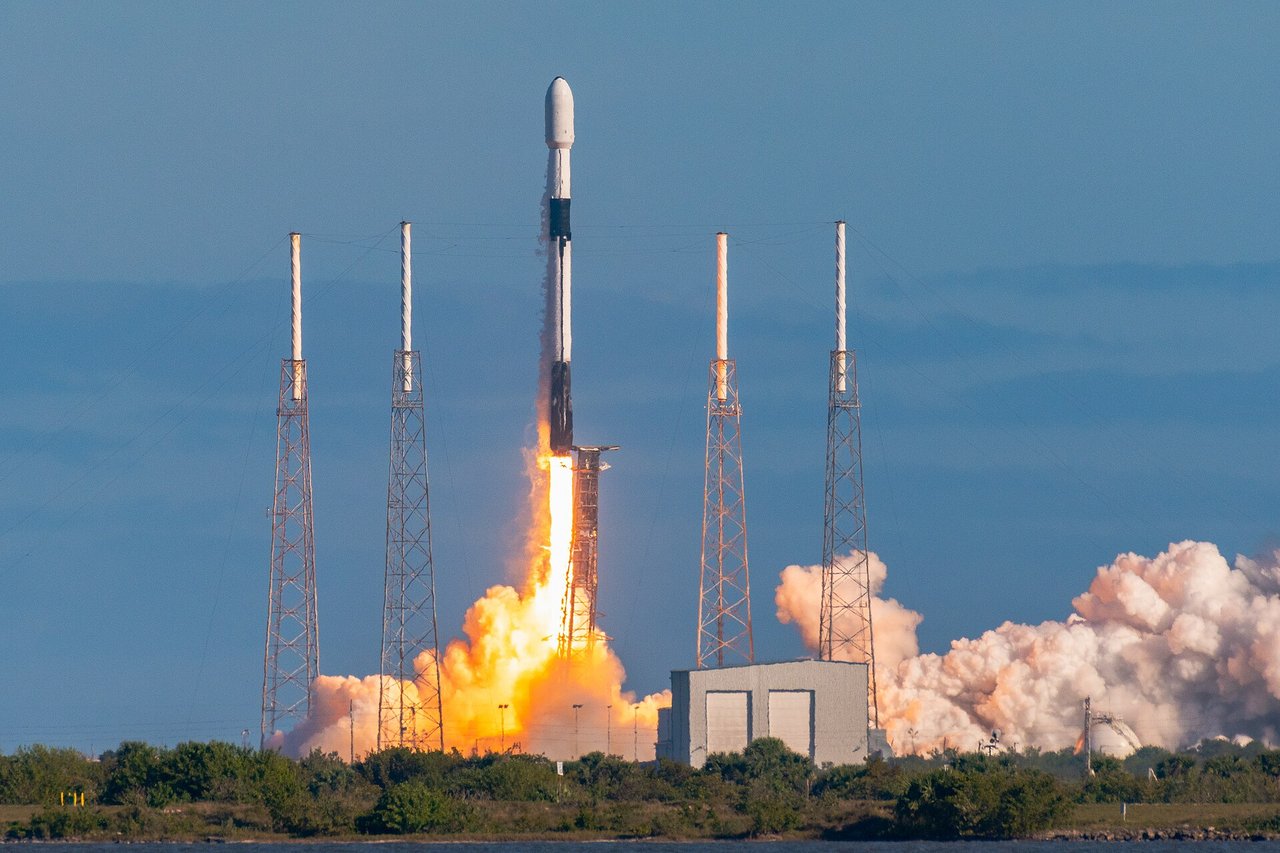
Can software be a space passenger?
YAM-6, launched in March 2024, supports virtual missions: customers deploy software using onboard cameras, radios, or computing resources, like renting a cloud server in orbit.
Software might filter imagery onboard and send only clear scenes or detected targets, saving communications capacity. It still requires rigorous testing to protect the spacecraft.
Did you know?
Rideshare launches let many satellites share a rocket and reach nearby planned orbits. Lower cost comes with the need to accept a common departure time and approximate destination.

.jpg)