Metop
Europe’s first operational polar weather satellite family complements NOAA’s afternoon-orbit satellites. Instruments such as IASI measure atmospheric temperature and humidity profiles for forecasts and climate monitoring.
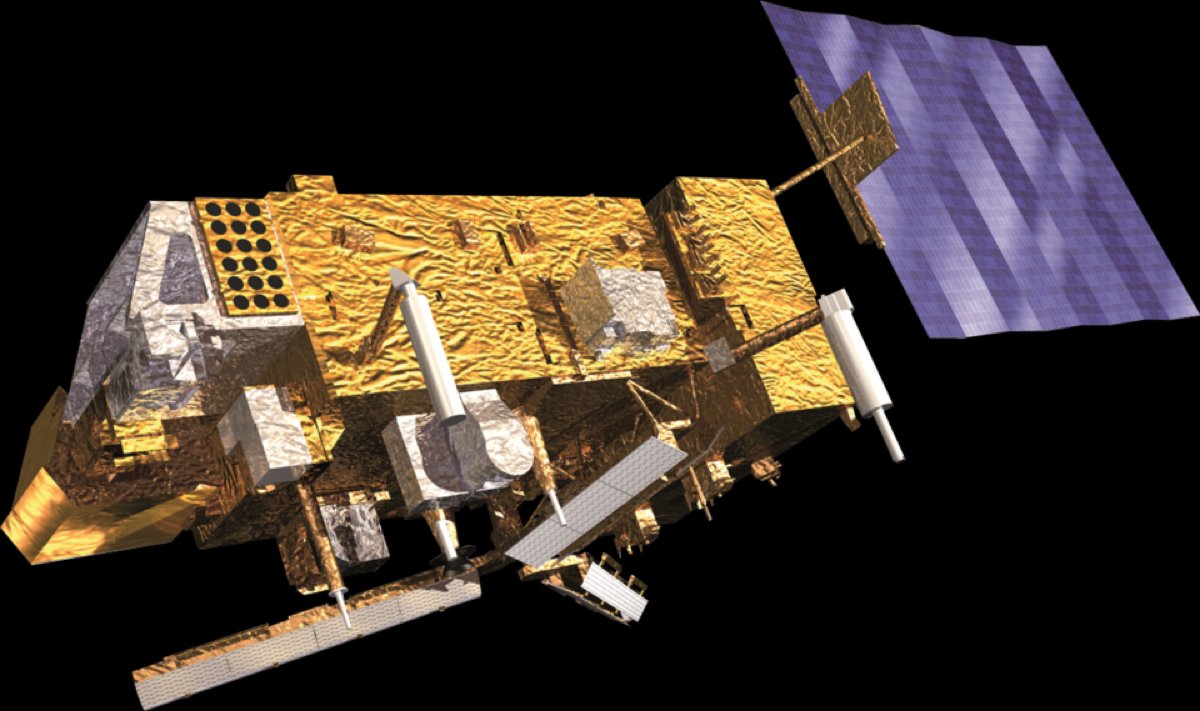
As you check the morning forecast, a European weather satellite may be passing near the poles to collect fresh data. It belongs to the Metop family.
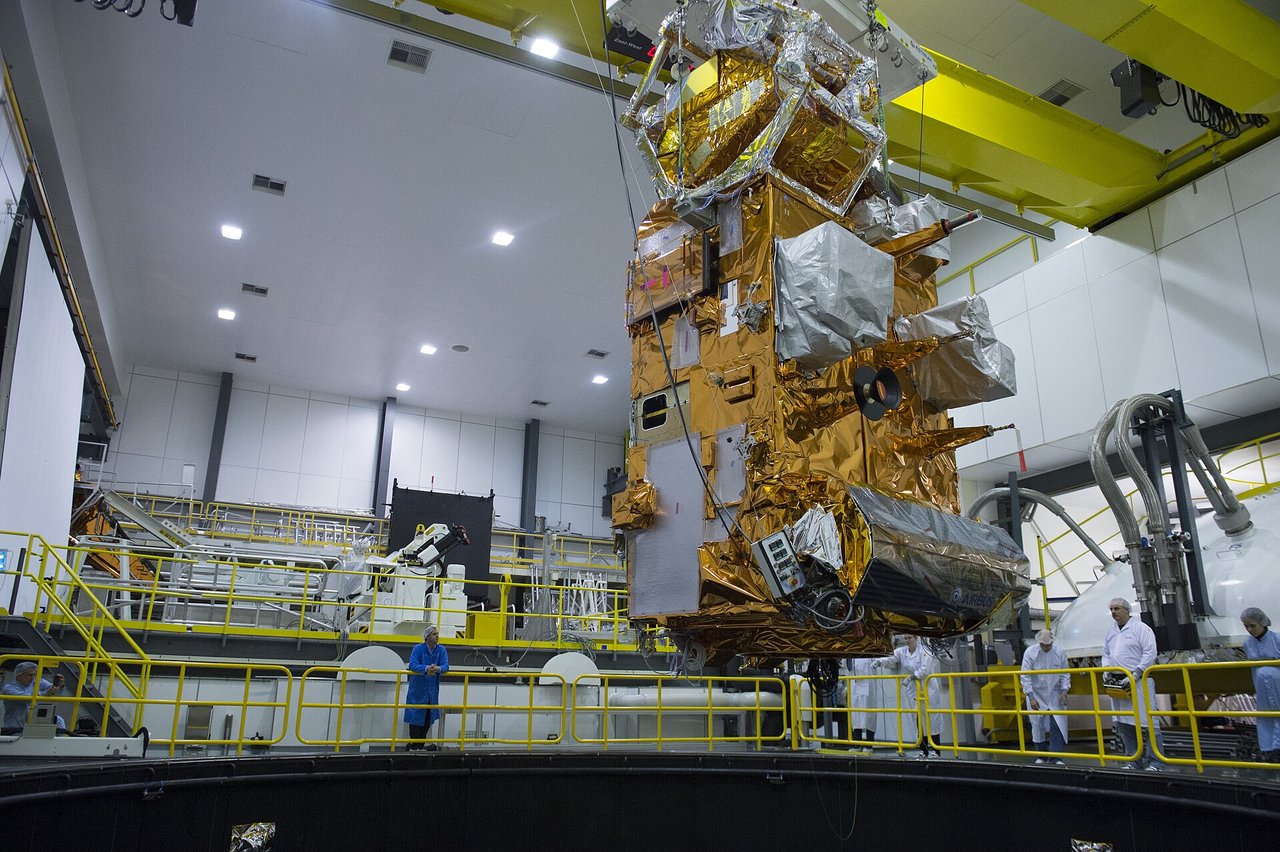
Metop means Meteorological Operational satellite. Developed by EUMETSAT and ESA, its first generation comprised Metop-A, B, and C, launched from 2006 into Sun-synchronous orbits around 817 km high.
Why does it pass in the morning?
Metop crosses the equator southward at about 9:30 a.m. local time. Some NOAA satellites pass in the afternoon. Together they form the Initial Joint Polar System (IJPS).
Metop-A launched on October 19, 2006 as Europe’s first operational polar weather satellite; B followed in 2012 and C on November 7, 2018. All three once worked together; A retired in 2021.
How does it scan the atmosphere in layers?
The IASI infrared interferometer analyzes atmospheric radiation to retrieve temperature and humidity profiles, somewhat like reconstructing internal layers in a medical scan.
Other instruments measure ocean winds, ozone, land and ocean imagery, and relay distress signals. High-latitude ground stations receive the data for processing and distribution to weather models.
Why are many weather satellites needed?
One polar satellite cannot watch a place continuously. Multiple spacecraft passing at different times, combined with continuous geostationary views, provide both global surveys and detailed regional monitoring.
Did you know?
First-generation Metop satellites were designed for about five years but generally lasted longer. The first second-generation satellite, Metop-SGA1, launched in August 2025 and is progressively bringing observations into service. Overlap allows calibration comparisons and preserves long-term records.