Shenzhou crewed spacecraft
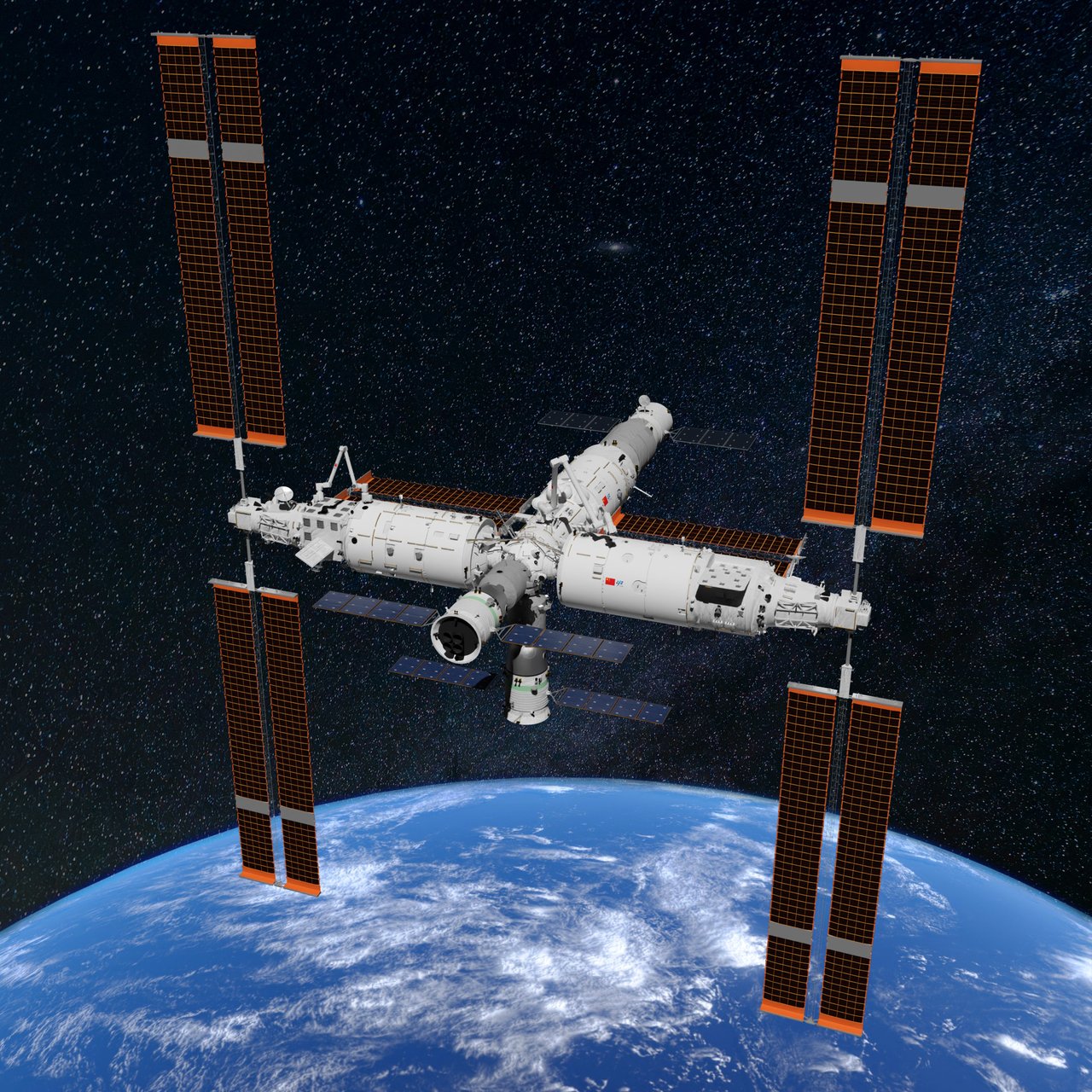
China’s dedicated crew transport first flew without a crew in 1999. Shenzhou 5 carried Yang Liwei on China’s first human spaceflight in 2003. The three-module spacecraft has regularly served Tiangong since Shenzhou 12.
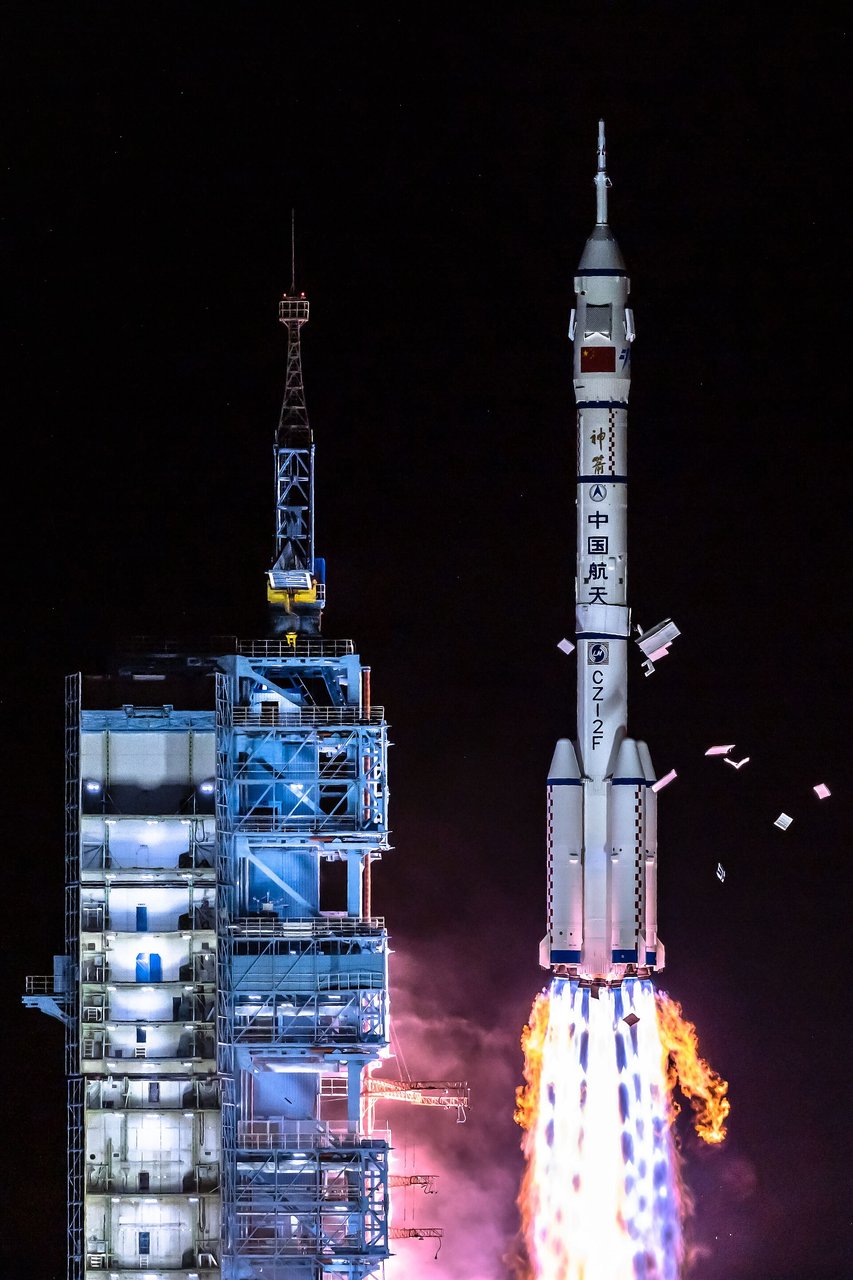
What carries astronauts from ignition to orbit? China’s Shenzhou transports crews to Tiangong and returns them and experiment samples safely to Earth.
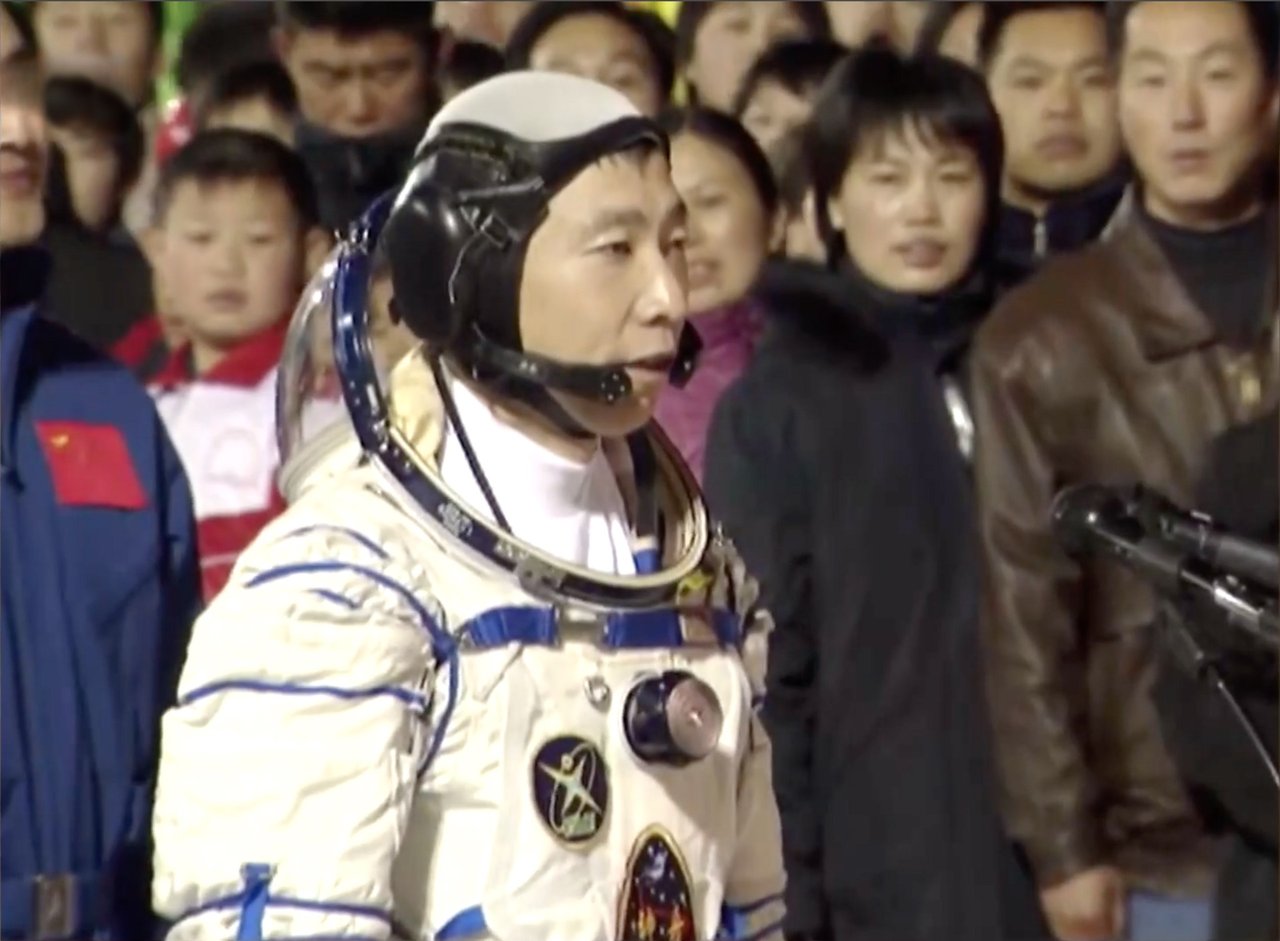
This crewed spacecraft launches on Long March 2F from Jiuquan. Shenzhou 1 flew uncrewed on November 20, 1999. On October 15, 2003, Shenzhou 5 carried Yang Liwei, making China the third country to independently achieve human spaceflight.
How do the three modules divide the work?
The orbital module adds living and working space, the descent module seats up to three astronauts and returns to Earth, and the propulsion module supplies power, thrust, and attitude control.
The bell-shaped descent capsule has thermal protection. During reentry, compressed air becomes extremely hot; the ablative shield decomposes and erodes to carry heat away.
How does it find Tiangong?
After reaching orbit, Shenzhou makes repeated maneuvers and uses sensors and automatic controls to rendezvous and dock. Although both vehicles move at kilometers per second, matching their orbits and velocities allows a slow relative approach.
Since Shenzhou 12 docked with Tianhe on June 17, 2021, the family has routinely rotated station crews. Stays usually last about six months before the descent capsule brings them home.
Why use a giant parachute?
Atmospheric drag alone does not slow the capsule enough. Its roughly 1,200-square-meter main parachute provides further braking, and small engines fire near the ground to soften impact. Recovery teams then locate the capsule and help the crew out.
What firsts has Shenzhou achieved?
Shenzhou 5 completed China’s first crewed flight; Shenzhou 7 enabled its first spacewalk; Shenzhou 12 began long-term occupation of China’s station. Asteroid 8256 was named Shenzhou in 2005.
Do space seeds become super-seeds?
Some missions carry seeds. Radiation and microgravity can produce mutations, but changes are not automatically useful or giant vegetables. Researchers must grow, select, and test many generations before deciding which traits to retain.