Soyuz crewed spacecraft
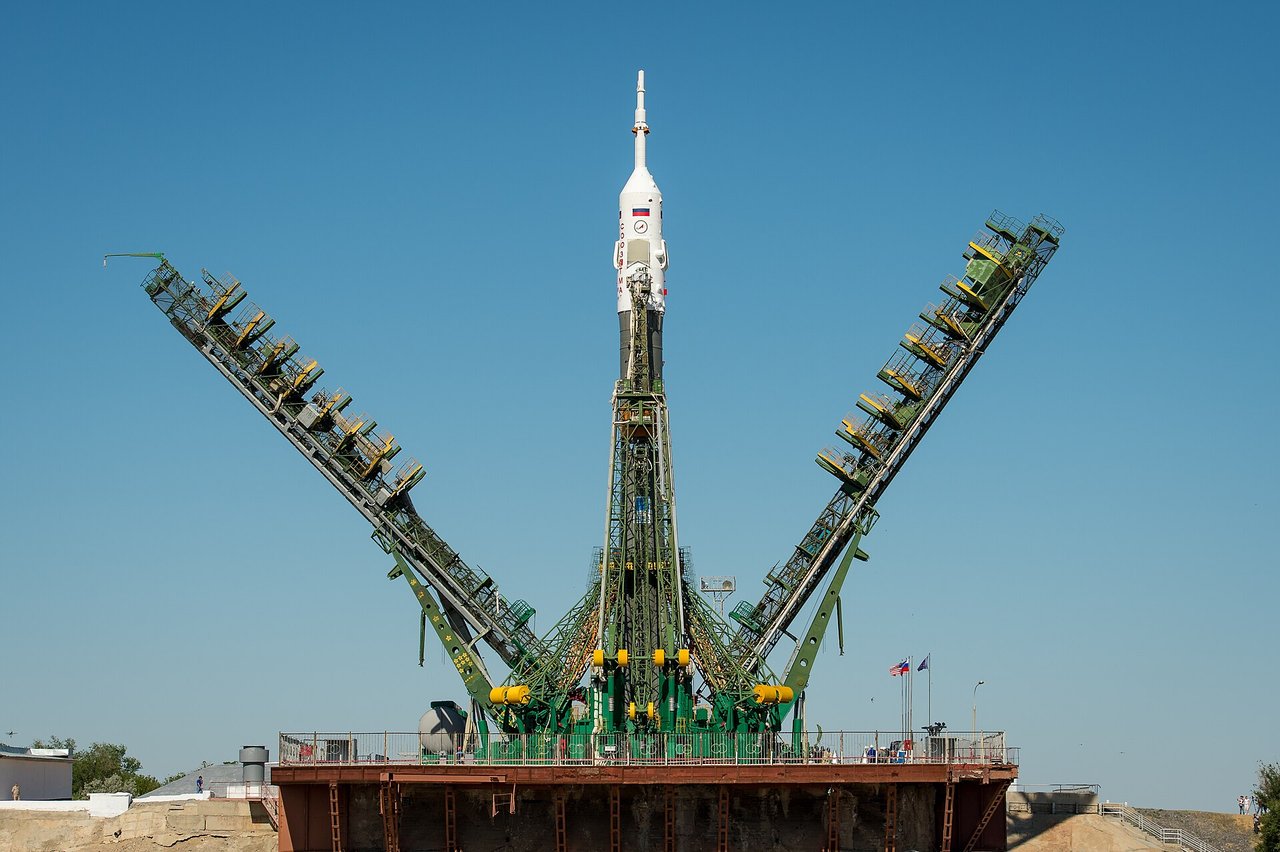
The world’s longest-serving crewed spacecraft first flew in 1967. It carries up to three people to and from the ISS and includes a launch escape system.
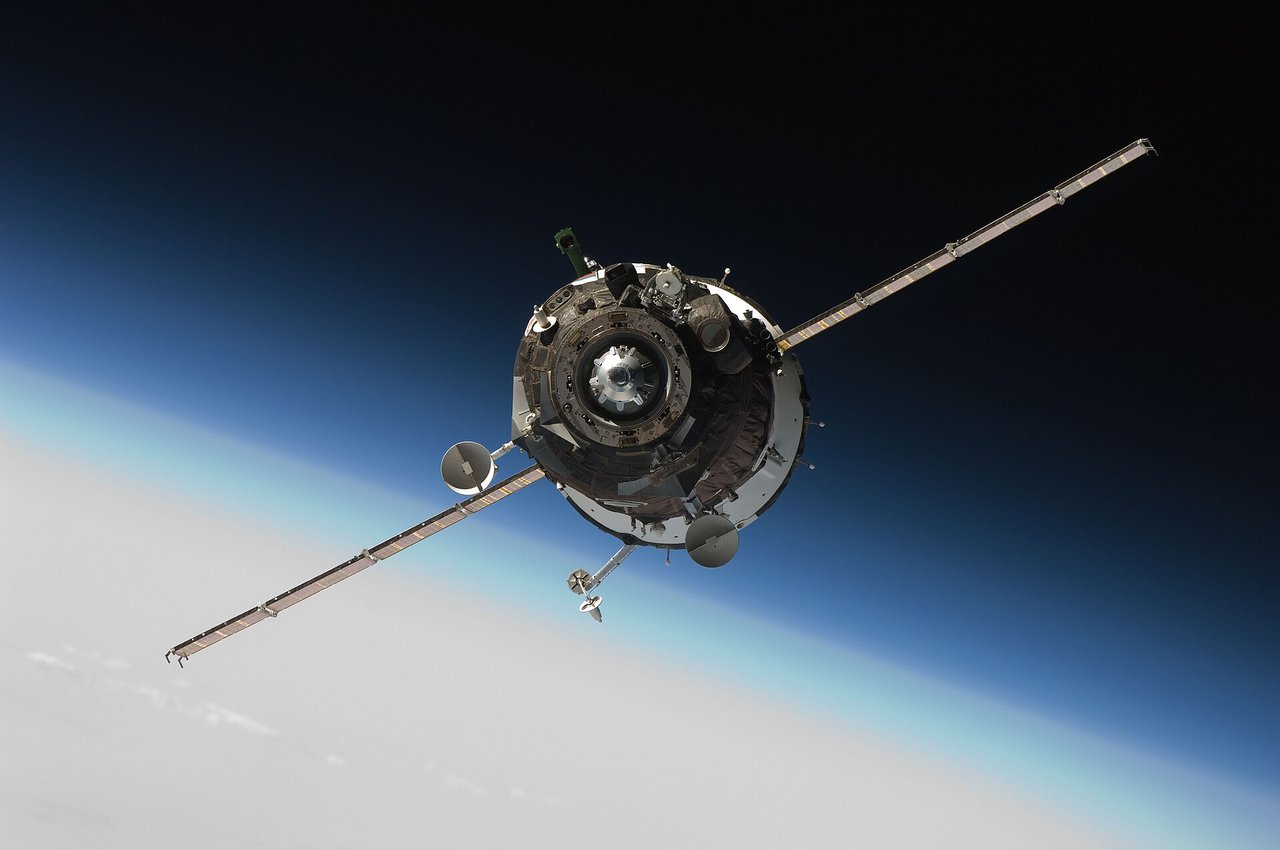
Three astronauts sit in a return capsule roughly the size of a small car’s cabin before launching into space. This has been routine for Soyuz for decades.
Soyuz, Russian for union, first flew in 1967 and is the world’s longest-serving crewed spacecraft family. Originally designed by the Soviet OKB-1 bureau and later developed by Russia, it still transports ISS crews.
What do its three modules do?
The spacecraft is about seven meters long. The front orbital module provides living and working space; the middle descent module seats three crew members and is the only part to return intact; the rear service module carries engines, solar panels, and equipment.
Only the crew capsule needs the heaviest reentry protection. The other modules are discarded before reentry, reducing the mass of heat shielding.
Why does one stay at the station?
After delivery, Soyuz remains docked as a lifeboat for emergencies. Between shuttle retirement in 2011 and Crew Dragon service in 2020, it was the only crewed transport route to and from the ISS.
Is the return comfortable?
Not especially. Reentry produces significant acceleration, then parachutes lower the capsule toward the Kazakh steppe. Small engines fire just above the ground to cushion touchdown, but landing can still feel like a heavy impact.
How did early accidents change the design?
Soyuz 1 crashed after a parachute failure in 1967; Soyuz 11 lost cabin pressure before reentry in 1971. Later missions strengthened parachute, sealing, and crew-protection requirements, including pressure suits during critical phases.
Has the launch escape system saved lives?
Yes. In 1983, it pulled the Soyuz T-10-1 crew away from a burning rocket on the pad. Emergency systems also returned the Soyuz MS-10 crew safely after a launch anomaly in 2018. The escape system is an emergency lifeline everyone hopes never to need.
Did you know?
Soyuz’s layout inspired Progress, which removes crew and return equipment to carry cargo instead.