Space stations
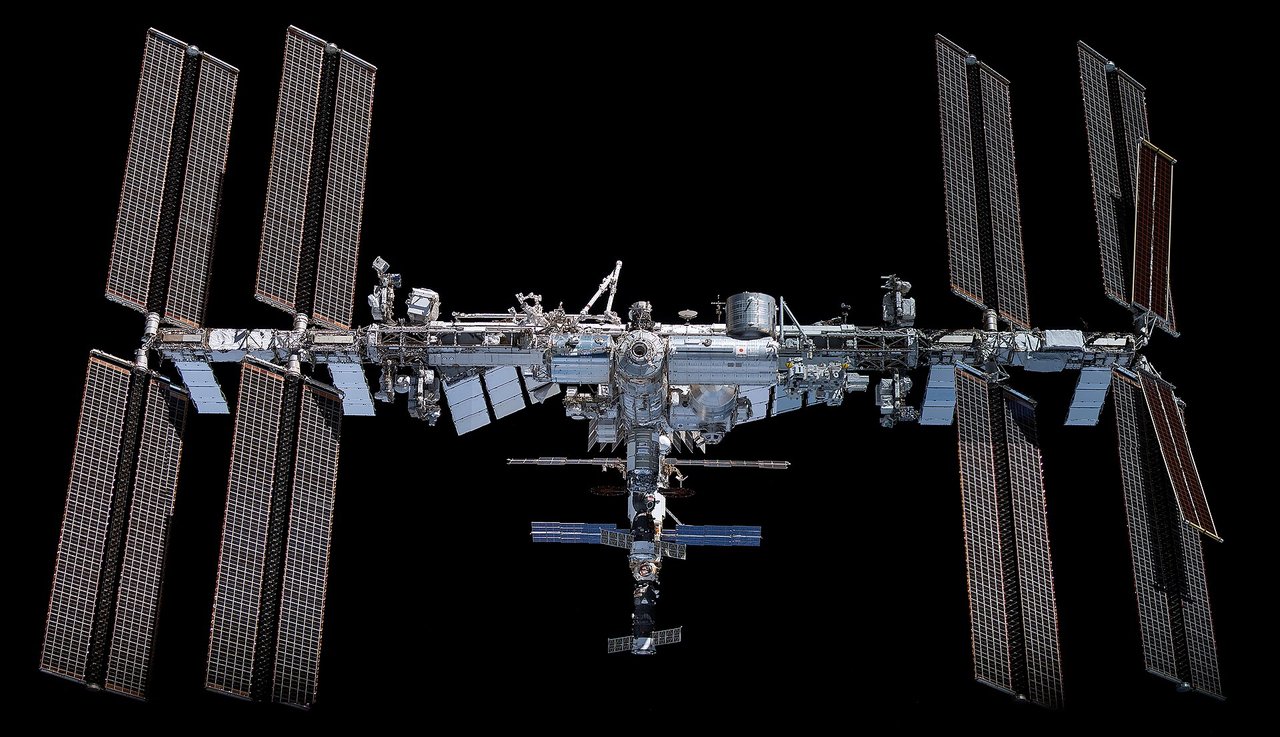
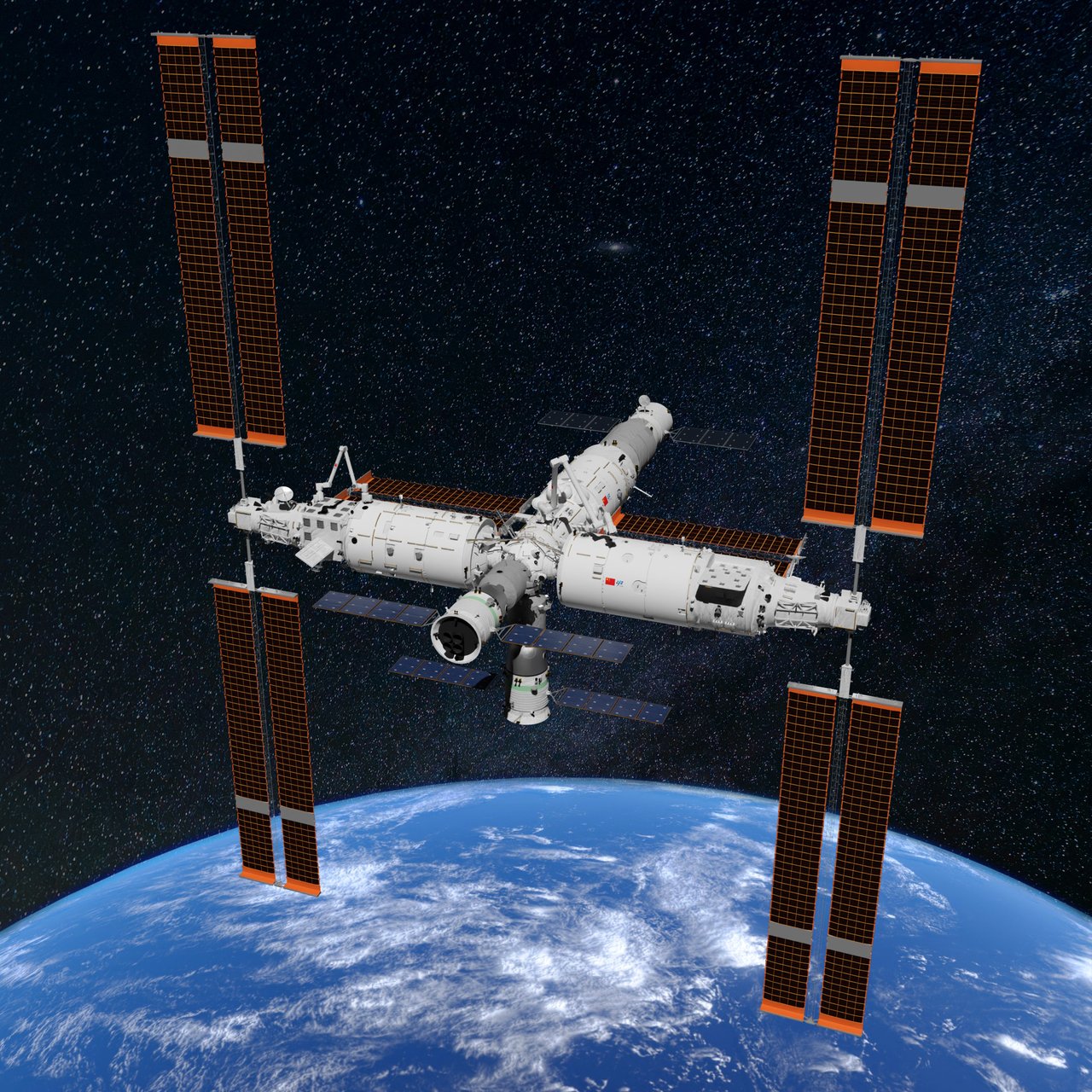
Orbital laboratories allow people to live in space for extended periods. From Salyut 1 in 1971 to today’s ISS and Tiangong, they rely on visiting supply spacecraft and are among the brightest artificial objects in the night sky.
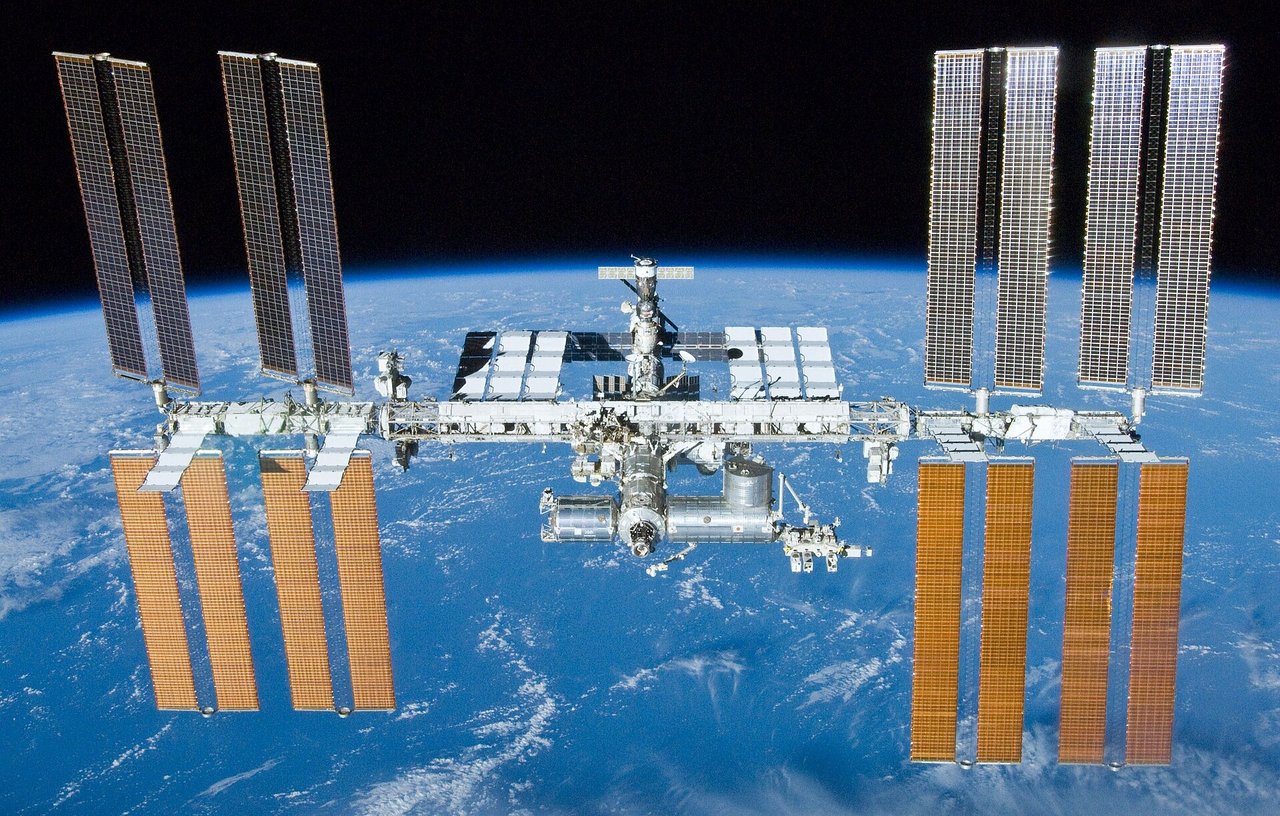
If spacecraft are cars traveling to space, a space station is a dormitory and laboratory that stays open. Astronauts live there for months, while supply craft bring food, water, and equipment. Today’s two long-term stations are the International Space Station (ISS) and China’s Tiangong.
From Salyut to Tiangong
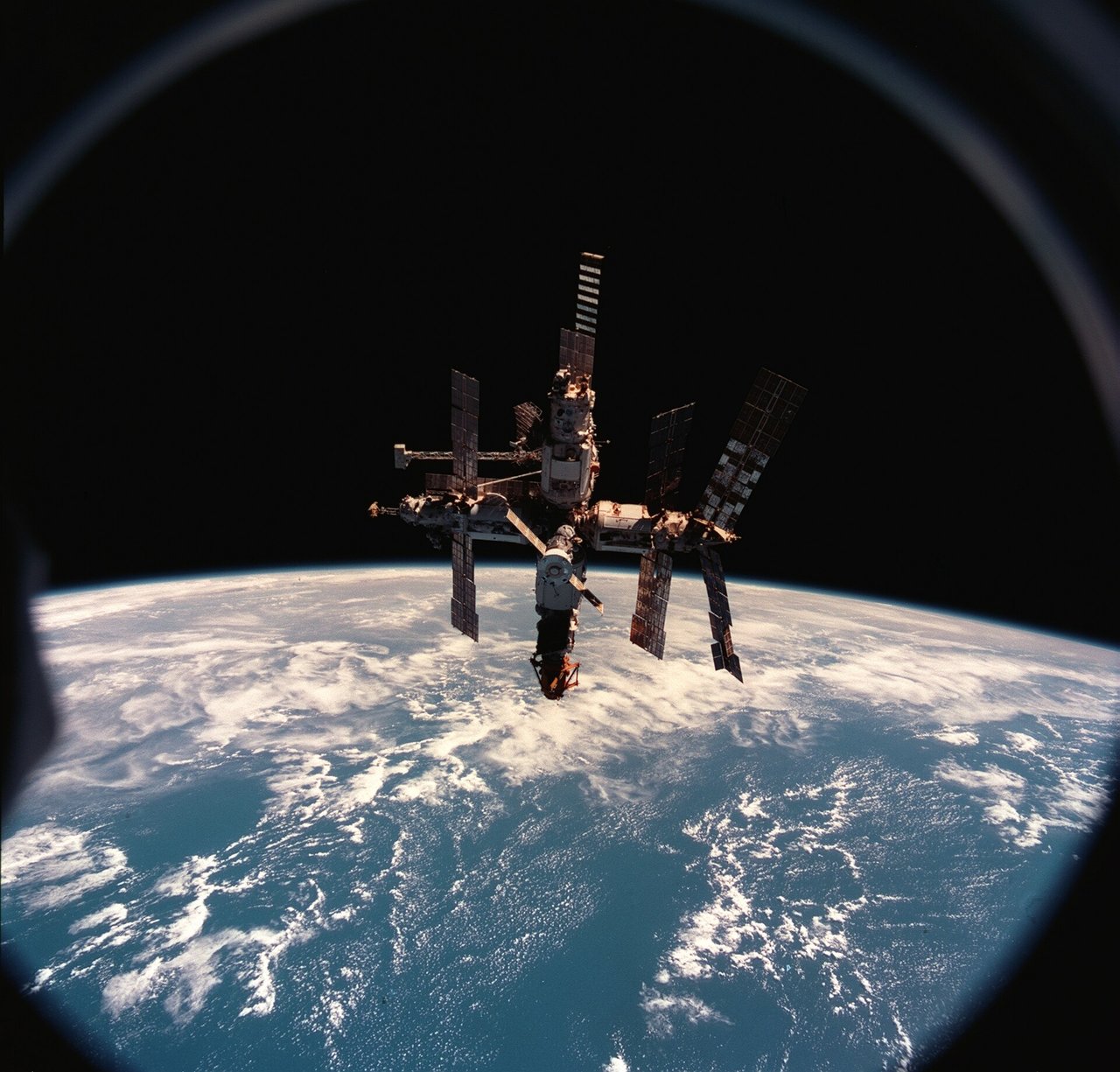
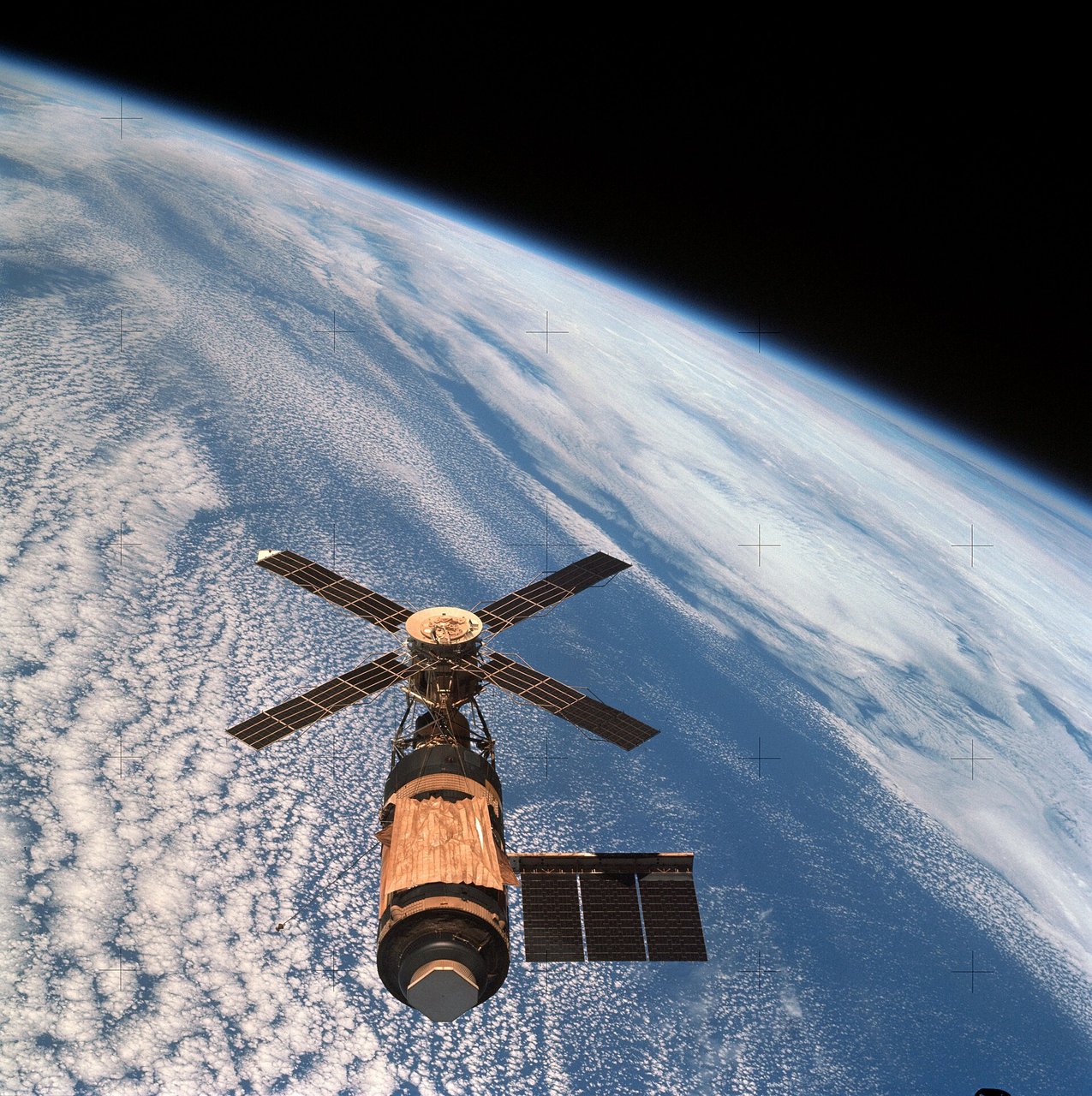
The Soviet Union launched the first station, Salyut 1, in April 1971. The United States followed with Skylab in 1973. Mir, launched in 1986, added modules like building blocks and operated for 15 years.
ISS assembly began in 1998. China launched Tianhe in 2021 and completed Tiangong’s basic three-module configuration in 2022. It took more than half a century to develop today’s long-term orbital bases from simple single modules.
What are they used for?
Their microgravity environment is especially valuable. Flames become almost spherical and droplets form floating balls, allowing studies of materials, fluids, plants, and the human body.
What do people in space eat? Spacecraft deliver supplies. Soyuz, Crew Dragon, and Shenzhou carry people; Progress, Cargo Dragon, and Tianzhou carry cargo. They must catch the station at high speed and dock precisely—a far greater challenge than parking a car.
Why can we see them without a telescope?
The ISS’s large structure and solar arrays reflect sunlight strongly. After sunset or before sunrise, the ground may be dark while the station remains illuminated. It then looks like a fast-moving bright star, sometimes visible even from a city.
Did you know?
A station circles Earth in about 90 minutes, producing roughly 16 sunrises and sunsets daily. Astronauts keep regular schedules so these unusually frequent sunrises do not disrupt their body clocks.