Tianzhou cargo spacecraft
China’s uncrewed supply craft for Tiangong first flew in 2017. It delivers cargo and propellant and can complete an autonomous fast rendezvous and docking in about three hours.
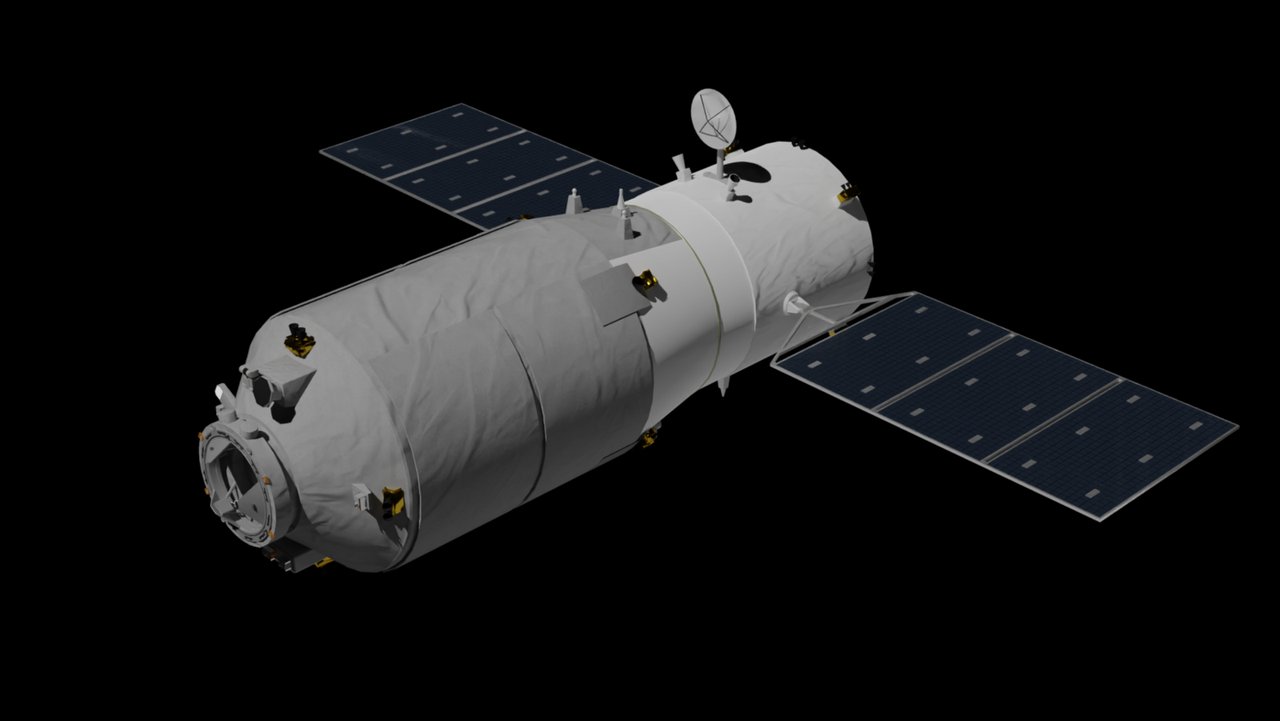
Where do Tiangong’s food, water, and experiments come from? Tianzhou is the uncrewed spacecraft dedicated to cargo and propellant deliveries.
Tianzhou 1 launched from Wenchang on a Long March 7 on April 20, 2017. It docked with Tiangong 2 and performed China’s first in-orbit propellant transfer. Later craft have supplied Tiangong throughout construction and operation.
What is inside?
The cargo compartment holds food, clothing, household supplies, experiments, and spare parts. The propulsion section carries fuel and uses solar arrays for electricity. Some propellant can be transferred to the station.
Autonomous rendezvous repeatedly measures distance and speed, adjusts the orbit, and brings docking ports gently together while both vehicles travel at orbital speed.
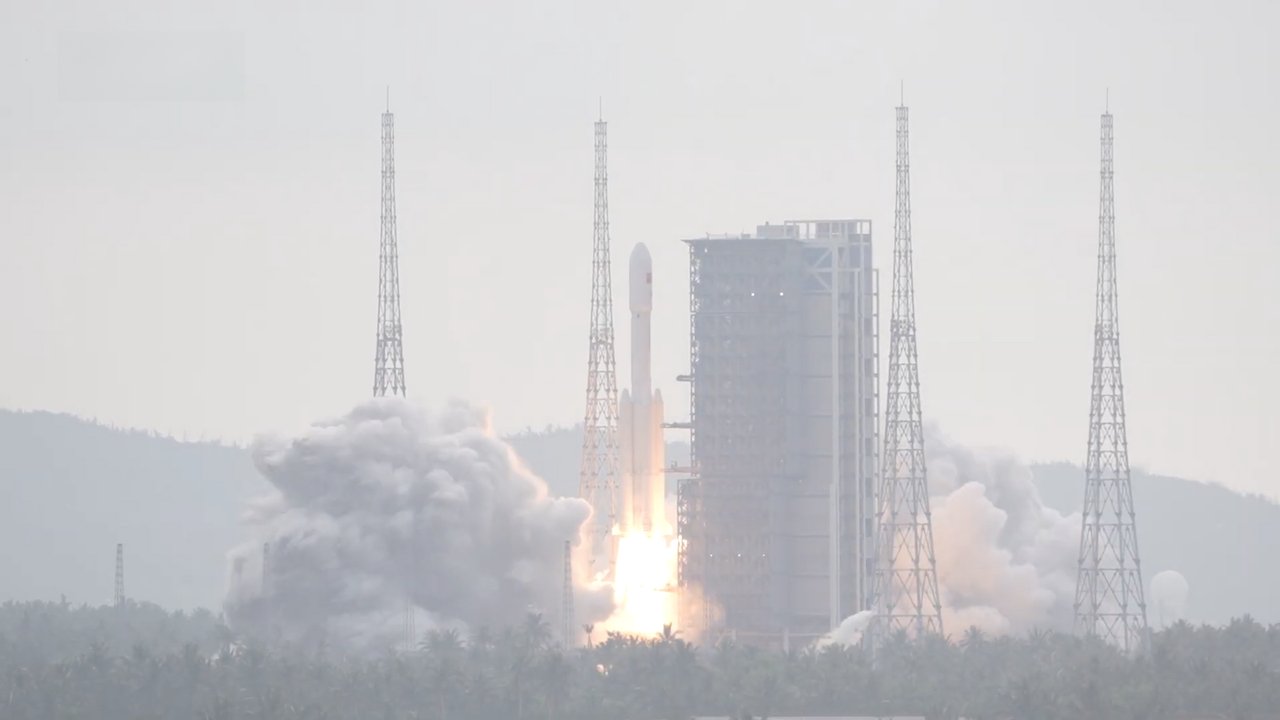
Why does a delivery take hours but preparation take so long?
Fast rendezvous can reduce orbit-to-docking time to a few hours, but cargo must be planned, packed, and restrained in advance. The spacecraft and rocket also need extensive testing. The short delivery is only the final leg.
Can astronauts receive fresh fruit?
Yes. Tianzhou carries selected fresh produce, holiday foods, and personal parcels when storage conditions permit. Every item must meet weight, shelf-life, and safety requirements; liquids and crumbs need secure packaging in microgravity.
What happens afterward?
Astronauts load waste, old clothing, and obsolete equipment. Tianzhou then performs a controlled reentry: most burns up, with remnants directed toward a designated uninhabited ocean area rather than remaining as orbital debris.
Later vehicles improved capacity and layout. Tianzhou 6, launched in 2023, began a new batch with more pressurized cargo volume. Tianzhou 9 launched in July 2025 with further supplies.
Did you know?
Expendable does not mean discarded carelessly. Departure timing and impact areas are planned precisely, and each mission’s cargo list reflects crew, experiment, and maintenance needs.